Fat Loss & Body Composition
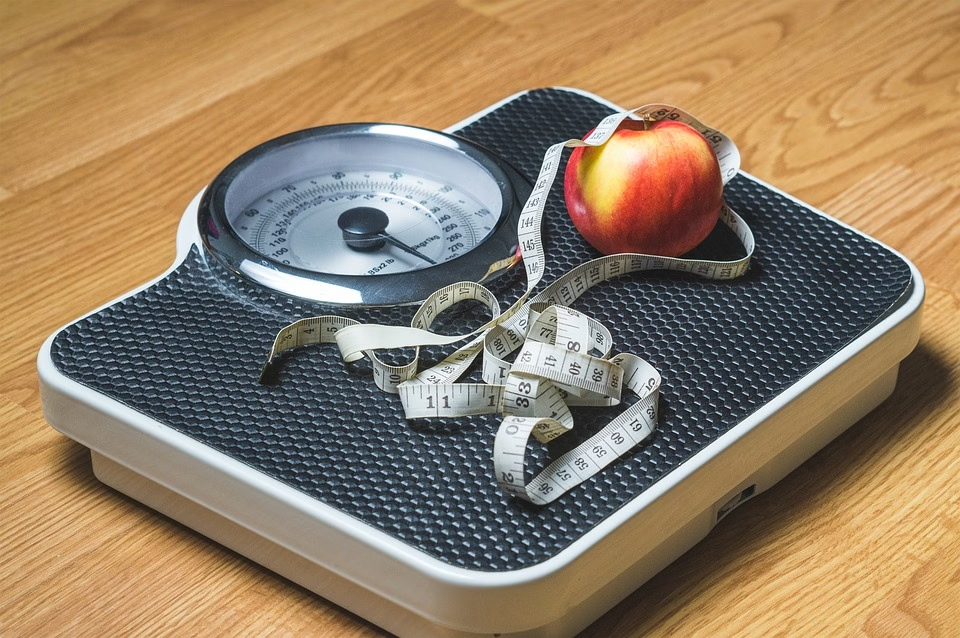
Strength training for weight loss is rapidly gaining popularity as more people discover how lifting weights increases lean muscle mass while burning fat.
Looking for a reliable method of weight loss is one of the main reasons many people take up weightlifting as part of their health and fitness routine. Adding resistance exercises to your health and fitness routine is a reliable way to transform your physique.
Weightlifting is one of the very best ways to lose weight in the long run because it changes the makeup of the body.
Training with weights isn’t exclusive to bulking up, bodybuilding or powerlifting. Resistance training means achieving a steady, healthy reduction in body fat while sculpting a stronger, more resilient body.
By prioritising lean muscle growth, weightlifting alters your overall body composition. It shifts the focus from numbers on a scale to how you actually look and feel.
Header image: Pixabay
Cardio vs. Strength Training: Why Cardio Alone Falls Short
While long cardio sessions burn calories rapidly and show quick results on the scale, relying solely on cardiovascular exercise is not an effective long-term strategy for fat loss.
Cardio helps you lose weight, but a significant portion of that loss comes from breaking down your hard-earned muscle tissue.
In contrast, weightlifting protects your muscle while targeting fat reserves. Replacing inactive fat tissue with active, lean muscle ensures you achieve authentic fat loss rather than generic weight loss.
The more muscle you have, the more fat you burn at rest. Simply by adding an extra pound of muscle you will burn much more fat during your everyday activities.
The weight of the fat lost will be much greater than the small weight of the muscle gained.
When you use strength training for weight loss, you are, in this way, replacing the fat with useful, lean muscle. This is the difference – using resistance training for weight loss results in fat loss, not just weight loss.
The Power of Your Resting Metabolic Rate
The key benefit of building muscle for fat loss comes down to your metabolism. The more muscle mass you carry, the more calories your body naturally burns at rest.
Simply by adding an extra pound of lean muscle, you elevate your daily calorie burn during ordinary everyday activities.
Because muscle tissue is highly active, it uses up energy even while you are sitting down watching television or sleeping.
The Math of Fat Loss: Calories In vs. Calories Out
Weight loss relies on a caloric deficit, that is, burning more calories than you consume. If you simply reduce your food intake, you will lose weight. If you restrict your calories and add intense cardio, you will lose weight faster, but your body will sacrifice muscle mass to survive.
Adding resistance training to your caloric deficit changes the game completely. It guarantees muscle maintenance, and you can even increase your muscle mass. This will reduce your body fat percentage.
Weightlifting gets results not by dynamically burning fat as fuel during the workout itself, but by turning your body into an efficient, round-the-clock calorie-burning machine.
How Your Body Uses Fuel During Exercise
Cardio exercise primarily burns glycogen and fat as a fuel source. By running, swimming, cycling, or another form of cardio exercise, your body will tap into your fat reserves as an energy source after depleting the carbohydrates in your system (which starts after about 20 minutes of continuous movement).
However, because cardio doesn’t effectively build new muscle, your body is left unprotected against fat regain the moment you ease off your training intensity. This is why cardio for weight loss is not an effective long-term strategy.
A higher quantity of lean muscle requires more baseline energy just to exist.
It is also vital to remember that muscle is denser than fat. As your body composition improves, you might weigh more on the scale. But you will look leaner and thinner. The fit of your clothes is a much better judge of your progress than the number on the scales.

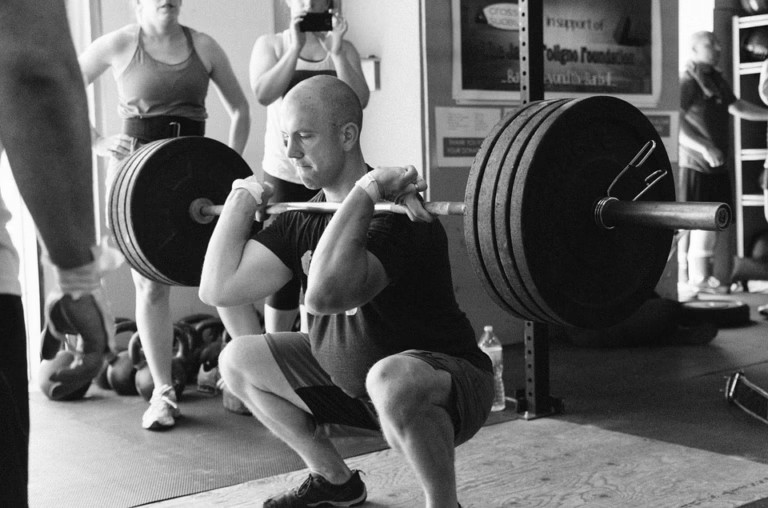
Deadlift. Images sourced via Pixabay
How to Get Started with Strength Training in the Gym or at Home
The difference between losing fat and losing weight is huge. You can lose weight but still be flabby and untoned. Strength training for weight loss ensures you lose the excess weight without losing muscle. This is the healthiest way to lose weight.
On a purely aesthetic level, losing weight through cardio alone might help you look decent in your clothes. Rebalancing your body composition with strength training ensures you look toned, firm and healthy in and out of your clothes!
Resistance training for weight loss is the only way to go if you want to keep the fat off and look and feel great long term.
Building long-lasting muscle creates a permanent fat-burning solution that keeps the weight off for good. For the absolute best results, integrate both strength training and cardio into your weekly routine on separate days.
Best of all, you don’t even need a gym membership to enjoy these benefits. You can easily start at home with zero equipment by using progressive bodyweight exercises like squats, push-ups and lunges.
Pick Your Progression
Boost Your Metabolism: Explore how resistance training reshapes your metabolic rate and bone density in our article Why Lift Weights?
Protect Your Progress: Ensure you stay injury-free by reviewing our comprehensive Injury Prevention and Safety Guide.
Fuel the Burn: Don’t let a bad diet undo your hard work in the gym. Learn about macronutrients and essential micronutrients in our Nutrition and Fueling Guide.
💬 Share Your Thoughts on Weight Loss & Body Composition
We want to hear from you! Drop a comment below to share your journey and chat with the community:
- Has relying purely on cardio ever left you feeling burned out or untoned?
- What was your biggest surprise when you shifted your focus from the scale to how your clothes fit?
- Do you prefer the energy of a busy gym or the convenience of a home bodyweight routine?
- Which specific strength exercises have given you the best physical results?





Leave a Reply