Sleep and Recovery

Sleep and recovery are vitally important to any successful strength training programme. In order to perform at your absolute best during your workouts, it is crucial that your body and mind are thoroughly well-rested.
This is because your muscles need quality sleep to repair themselves from the structural damage caused by intense training, which is the exact process that allows them to grow bigger, thicker and stronger.
The importance of getting deep, high-quality sleep cannot be overestimated if you want to sustainably improve your health, strength and overall fitness.
Why Muscles Need Sleep
When you are pushing your limits in the gym, you are only doing half the work required for physical progress. True muscle recovery sleep acts as the ultimate natural anabolic state for your body.
Without a consistent sleep schedule for muscle growth, your body remains in a catabolic state, meaning it actively breaks down tissue rather than building it.
To enjoy maximum strength training recovery, prioritising high-quality rest is just as critical as tracking your daily protein intake.
In fact, your muscles grow and strengthen not while lifting at the gym, but afterwards, while you are at rest and during your sleep.
This is why it is so important that you get you get preferably eight hours a night. If you don’t sleep long or well enough, you cannot benefit properly from your workout and your muscles will not be able to develop as effectively.
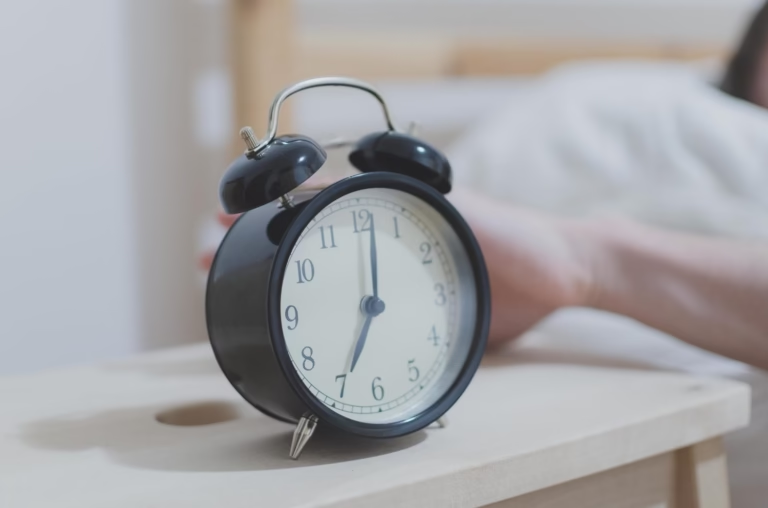
Header image: Pixabay
How Does Sleep Benefit Muscle Growth?
When you lift weights, microscopic tears appear in your muscle fibres. Then when you eat, protein is used by the body to repair the tears.
However, it is not until you are at rest for a reasonably long time in one stretch that the real repairs are made and your muscles’ tissues are fully restored and strengthened. This is why the majority of muscular gains occur while we are asleep.
If we have a disturbed night or sleep for less time than normal, it is likely the body’s repair mechanism will not work as well. Not only will you feel tired the next day, you will not benefit as strongly from your previous workout.
Good sleep doesn’t just help your muscles recover. It also directly affects your performance. When you are well-rested, your reaction times are faster, your coordination is sharper, and you are more motivated to push harder.
Sleep deprivation, on the other hand, makes you feel weaker, lowers endurance, and increases your risk of injury.
Sleep Cycles and Recovery
Not all sleep is the same when it comes to muscle recovery. Deep sleep, also known as slow-wave sleep, is the stage where the body carries out the majority of repair and regeneration.
Deep sleep is when blood flow to the muscles increases, delivering oxygen and nutrients that aid in rebuilding damaged fibres.
REM sleep, on the other hand, is important for restoring mental focus and coordination, which helps you perform better in your next training session.
Missing out on either of these stages means your body won’t repair as efficiently, even if you spend enough time in bed.
If your mind is racing or your muscles feel rigid when you get into bed, your nervous system is likely still running on high alert. One of the most effective, pill-free ways to improve sleep efficiency is a 5-minute evening mobility routine.
Holding gentle, passive positions signals to your brain that it is safe to relax. If you struggle to wind down at night, try incorporating the calming movements found in our Floor Post-Workout Stretching Guide.
Sleep and Protein Synthesis
Protein synthesis is a process where your body turns dietary protein into new muscle tissue. This happens most efficiently while you are asleep. When you don’t get enough sleep, this process slows down.
Studies have shown that people who consistently get less than six hours of sleep per night may even struggle to maintain their existing muscle mass, especially if they are training hard.
In other words, sleep is just as important as your post-workout nutrition.
Growth Hormone and Sleep
During sleep, growth hormones are released to stimulate your body to repair its cells. During this time, your muscles are stimulated to grow to keep up with the strain you are putting them under in your workouts.
When you eat, your blood sugar level rises. This effect is especially pronounced with carbohydrates. To combat this, your body releases insulin.
Because insulin interferes with the release of growth hormone, it is best not to eat anything too rich in carbohydrates just before going to bed.
Hormones in Muscle Growth
Beyond growth hormone, other body chemicals are also affected by your rest cycles. Testosterone, which plays a key role in building muscle, is produced in higher amounts during deep sleep.
A lack of sleep leads to lower testosterone levels, reducing your potential for strength and size gains.
Cortisol, the stress hormone, also rises when you are sleep-deprived. Elevated cortisol levels break down muscle tissue and can actively undo the progress you’ve made in the gym.
Getting enough rest helps keep these hormones in balance so your body can stay in a muscle-building state.
Practical Sleep Tips for Better Recovery
Optimising your sleep environment is just as important as clocking the total hours. If you want to improve your sleep quality tonight, try these quick adjustments:
Time your training: Avoid lifting weights or doing heavy workouts within 2 to 3 hours of your bedtime. Pushing your body hard right before bed spikes your adrenaline and raises your core temperature, making it difficult for your nervous system to wind down.
Drop the temperature: Keep your bedroom cool, ideally around 16–18°C. Your body temperature needs to drop slightly to initiate deep, restorative sleep.
Ditch the blue light: Avoid looking at phones, tablets or TV screens for at least 45 minutes before bed. Blue light tricks your brain into thinking it’s still daytime, blocking the release of your natural sleep hormone, melatonin.
Ditch late-night caffeine: Avoid heavy caffeine intake within six hours of your bedtime. Even if you can fall asleep with caffeine in your system, it disrupts your deep sleep cycles.
Keep a strict schedule: Try to wake up and go to bed at roughly the same time every day, even on weekends. A consistent routine locks in your body’s internal clock, making it easier to fall asleep naturally.
If you apply these bedtime tips, keep working out sensibly, eat well and rest properly, you’ll always wake up stronger!
Next Steps: Pick Your Progression
Win the Morning: Now that you know how to master your recovery sleep, learn how to carry that energy into your next morning routine by reading our guide on How to Get Up Early and Feel Great.
Feeling Restless? Targeted gentle movements can help quiet your nervous system before your head hits the pillow. Read our guide on calming Floor Stretches.
Hydrate for Repair: True recovery doesn’t stop at sleep. Discover how rebalancing your fluid levels overnight prevents morning muscle cramps in our Hydration and Electrolytes Guide.
💬 Share Your Thoughts: Sleep & Strength
We want to hear about your recovery routine! Drop a comment below to share your experiences with the community:
- Your Sleep Sweet Spot: How many hours of quality sleep do you personally need to hit a personal best in the gym?
- Training Under the Weather: Have you ever tried to lift heavy after a terrible night’s sleep? What happened to your strength levels?
- Late-Night Training: What is your ultimate tip for winding down your mind and body after a late-night workout?
- Better Sleep Habits: Do you have any tips or strategies for getting a better night’s sleep in general? What has worked best for you?





Leave a Reply