
Last Updated on October 24, 2026
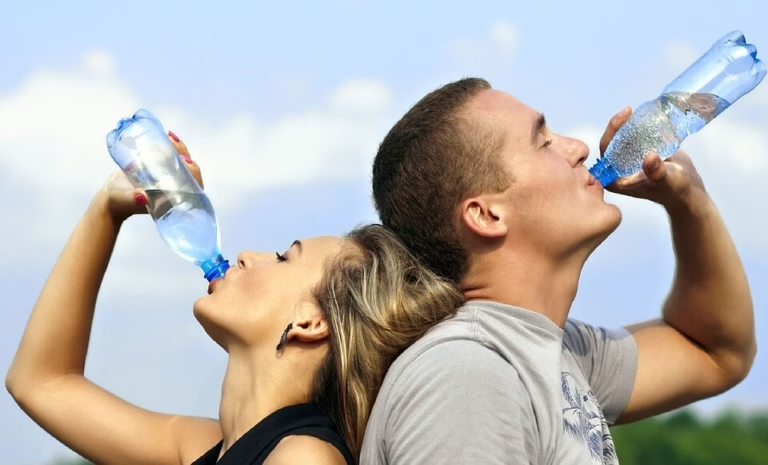
Hydration is an important part of any fitness routine, but it’s not just about drinking water. To optimise performance and recovery, maintaining the right balance of electrolytes is equally as important as staying hydrated.
What Are Electrolytes?
Electrolytes are essential minerals that regulate fluid balance, nerve function and muscle contractions. They carry an electric charge, which is essential for various bodily functions. The most common electrolytes are:
- Sodium
- Potassium
- Calcium
- Magnesium
- Chloride
- Phosphate
- Bicarbonate
What Do Electrolytes Do?
Electrolytes play several roles in maintaining your body’s functions:
1. Fluid Balance and Hydration
Electrolytes help maintain the balance of fluids in your body’s cells, tissues and organs. When you sweat you lose electrolytes along with water.
2. Muscle Function
Electrolytes are involved in muscle contractions. Without enough electrolytes, your muscles cannot contract and relax properly, leading to issues like cramps.
3. Nerve Function
Electrolytes help with the transmission of electrical signals between your brain, spinal cord and muscles. An electrolyte imbalance can lead to nerve disruptions, causing dizziness, confusion or muscle spasms.
4. Acid-Base Balance
Electrolytes help regulate your body’s pH levels, maintaining a balance between acidity and alkalinity. This is important for keeping your blood and tissues at the right levels.
Benefits of Electrolytes in Strength Training
Improved muscle function: Helps prevent muscle cramps and supports muscle contractions during lifts.
Better hydration: Proper hydration with electrolytes helps your muscles perform at their best.
Faster recovery: Replenishing electrolytes after workouts reduces fatigue and speeds up muscle repair.
Increased endurance: Balanced electrolytes help sustain the body through long or intense training sessions.
What Happens When Electrolyte Levels Are Imbalanced?
Electrolyte levels that are either too high or too low can cause problems. Here’s what to watch out for:
Signs of Low Electrolytes (Hypo-electrolytemia):
- Muscle cramps or spasms
- Weakness or fatigue
- Dizziness or lightheadedness
- Headache
- Nausea
- Irregular heartbeats
Low electrolyte levels can damage your performance in strength training. Muscle cramps are common during lifts and can disrupt your workout, while dehydration from low electrolytes can lead to weaker muscles and slower recovery times.
Signs of High Electrolytes (Hyper-electrolytemia)
- Swelling or bloating
- High blood pressure
- Kidney issues
- Confusion or lethargy
- Fatigue
- Shortness of breath
Although electrolyte imbalance due to low levels is more common, too much of certain electrolytes (particularly sodium) can lead to fluid retention, increasing the risk of high blood pressure and strain on kidneys. It’s important to be careful when taking supplements to ensure the right levels and to avoid over-supplementing.
How to Replenish Electrolytes Naturally
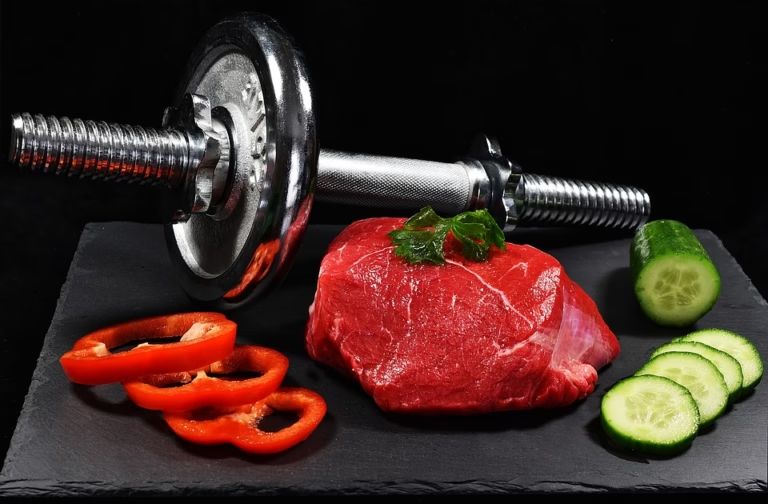
You can restore electrolytes with food and drink. Here’s a list of some of the best foods to help maintain a good balance of electrolytes:
Sodium
- Salted nuts, Olives, Soups, Eggs, Anchovies, Pickled foods (e.g kimchi, gherkins)
Potassium
- Bananas, Sweet potatoes, Spinach, Nuts, Avocados, Apricots, Dried fruit, Coconut water, Leafy greens
Magnesium
- Dark chocolate, Almonds, Spinach, Pumpkin seeds, Legumes, Wholegrains, Nuts
Calcium
- Dairy products (e.g. milk, cheese, yogurt), Leafy greens (e.g. kale, broccoli), Nuts, Fortified plant-based milk, Tofu, Canned fish with bones (e.g. sardines)
- Note that the body needs adequate amounts of Vitamin D to absorb calcium effectively
Chloride
- Table salt, Seaweed, Tomatoes, Lettuce
Phosphate
- Dairy, Beans, Meat, Seafood
Note that bicarbonate is produced naturally by the kidneys, so we don’t need to replace this electrolyte with our diet.
Electrolyte Balance in Strength Training
Pre-Workout:
If you’re doing a high-intensity or long workout, consider consuming electrolytes before training. This can be done through a sports drink, electrolyte tablet, or natural sources like coconut water or fruit smoothies with added salt.
During Workout:
If you’re sweating heavily, it’s a good idea to take small sips of water mixed with electrolytes while exercising. Aim for sodium and potassium to maintain fluid balance and prevent cramps.
Post-Workout:
After a tough workout, replenish electrolytes quickly to support recovery. A well-balanced meal that includes potassium-rich foods (like sweet potatoes or bananas) and magnesium (like leafy greens or nuts) will help your body recover and reduce muscle soreness.
Share your thoughts
Which foods do you like to eat directly after a workout?
How do you fuel your body before a workout?
Have you noticed any issues related to electrolyte imbalances?

Leave a Reply