Last Updated on October 22, 2026
Foam rolling is receiving increasing attention for its role in muscle recovery, which is a crucial part of achieving peak fitness and reducing soreness after exercise. But how do you use a foam roller effectively?
Read on to explore the advantages of using a foam roller after exercise. We’re also looking at how to use proper technique to ensure safety and get the best results from a foam rolling routine.
What is Foam Rolling?
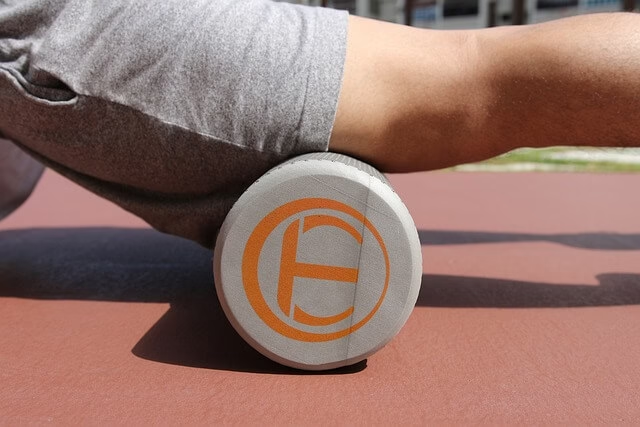
A foam roller is a cylindrical tool made of dense foam. Foam rolling, also known as self-myofascial release (SMR), involves using a foam roller to apply pressure to specific areas of the body, giving a similar feeling to a deep tissue massage.
The primary goal of foam rolling is to target myofascial trigger points and adhesions, also known as knots, within the muscles and fascia (a connective tissue that surrounds and supports muscles).
Reasons to use a foam roller
These knots in the muscle and fascia can develop due to overuse, injury or poor posture. Foam rolling helps to release tension, improve blood flow, alleviate soreness, increase flexibility and promote muscle relaxation and recovery.
In addition to providing relief from muscle tightness and discomfort, it can also improve blood circulation and lymphatic flow. This is because the pressure applied during foam rolling stimulates blood flow to the muscles, promoting nutrient delivery and waste removal, which aids in muscle recovery and reduces inflammation.
You will often experience enhanced flexibility and range of motion from foam rolling, due to the break up of adhesions and scar tissue in the muscles. This allows for increased muscle elasticity and an improved range of motion, which can enhance athletic performance and reduce the risk of injury.
Incorporating foam rolling into your routine can help to prevent muscle imbalances and reduce the risk of injury by promoting optimal muscle health and function.
Additionally, foam rolling can aid in post-workout recovery by reducing muscle fatigue and promoting relaxation.
By addressing muscular imbalances, reducing tension, and promoting proper alignment, foam rolling helps prevent injuries such as strains, sprains and overuse injuries.
Types of Foam Rollers
Different types of foam rollers are available on the market to suit various preferences and needs. Traditional foam rollers feature a dense foam construction, offering moderate pressure and durability.
Alternatively, textured foam rollers incorporate ridges or knobs to provide a deeper tissue massage and target specific areas more effectively.
Vibrating foam rollers add an extra dimension to the massage experience, offering enhanced muscle relaxation and recovery.
Choosing the Right Foam Roller for You
Selecting the right foam roller for your needs is important for achieving optimal results in the area you want. When choosing a foam roller, consider factors such as density, size and texture.
High-density foam rollers provide deeper tissue massage and are ideal for experienced users, while softer rollers are better suited for beginners or individuals with sensitive muscles. Additionally, opt for a roller with a smooth or textured surface to target specific areas of tension effectively.
Preparing Your Muscles and Environment for Foam Rolling
Before diving into your foam rolling session, take a few moments to prepare your muscles and environment for optimal results. Begin by finding a flat, open space with enough room to move freely. Wear comfortable clothing that allows for unrestricted movement and ensures proper ventilation.
Perform a brief warm-up consisting of dynamic stretches or light cardio to increase blood flow to the muscles and prepare them for foam rolling.
Basic Foam Rolling Techniques for Major Muscle Groups
Foam rolling can target specific muscle groups to release tension, alleviate soreness and promote recovery. Here are some basic techniques for foam rolling major muscle groups:
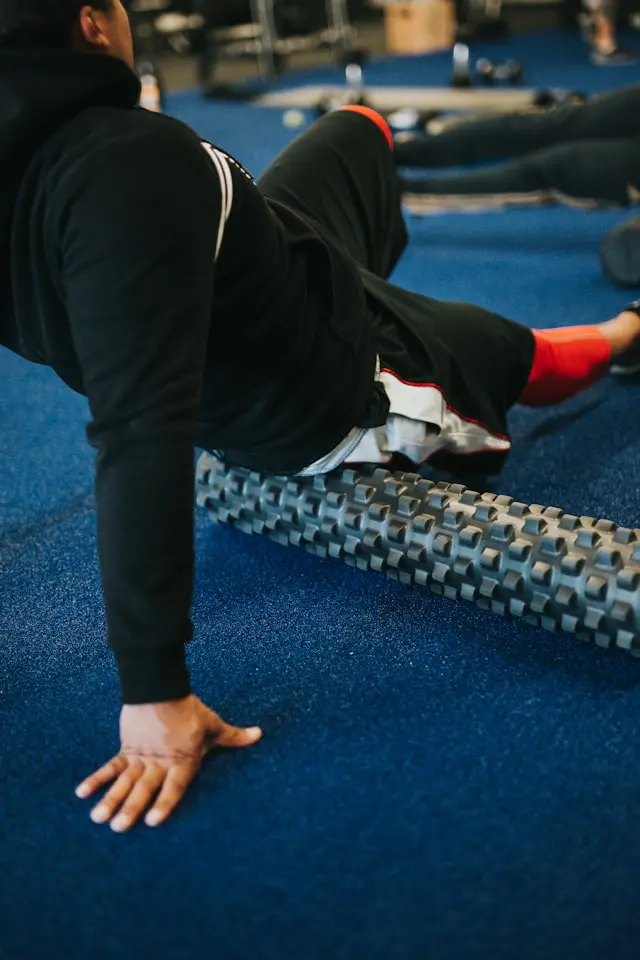
Quadriceps: Begin by lying face down with the foam roller positioned under your thighs. Use your arms to support your upper body and slowly roll from your hips to just above your knees, pausing on any areas of tension.
Hamstrings: Sit on the floor with your legs extended and the foam roller placed under your thighs. Use your hands to lift your hips off the ground and roll back and forth from your glutes to just above your knees.
Calves: Sit on the floor with your legs extended and the foam roller positioned under your calves. Place your hands behind you for support and roll back and forth from your ankles to just below your knees.
Glutes: Sit on the foam roller with one knee bent and the other ankle crossed over the opposite knee. Lean slightly to one side and roll back and forth over your glutes, focusing on any areas of tightness.
Upper Back and Shoulders: Lie on your back with the foam roller positioned under your upper back. Bend your knees and place your feet flat on the ground for support. Use your legs to roll back and forth from your mid-back to your shoulders.
IT Band or iliotibial band: The IT band is the connective tissue that runs along the outside of the thigh, from the hip to the knee. Lie on your side with the foam roller positioned under your hip and the opposite leg crossed in front for support. Use your arms to lift your upper body off the ground and roll back and forth along the outer thigh from your hip to just above your knee.
Proper Foam Rolling Technique
It’s important to maintain proper body positioning and alignment during foam rolling. Keep a neutral spine and engage your core muscles to support your body. Position the foam roller under the target muscle group, ensuring that it covers the entire area you intend to roll. Use your hands and feet to control the amount of pressure applied to the foam roller.
In order to apply the appropriate pressure and intensity, start with light to moderate pressure, gradually increasing as needed. Avoid rolling directly over bony areas or joints. Focus on slow, controlled movements, pausing on areas of tension to allow the muscles to release.
The duration and frequency of foam rolling sessions depends on your personal needs. In general, you should aim for 1-2 minutes of foam rolling per muscle group. Perform foam rolling sessions 2-3 times per week, or as needed based on your activity level and recovery needs.
Benefits of Foam Rolling for Muscle Recovery
There are many benefits to foam rolling, some of which are immediate, while others will arrive in time with repeated sessions. Foam rolling should quite quickly result in a reduction in muscle soreness and stiffness. The act of foam rolling helps break up adhesions and knots in the muscles, reducing tension and soreness.
By promoting blood flow to the muscles, foam rolling can alleviate stiffness and improve mobility, while also giving an improvement in range of motion and flexibility and improving muscle elasticity. The enhanced range of motion allows for better performance in physical activities and can reduce the risk of injury.
Foam rolling can also result in enhanced blood circulation and nutrient delivery to muscles. This is because it stimulates blood flow to the muscles, delivering oxygen and nutrients essential for muscle repair and recovery. The improved circulation helps remove metabolic waste products from the muscles, reducing fatigue and promoting faster recovery.
By addressing muscle imbalances and improving tissue quality, foam rolling helps prevent injuries related to overuse or poor movement patterns. Incorporating foam rolling techniques into your routine can help maintain optimal muscle health and function over time.
How to Incorporate Foam Rolling into Your Routine
You can use foam rolling as part of your warm-up routine to prepare the muscles for exercise and improve mobility.
After your workout, you can also incorporate foam rolling into your cool-down to promote muscle relaxation and aid in recovery post-workout.
Foam rolling is ideal as a supplement to other recovery techniques, such as stretching and hydration. Combine foam rolling with stretching to further enhance flexibility and muscle relaxation. Make sure you drink plenty of water before and after foam rolling sessions to stay hydrated and support muscle recovery.
Foam rolling can be used to target specific muscle groups. Identify areas of tightness or discomfort in your body and focus your foam rolling efforts accordingly to help deal with areas of tightness or soreness. Experiment with different foam rolling techniques and tools to address specific muscle groups and achieve optimal results.
Safety Tips and Precautions for Foam Rolling
While foam rolling can be hugely beneficial, it’s essential to practice proper technique and safety precautions to avoid injury. Here are some tips to keep in mind:
- Start slowly and gradually increase pressure as tolerated.
- Avoid rolling directly over bony prominences or joints.
- Breathe deeply and relax into the foam roller to facilitate muscle release.
- Stay hydrated before and after foam rolling sessions to support muscle recovery.
- If you experience sharp or intense pain, stop immediately and consult a healthcare professional.

Cooling down after foam rolling
After completing your foam rolling routine, it’s essential to allow your muscles to cool down gradually. Engage in gentle stretches or relaxation techniques to promote muscle recovery and reduce post-exercise soreness.
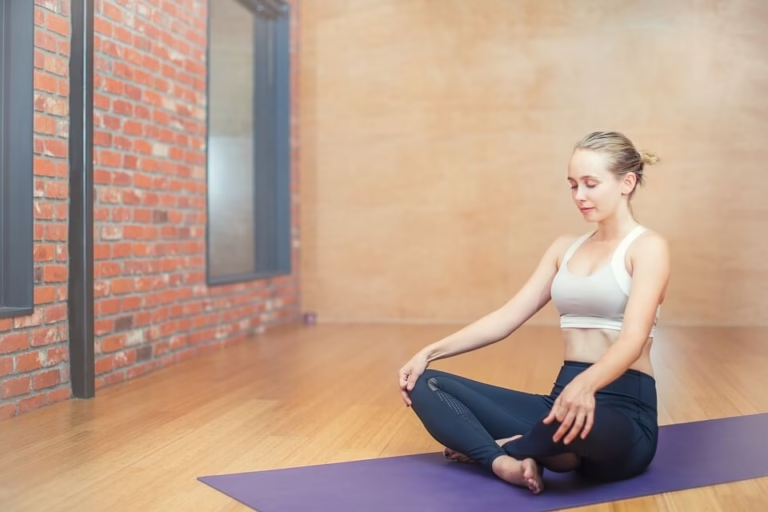
Perform static stretches for each major muscle group, holding each stretch for 20-30 seconds to release tension and improve flexibility. Alternatively, you can practice deep breathing or meditation to relax the body and calm the mind. Take this time to focus on your breath and reflect on the benefits of your foam rolling session.
Tips for Success with Foam Rolling
Consistency is key: Make foam rolling a regular part of your routine by scheduling it into your daily or weekly workout regimen. Aim for at least a few minutes of foam rolling after every workout session to reap the benefits over time.
Listen to your body: Pay attention to any areas of tightness, discomfort or pain as you foam roll. These sensations may indicate areas that need more attention or areas that require gentler pressure. Adjust your technique and pressure accordingly to avoid causing further discomfort or injury.
Gradually increase intensity: Start with gentle pressure when foam rolling, especially if you are new to the practice or working on sensitive areas. As your muscles adapt and become more accustomed to foam rolling, gradually increase the intensity by applying more pressure or using a firmer foam roller. However, avoid applying excessive pressure that causes pain or discomfort.
Stay hydrated and nourished: Support muscle recovery and overall health by staying hydrated and maintaining a balanced diet rich in essential nutrients. Drinking an adequate amount of water helps flush out toxins and promotes optimal muscle function, while consuming nutrient-rich foods provides the building blocks necessary for muscle repair and recovery.
Take breaks and rest when needed: Allow your muscles time to rest and recover between foam rolling sessions and workouts. Overtraining or overuse of foam rolling can lead to fatigue, muscle soreness and increased risk of injury. Listen to your body’s cues and incorporate rest days into your routine to prevent burnout and promote long-term success.
Do you use foam rolling in your workout routines? How do you feel it helps with muscle recovery?
What are your tips for more effective foam rolling sessions?
Share your thoughts in the comments.




Leave a Reply