Women and Strength
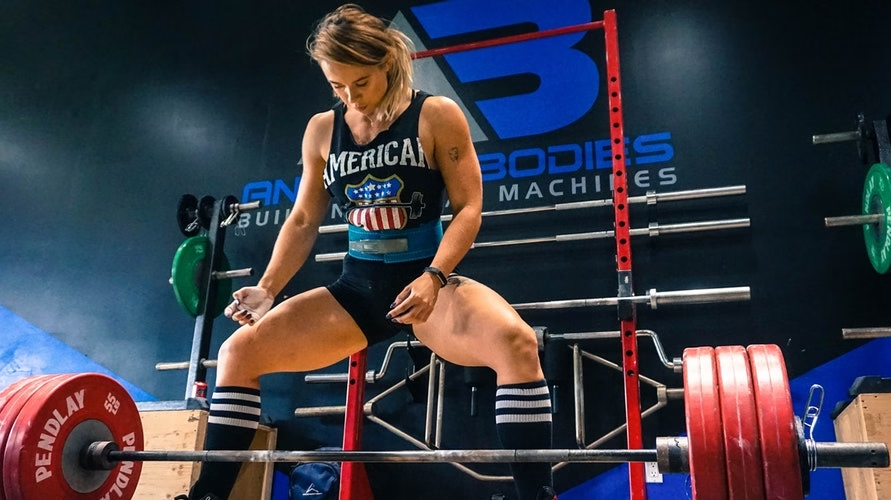
Women and weightlifting are not always two words people put together. However, more and more women are discovering the joys of weightlifting, strength conditioning and female bodybuilding.
Strength training is no longer seen as “just for men”, thank goodness. But women’s bodies have unique needs and strengths that are important to understand if you want to train effectively, safely and in harmony with your biology.
Some women who are looking for a lean, supple look worry that they will bulk up too much if they follow a weight training routine. But this is a needless worry.
In fact, most women will find it very difficult to gain anywhere near as much muscle mass as men from a regular strength training routine. This is because they simply don’t have the same hormones.
The lower levels of testosterone in the female body make it much harder for women to develop large amounts of muscle.
So instead of bulking up, regular weightlifting will optimise your body composition, which means a lean, firm, defined and healthy shape.
Header image: Unsplash
Women and Bodybuilding
In saying that, if women want to bulk up for competition or just because they enjoy it, they certainly can.
It is possible for women to achieve a very muscular look with the right intensive and focused training combined with a strict diet specifically for that aim.
It’s possible to train hard, eat well and work with your natural strengths to achieve an amazingly powerful physique. There are many highly successful female bodybuilders to prove it.
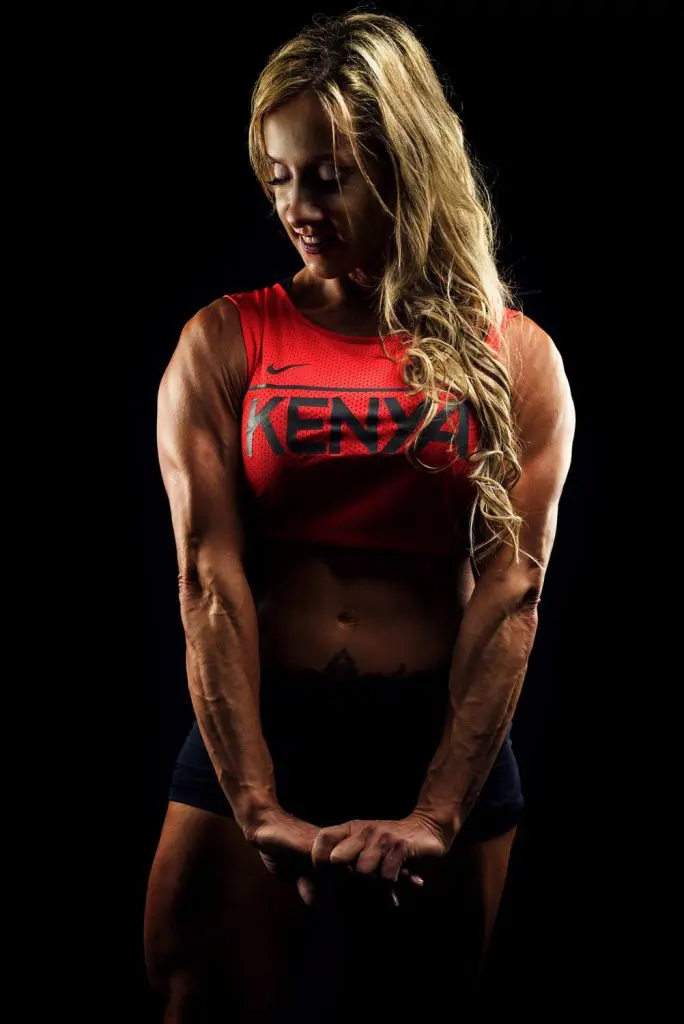
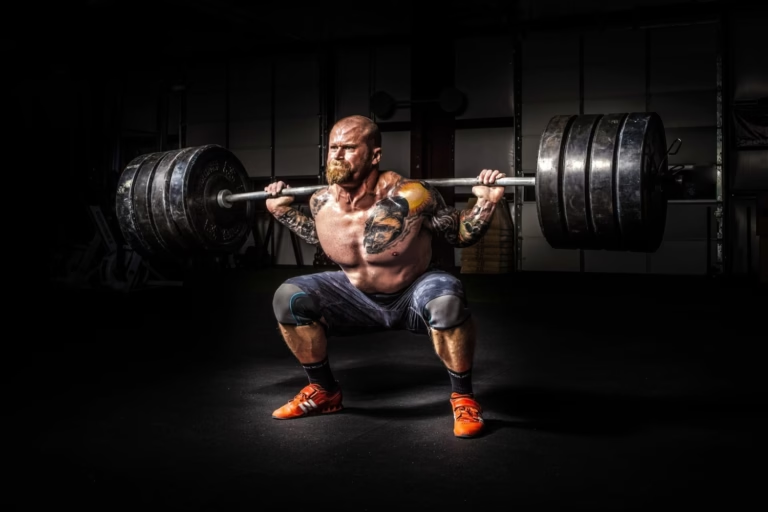
Female Bodybuilder. Image sourced via Pexels
The Historical Rise of Female Bodybuilding
The roots of modern women’s lifting go back further than most gym-goers realise. In the late 19th and early 20th centuries, pioneering athletes like Kate “Volcana” Williams performed feats of strength on theatre circuits. However, mainstream weightlifting clubs remained male-dominated and women were largely excluded from formal training culture.
The landscape shifted in the 1940s thanks to Abbye “Pudgy” Stockton, universally crowned the “Queen of Muscle Beach.” Stockton famously performed hand-balancing acts hoisting heavy barbells and grown men over her head, demonstrating that lifting weights builds a strong, athletic and functional female physique.
In 1947, Stockton helped organise the first official women’s weightlifting contest, laying the groundwork for female strength sports. Driven by this momentum, the very first official female bodybuilding contest was held in 1977.
Just three years later, in 1980, the Ms. Olympia competition was launched. Champions like Rachel McLish became global icons, cementing the sport as a competitive discipline and proving that the pursuit of muscle mass, elite body composition and physical power belongs to women as much as men.
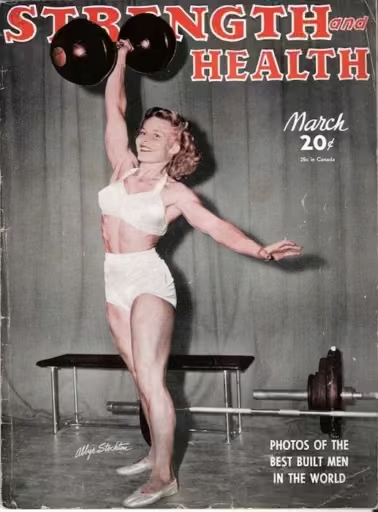
Abbye “Pudgy” Stockton, the “Queen of Muscle Beach” in 1948. | See page for author, Public domain, via Wikimedia Commons
Gaining Lean Muscle
Serious bodybuilding is a fantastic and rewarding goal. But it doesn’t have to be the focus of your workouts.
Many women simply want to gain lean muscle and develop a strong, supple look. Weight training is essential for this.
While good nutrition and calorie control can help to reduce excess body fat, adding a strength training programme helps your body increase muscle mass, so you burn more calories at rest.
To build a lean, sculpted physique, the focus should be on progressive overload, which means gradually challenging your muscles with heavier weights over time.
While using light dumbbells during cardio or aerobics is popular, it primarily increases your heart rate rather than building muscle. True body transformation and that “toned” look comes from resistance training sessions that stimulate muscle growth and boost your resting metabolism.
Of course many women want to train with heavy weights for a more powerful effect to gain a strongly sculpted look, while increasing strength and power.
Heavier weight training will achieve the best results in the shortest space of time, and it’s also great for bone strength.
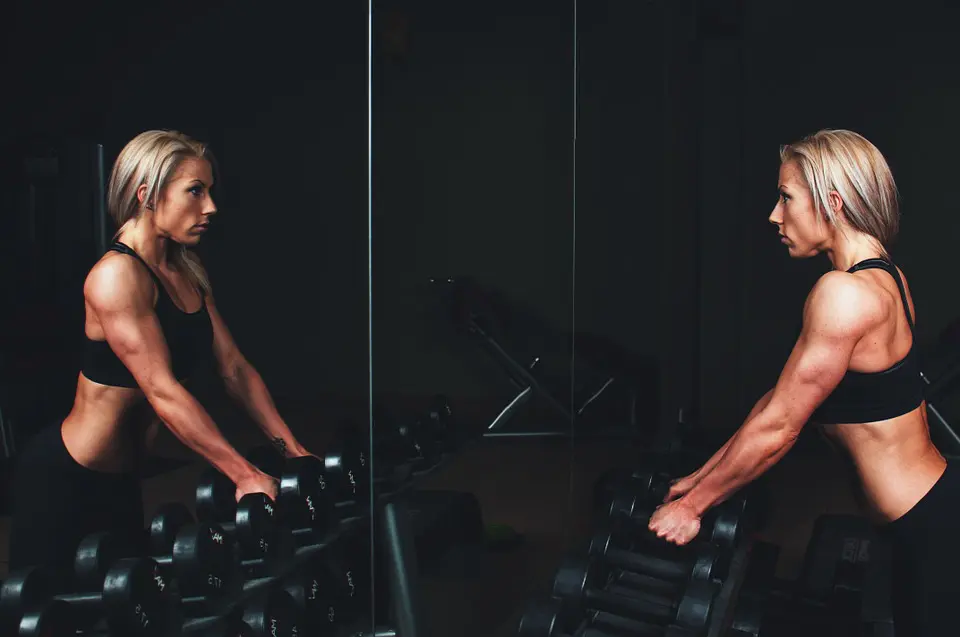
Free Weights Preparation. Image sourced via Pixabay
Mental Strength Benefits
Strength training isn’t just about physical power. It builds mental strength and resilience too.
Regular lifting has been shown to reduce anxiety and stress levels, thanks to the release of mood-boosting endorphins.
Many women also experience a real boost in self-confidence as they see themselves getting stronger and achieving new milestones.
Over time, strength training can help foster a deep sense of confidence in your own abilities, helping you realise you are capable of facing tough challenges, both in and out of the gym. It’s a powerful way to strengthen your body and your mindset.
Getting Started Safely
If you’re new to strength training, it’s important to build a solid foundation to stay safe and make steady progress. Here are some weightlifting beginner tips:
- Start with bodyweight exercises to master basic movement patterns (e.g squats, lunges and push-ups).
- Focus on good form first, even if it means lifting lighter weights to start with.
- Warm up properly before every session to prepare your muscles and joints.
- Work with a trainer if possible or the instructor at your gym, to get personalised guidance and feedback.
- Progress gradually, increasing weight or reps a little at a time to avoid injury.
- Listen to your body and don’t push through pain – rest and recovery are part of the process.
- Stay consistent – small steps add up to big changes over time.
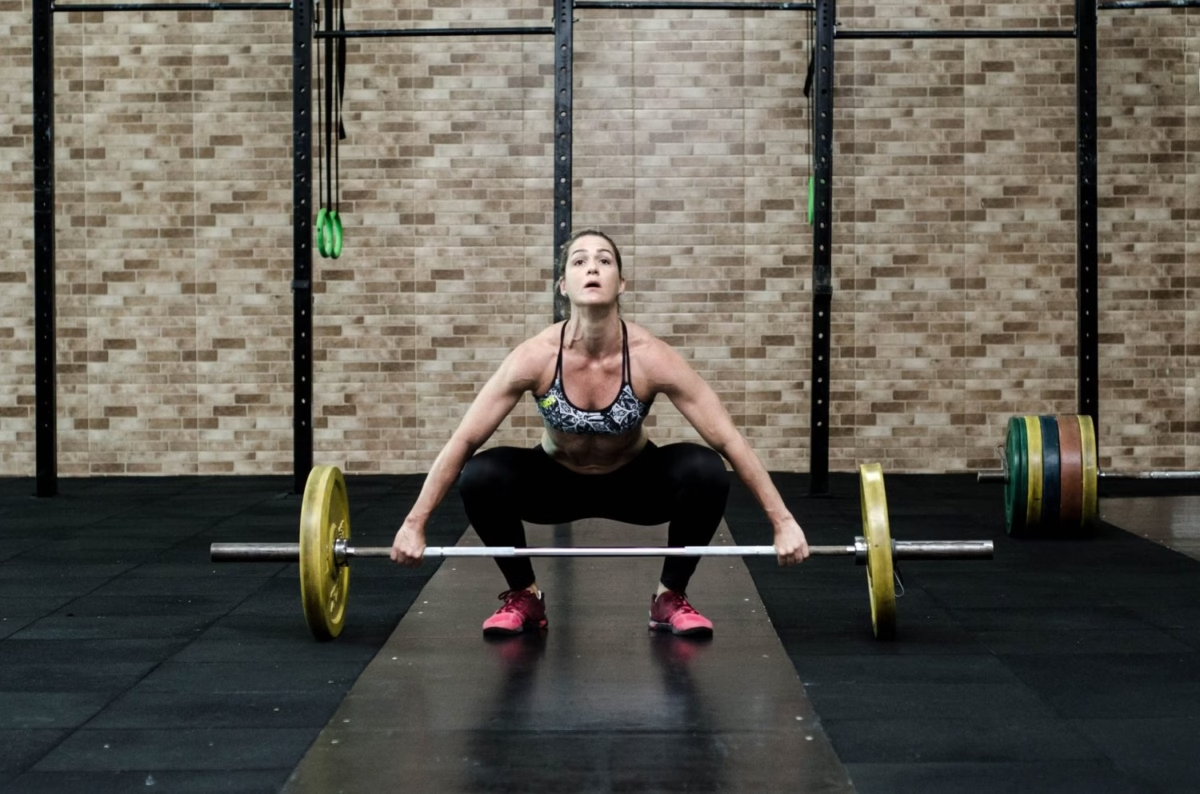
Deadlift. Image sourced via Pexels.
Differences Between Women and Men in Strength Training
Women and men both benefit hugely from strength training, but there are real biological differences that affect how we train and adapt.
Men typically have greater muscle mass, especially in the upper body, because of higher testosterone levels. Conversely, women are often stronger in the lower body relative to their body weight, making exercises like squats and lunges particularly effective.
Women’s hip structure, smaller bones and greater flexibility also mean they need to pay close attention to form to avoid injury, especially in movements that involve the knees and hips.
Due to biomechanical and hormonal factors, women face unique injury risks in strength training and sports.
Understanding these differences helps tailor a training program that is both safe and effective to protect your body and work with your natural biological strengths.
Some of the areas of difference between men’s and women’s bodies that affect strength training, exercise and sports include:
Muscle mass:
Relative to total body mass, women have less muscle than men. However, research shows that pound-for-pound, muscle tissue itself is identical in strength potential between men and women.
Women synthesise muscle protein at similar rates to men. The difference is down to starting with a smaller frame and less initial muscle mass.
This means women can gain muscle at a similar rate to men, relative to their starting size. While lower testosterone levels mean women won’t accidentally “bulk up” to a massive size, women can still build impressive strength and definition.
As women tend to be relatively stronger in the lower body than the upper, this means leg-focused moves like squats and deadlifts can feel more natural.
While upper body strength may take longer to develop, persistence does pay off. Compound lifts, like pull-ups and the bench press, are fantastic tools for building full-body power.
Hormones:
Testosterone is a key hormone for muscle growth, and men have 10 to 20 times more of this hormone than women. So while women can and do build muscle, the process is a bit slower.
In addition, as women’s hormones (namely oestrogen and progesterone) can fluctuate throughout the month, it can be beneficial to adjust training intensity based on the menstrual cycle and evolving hormone health in order to optimise performance and reduce the risk of injury.
Bone density
Women typically have smaller, thinner bones, which can make strength training especially valuable to protect against osteoporosis (a condition where bones become weak, brittle and more likely to break due to a loss of density).
However, due to having thinner bones, women are at increased risk of stress fractures, especially if training is too intense without enough recovery time.
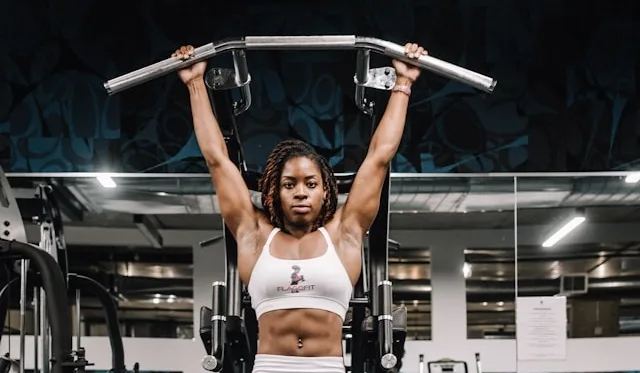
Pull-Up Bar. Image soured via Unsplash
Ligaments and flexibility:
Women often have more flexible joints and looser ligaments, which is great for mobility, but can increase the risk of injuries like ACL tears (common in football).
This makes glute and hamstring strengthening exercises essential for knee protection.
Hip and pelvic differences:
Women have a wider pelvis than men, which affects the angle of the leg and alignment at the knee and ankle. This difference creates a greater “Q-angle” at the knee for women, which affects things like running mechanics and increases injury risk, especially of knee valgus.
Although the wider Q-angle creates knee vulnerability, the main issue is usually quadriceps dominance (underusing the hamstrings and glutes). Building hamstring and glute strength helps to mitigate against knee issues.
Women’s pelvic floor is also typically under more strain than men’s throughout life. This is why incorporating pelvic floor and core exercises is an important part of strength training for women. Ensuring a strong pelvic floor is particularly important for women who are pregnant or postpartum, to support long-term strength and stability.
Protecting Your Body: Gender-Specific Risks
To train in line with the female body’s needs, keep these points in mind:
- ACL Injury Prevention: Strengthen hips, glutes, and hamstrings to stabilise knees. Focus on proper landing mechanics for jumps.
- Bone Health: Load-bearing exercises are essential for women, especially post-menopause, to combat bone loss.
- Core & Pelvic Floor: Pregnancy, childbirth and hormonal changes can affect the pelvic floor and core strength. Incorporate deep core and stability exercises to maintain a solid foundation.
- Mobility vs. Stability: Women’s natural flexibility is a strength, but it can also be a risk. Balancing flexibility work with strength and stability training is essential.
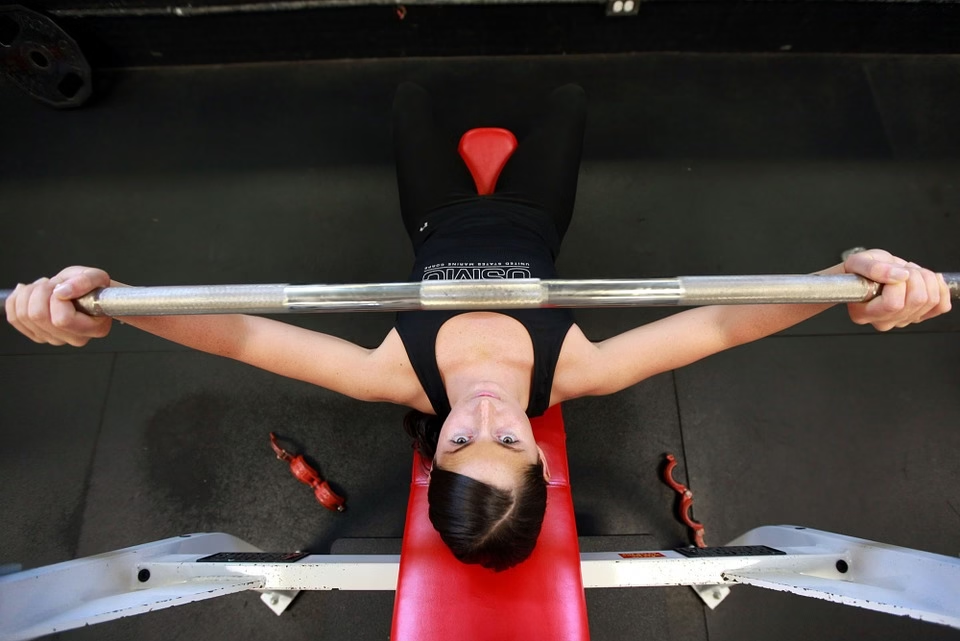
Bench Press. Imaged sourced via Pexels.
Training with your Hormone Cycle
Your menstrual cycle can influence how your body responds to training. The theory is that training around the different phases of the cycle can help you get the most out of your workouts, respecting the body’s natural surges and dips in energy.
Hormone cycle tracking suggests that in the follicular phase, rising oestrogen can boost energy, strength, and even pain tolerance, which makes this time perfect for more challenging workouts.
Then around ovulation, energy peaks but joint stability may drop, so injury risk can increase. While during the luteal phase (i.e. between ovulation and menstruation), when progesterone is high, you may feel more sluggish and benefit from moderate, technique-focused sessions.
During menstruation, it’s important to listen to your body. Some women maintain high performance, while others prefer lighter workouts or rest at this time.
For women post-menopause, the drop in oestrogen can affect muscle mass, bone density and recovery, making strength training even more important for maintaining muscle strength, bone health and overall vitality.
While “cycle-syncing” workout plans work for some women, large-scale sports science reviews show that hormonal fluctuations affect every woman differently.
Generally speaking, the rising oestrogen in your follicular phase can boost energy and recovery, while the high progesterone in the luteal phase can make some feel more fatigued. However, rather than overhauling your routine based on this advice, the best approach is individualised auto-regulation.
Track your cycle to manage your volume, load and rest based on how your body feels each day. Listen to your own personal bio-feedback rather than following generic guidelines.
Tips for Women’s Strength Training
Women’s bodies are built for endurance and resilience. Studies show that women possess great muscular endurance and often recover faster between sets than men. This means women often thrive in higher-volume training programs.
However, keep in mind that while high-repetition, lower-load sets are excellent for muscular endurance, lifting heavier weights is non-negotiable for long-term bone health.
To stimulate bone density and protect against age-related decline, women must include heavy compound lifts in their weekly routines, using solid technique to protect joints.
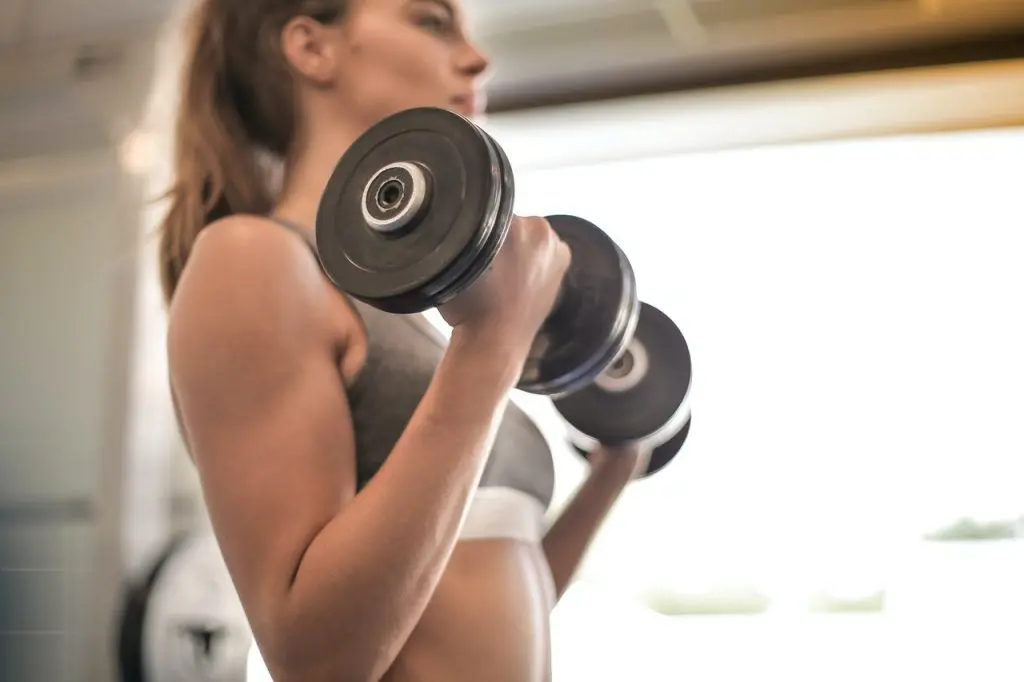
Bicep Curls. Image sourced via Pexels
Tracking Progress and Staying Motivated
It’s important to remember that strength gains for women might progress at a different pace than men’s, especially in upper-body exercises. But that doesn’t mean progress isn’t happening.
It’s important to track small wins to keep motivation high, such as such as lifting a bit more weight, doing an extra rep or improving form.
Also remember to measure success beyond the scale, such as increased stamina, better posture or feeling more powerful in everyday tasks.
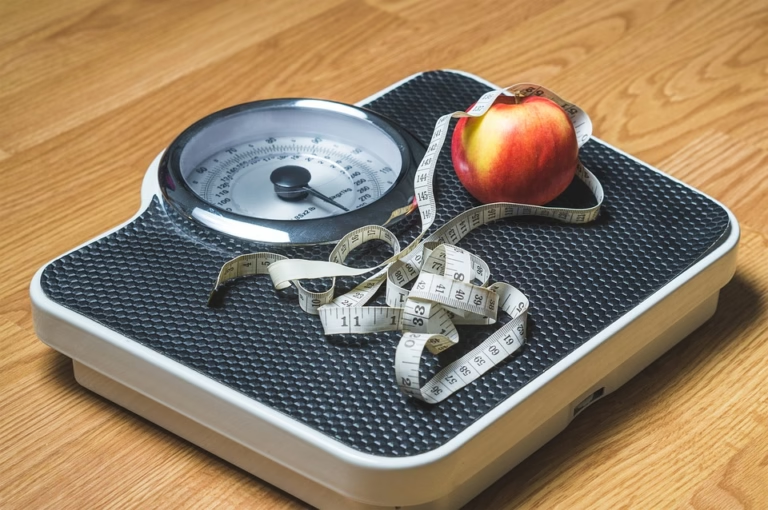
For women focusing on body transformation, it’s essential to look beyond the bathroom scale. Muscle tissue is significantly denser than fat tissue, meaning it occupies much less physical space on your frame.
As you improve your body composition by building lean muscle and losing body fat, your weight might stay exactly the same, or even go up slightly. Focus on performance milestones, energy levels and how your clothes fit rather than numbers on a scale.
Strength training is more than just about building a stronger body. As you lift, you’re not only shaping your muscles, but also empowering yourself to face challenges, both inside and outside the gym, with confidence and resilience.
Pick Your Progression
Level Up: Ready to build a powerful physical foundation? Explore our comprehensive Guide to Free Weights.
Defy the Myths: Learn how heavy lifting alters your metabolism in our deep dive into The Science Behind Muscle Growth.
Fuel the Fire: Wondering about proper nourishment for a stronger body? Learn how to eat for performance in our Nutrition for Strength Guide.
Share Your Thoughts: What Does Strength Mean to You?
We want to hear about your strength journey! Drop a comment below to share your experiences with the community:
- Your Invincible Lift: What is the one lift or exercise that makes you feel invincible, and why?
- Your Ultimate “Why”: Do you lift weights for strength, power, weight management or a combination?
- Competitive Lifting: Are you a female bodybuilder or powerlifter? Do you compete? We’d love to hear about your experiences.
- Claiming Your Space: Have you ever felt like you didn’t “belong” in the weight room? How did you claim your space?
- Coaching & Programs: Did a great coach or tailored program ever completely change the game for you? What clicked?
- Real-World Impact: How has the strength you built in the gym shown up in your everyday life or your career?
- Overcoming Setbacks: Setbacks are part of the journey. If you’ve faced an injury, what did the recovery process teach you about your body?
- Day-One Advice: What advice would you give to women who are just starting out with weight training?




I’m 50 and have just started getting in to weight training, I love being told that post menopause i will struggle to keep my weight under control (always struggled so post menopause not going to make a huge difference) i like the power it gives me, i dont want to be stick thin, i want to be strong fit and healthy into the next stage of my life. im strong anyway, but this is really striking a chord with me.
That’s great news Debbie – so glad you’ve been inspired to try weight training. You’re right, being strong, fit and healthy is so important at all stages of life and a good strength training routine can be totally transforming. You can get fitter in your fifties than you’ve ever been! Have you tried bodyweight exercises too? These are great for quick strength workouts anywhere.