
Last Updated on November 5, 2026
Christmas Day is usually where all good intentions go to die. It starts innocently enough. A festive breakfast. A drink earlier than usual. A bit of lounging. Snacks. Then suddenly it’s mid afternoon, you’ve barely moved, blood sugar is all over the place, digestion feels heavy, and by evening you feel strangely flat, bloated and wired at the same time.
The problem isn’t Christmas Day food. The problem is Christmas Day behaviour.
A healthy Christmas Day isn’t about avoiding indulgence. It’s about supporting your body so it can cope comfortably with it all.
This is how to enjoy Christmas Day fully while still feeling human by bedtime…
Rethinking Christmas Day health
Most Christmas Day advice falls into two camps:
- “Let go completely – it’s only one day”
- “Try not to eat too much”
Neither is useful.
Christmas Day is a long day. Multiple meals. Alcohol. Sitting. Sugar. Late nights. Your body needs help managing that load.
Health on Christmas Day is about:
- Blood sugar regulation
- Digestion
- Circulation
- Lymphatic drainage
- Nervous system balance
Get those right and the food becomes far less of an issue.
Morning: set your body up properly
Focus on light movement before anything else. Before breakfast, presents or alcohol, move your body. This does not need to be a workout. Five to ten minutes is enough:
- Bodyweight squats
- Hip circles
- Arm swings
- Gentle spinal movement
- A few press ups
- Lymphatic drainage massage
- Rebounding
This improves circulation, wakes up your nervous system and improves insulin sensitivity for the rest of the day. In simple terms, your body handles food better when it has moved a bit first. This one habit alone makes a noticeable difference.
Breakfast: festive, but anchored
Christmas breakfast is often sugar-heavy. Toast, pastries, cereal, bucks fizz. You don’t need to avoid all this completely. Just anchor it with some protein or healthy fats:
- Eggs
- Greek yoghurt
- Smoked salmon
- Nuts
This addition of protein and fats slows the digestion, stabilises blood sugar and reduces the urge to snack constantly all morning. Skipping breakfast entirely often backfires later on.
Alcohol: timing matters
Starting alcohol early is one of the biggest contributors to poor digestion, low energy and poor sleep on Christmas Day.
If possible, make sure you eat something first, drink water alongside alcohol, and sip your drinks – don’t constantly top up.
This is not about deprivation. It is about not overwhelming your system before midday.
The big meal: support digestion, don’t sabotage it
A big turkey lunch or dinner is the main event. Eat it. Enjoy it. What matters most is what you do afterwards. This makes a huge difference to how you feel later in the day.
Walk after eating
A simple10 to 20 minute walk after the main meal is one of the most powerful things you can do on Christmas Day.
Benefits include:
- Better digestion
- Improved blood sugar regulation
- Reduced bloating
- Better mood
- Improved lymphatic drainage
This is not all about exercise. It’s just basic physiology.
If everyone goes for a walk together, even better. If not, go alone. Your body will thank you.
If you can’t go for a walk, move anyway. If weather or logistics make walking difficult, movement still matters. This can mean bodyweight squats, press ups or box press ups, lunges, walking on the spot, a turn around the garden, even just wandering round the house going up and down the stairs.
Throughout the afternoon
It’s easy add movement to Christmas Day in low-key ways:
- Do 25 to 50 squats spread out through the day
- Stand up regularly
- Stretch hips and back
- Do calf raises while waiting for the kettle
- Do arms swings while in the bathroom
- Do leg extensions while sitting on the sofa
These small movements keep blood and lymph moving and prevent the heavy, lethargic feeling people associate with Christmas over-indulgence.
Blood sugar regulation
Most post-Christmas discomfort is blood sugar related.
Long periods of sitting combined with sugar, alcohol and large meals create spikes and crashes that feel like:
- Fatigue
- Brain fog or “fuzzy” head
- Irritability
- Cravings
- Headaches
- Feeling “off”
Movement after eating is the simplest way to regulate this. You do not need supplements, trackers or willpower. Just move your body and challenge your muscles.
Going for a walk after eating or just moving your body and working your muscles is a simple yet powerful way to bring blood sugar under control. This helps to stop those spikes that lead to big drops in energy later.
Chocolate and dessert: slow it down
Christmas treats are part of the day. Removing them entirely usually leads to resentment or later bingeing. So don’t try to.
Instead of avoiding them, eat them intentionally and mindfully. Sit down to eat. Pause between portions. Enjoy the tastes. Notice when enjoyment drops off – most people stop enjoying food long before they stop eating it.
A delicious chocolate Yule log usually only stays that delicious for a few bites. You probably don’t want another slice.
Lymphatic support on Christmas Day
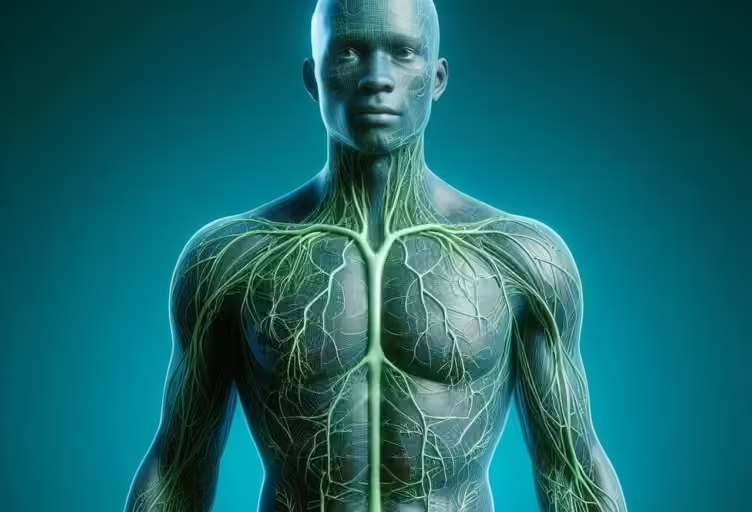
The lymphatic system helps manage fluid balance, inflammation and waste products. It relies on movement to stimulate it.
Christmas Day is often a perfect storm for lymph stagnation what with all the sitting for long periods of time, alcohol and rich food.
Helpful habits:
- Walking
- Gentle rebounding
- Squats
- Deep breathing
- Lymphatic drainage massage
If you feel puffy, heavy or sluggish by evening, this slowed down lymph is often why.
Help your body wind down for evening
By evening, the focus should shift from stimulation to regulation. There are a few things you can do to help your body calm down. Helpful choices include:
- Reduce alcohol later in the evening
- Drink water
- Dim lights
- Step away from screens
- Breathe deeply
This supports digestion, sleep quality and nervous system recovery. Good sleep makes Christmas indulgence much easier to handle.
What a healthy Christmas Day looks like
A healthy Christmas Day is not one where you avoid everything. It’s one where:
- You enjoyed the food
- You moved enough to feel comfortable
- Your digestion coped
- Your mood stayed steady
- You slept reasonably well
That’s success.
Healthy living isn’t about restricting everything. It’s about giving your body the capacity to handle real life, including Christmas Day.
Eat well most of the time (add some fat or protein to carb-rich meals). Move regularly. Walk after meals. Support your circulation. Drink consciously (include water). Enjoy yourself.
That’s how you have a healthy Christmas Day without making it boring.
Share your thoughts
How do you handle Christmas Day? Do you work out as usual? Stagnate for the day? Go on a post-lunch walk? Head to the pub?
Any tips for enjoying the day without an energy slump?
Share your ideas in the comments!

Leave a Reply