Supplements for Strength Training

Your nutrition and lifestyle habits have a massive impact on the effectiveness of your strength training programme. While hitting your lifts consistently is the foundation of building a great physique, optimising your fuel sources can dramatically accelerate your muscle recovery, strength and gym performance.
Unless you’re an advanced bodybuilder, most fitness supplements are generally not necessary. In the vast majority of cases, gym-goers who eat a high-quality, varied and calorie-controlled diet will be able to effectively develop their strength naturally.
However, a few well-chosen strength training supplements can be useful to fill minor nutritional gaps, support your recovery and give you that extra edge during demanding workouts.
Header image: Pexels
Vitamins and Minerals: The Daily Foundation
A general, high-quality daily multivitamin is an excellent insurance policy for anyone, but it is especially beneficial for strength athletes whose bodies have greater physical demands due to heavy lifting.
To optimally support muscle growth and joint health, pay close attention to these vital micronutrients:
Zinc: Absolutely crucial for supporting optimal natural hormone production and cell repair.
Magnesium: Essential for promoting muscle relaxation, reducing cramping and improving deep sleep quality.
Calcium & Vitamin D: Work together to maintain bone density and support powerful muscle contractions.
A general, high-quality daily multivitamin is an excellent insurance policy for anyone, but it is especially beneficial for serious lifters whose bodies have greater physical demands. Read more about individual vitamins in the NHS Vitamins and Minerals Guide.
Protein Powder: Convenient Muscle Recovery
One of the most popular supplements in fitness is protein powder. This is typically sourced as whey, casein or plant-based alternatives like pea or soy.
These powders supply a highly concentrated stream of essential amino acids, making them perfect for kick-starting muscle repair after intense training sessions.
It’s important to remember that protein powders are a convenience tool, not a magic requirement. If you already hit your daily target through a protein-rich diet of chicken, fish, eggs and tofu, powders are optional. To see how to easily structure these whole foods across your daily routine, check out our master Nutrition & Fueling Guide.
However, a high-quality whey protein shake remains a highly effective, fast-digesting tool, backed by the International Society of Sports Nutrition (ISSN) Position Stand, as a way for serious lifters or busy gym-users to meet their daily targets and support muscle development.
Creatine Monohydrate: The Ultimate Edge
Creatine is a substance that gets a lot of attention in the strength training world. It is a natural compound derived from amino acids that your body uses to produce explosive cellular energy (ATP).
While creatine exists naturally in foods like red meat and fish, you only ingest a tiny amount through a standard daily diet. To experience the full performance-boosting benefits of fully saturated muscle stores, you’ll need to try a supplement.
Sports nutrition consensus published in the International Society of Sports Nutrition (ISSN) Position Stand confirms that a standard daily intake of creatine monohydrate can be safely used to support increased strength and power output.
Tips for Taking Creatine Safely
Because creatine draws water into your muscle cells to support performance, it can potentially cause bloating or stomach discomfort. To combat this, ensure you drink plenty of fluids throughout the day.
The amount taken should always be aligned with individual needs and product guidelines. Be careful with your intake because excess can result in gastrointestinal issues. The best way to take creatine is slowly so that it has time to digest and doesn’t aggravate the stomach.
Simply mix your portion into a standard glass of water and consume it consistently. Timing matters far less than consistency.
Creatine can be found in all health food shops and all body building shops in powder, capsule and chewable form. This is one of the best supplements for strength training for those looking for an extra edge via a natural supplement.
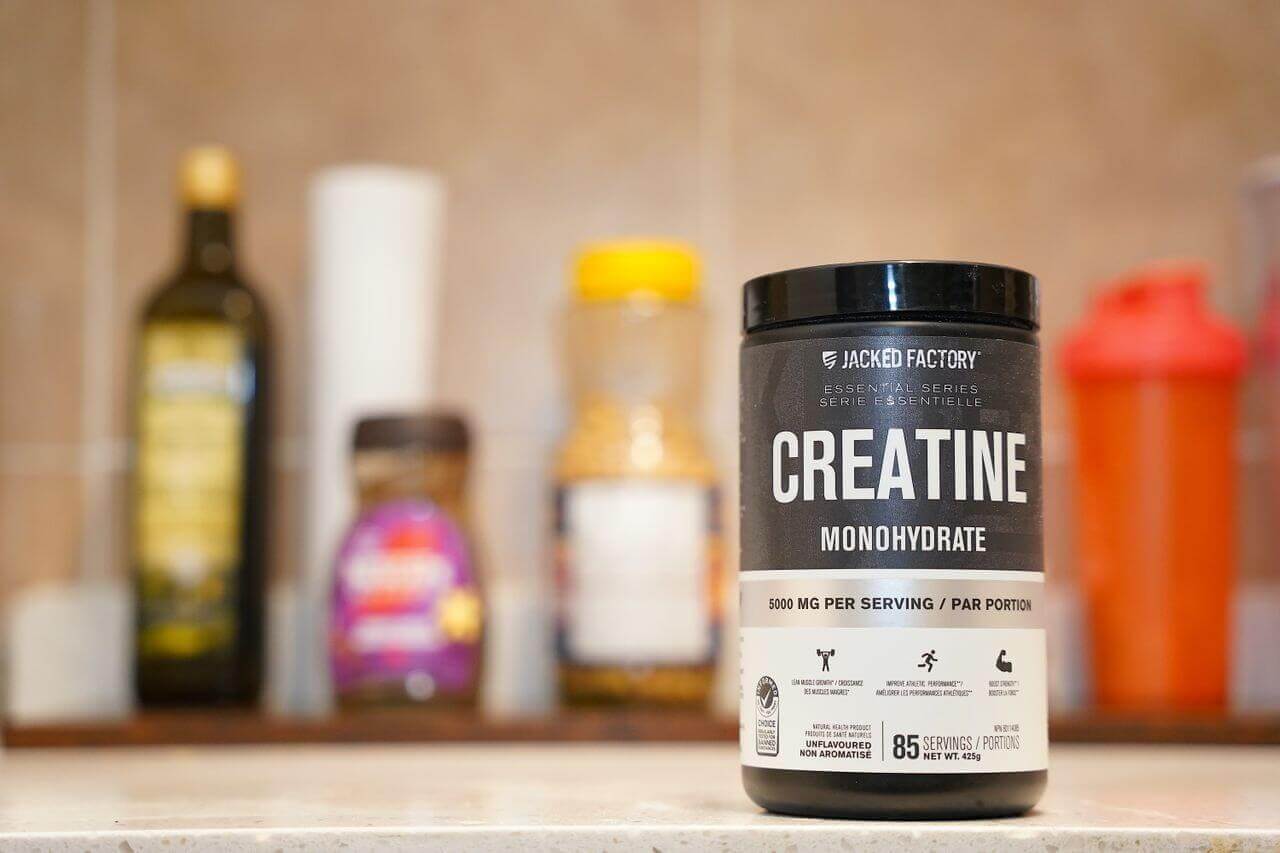
Creatine. Imaged sourced via Pexels
How Much Creatine Should You Take Based on Body Weight?
There is no need to guess your intake or consume massive amounts. Sports science outlines two clear options for beginners looking to try creatine:
- The Daily Maintenance Protocol: The simplest approach is to consume a steady 3 to 5 grams of creatine monohydrate every single day. For the vast majority of human body weights, a flat 5-gram scoop covers your daily requirements. If you want to use exact calculation, established sports nutrition models suggest aiming for roughly 0.03 grams per kilogram of body weight daily. Your muscle stores will become fully saturated in about 3 to 4 weeks.
- The Optional Loading Protocol: If you want to experience the benefits faster, you can perform a short-term “loading phase” by consuming 0.3 grams per kilogram of body weight per day (roughly 20 to 25 grams total), split into four equal doses spread throughout the day. This phase should only last for 5 to 7 days. Once your muscles are full, you should drop straight back down to the 3 to 5-gram daily maintenance dose.
For more guidance on creatine supplementation, check out this study by the
International Society of Sports Nutrition.
The daily maintenance protocol is recommended for regular lifters. Taking excessively large amounts (such as 20 to 30 grams a day) long-term is unnecessary and potentially problematic.
Once your muscle cells reach maximum saturation, your body cannot store or use any extra powder. The excess is simply filtered out by your kidneys. You’ll also increase your risk of stomach cramps and bloating.
Caffeine: High-Octane Pre-Workout Energy
Caffeine is a widely used nervous system stimulant, often taken as a drink with breakfast, as a pre-workout drink or sometimes as a tablet.
By blocking fatigue signals in the brain, caffeine increases focus, sharpens your energy and improves your perceived endurance. While it doesn’t directly build muscle tissue on its own, it allows you to train harder and heavier for longer periods, which indirectly supports strength gains over time.
Anabolic Substances vs. Supplements
When researching fitness advice, it is vital to separate natural dietary supplements from pharmaceutical, banned substances like synthetic Testosterone or Human Growth Hormone (HGH).
While certain natural plant extracts sold in health food shops, such as fenugreek extract, are associated with supporting baseline wellness, actual synthetic hormones are prescription-only medical drugs.
Because of their powerful, unnatural anabolic properties, taking unprescribed hormones is classified as a severe doping offence in competitive sports and carries health risks, including cardiovascular strain and endocrine damage.

Bicep Curl. Imaged sourced via Pexels
Testosterone and Strength Training: Fact vs. Fiction
Testosterone is a naturally occurring anabolic hormone that acts as the primary driving force behind skeletal muscle hypertrophy, protein synthesis and raw strength progression.
While men naturally produce significantly higher baselines of testosterone than women, female lifters are highly sensitive to the hormone, meaning even small natural variations can influence their recovery and athletic development.
By drastically increasing protein synthesis, testosterone increases athletic performance by enhancing muscle development, raw strength and overall output.
Because of these rapid, powerful performance-altering effects, the use of unprescribed, synthetic testosterone is classified as a doping offence in competitive sports and drug-tested powerlifting federations.
In clinical medicine, testosterone treatments exist in various prescription forms, such as tablets, patches, topical gels and injections. But their off-label use is restricted, due to heavy cardiovascular and endocrine risks outlined in Sports Health Literature, and they remain forbidden without a documented medical deficiency under clinical supervision.
Natural Herbal Support: The Role of Fenugreek
Many gym-goers turn to natural dietary supplements sold in standard health food shops to support their body’s internal environment. A highly popular ingredient in this category is fenugreek extract.
Derived from the fenugreek plant, robust clinical reviews indexed in the National Institutes of Health (NIH) Database indicate that specialised fenugreek glycosides can help support healthy, natural baseline testosterone profiles and muscle performance in active individuals.
Unlike synthetic compounds, natural herbal extracts do not replace your body’s natural processes. Instead, they work by providing botanical nutrients that help your system function at its peak natural capacity.
Testosterone support formulas are commonly found in capsules or powder forms across reputable fitness stores, offering a safe, non-hormonal way to complement a balanced diet.
Human Growth Hormone (HGH) and Recovery
Human Growth Hormone (HGH) is a peptide hormone produced naturally by the pituitary gland. It plays an essential role in cell reproduction, lean tissue repair, and protecting the joints.
In the medical profession, synthetic HGH is a restricted, prescription-only drug used exclusively to treat growth disorders or muscle-wasting conditions under clinical supervision. However, it is also sought out illegally by some athletes to stimulate rapid muscle growth, as well as by individuals seeking anti-ageing benefits.
It is important to note that actual pharmaceutical growth hormone is a highly regulated substance, not a commercial fitness supplement.
Due to its potent anabolic properties, taking synthetic HGH without an explicit medical prescription is completely banned in competitive sport and treated as a major anti-doping violation under the official World Anti-Doping Agency (WADA) Prohibited List.
For everyday lifters looking for a safe alternative, the health market does offer a variety of natural over-the-counter supplements containing amino acid blends designed to gently support the body’s own natural, healthy hormone production. We’ll look at these now.
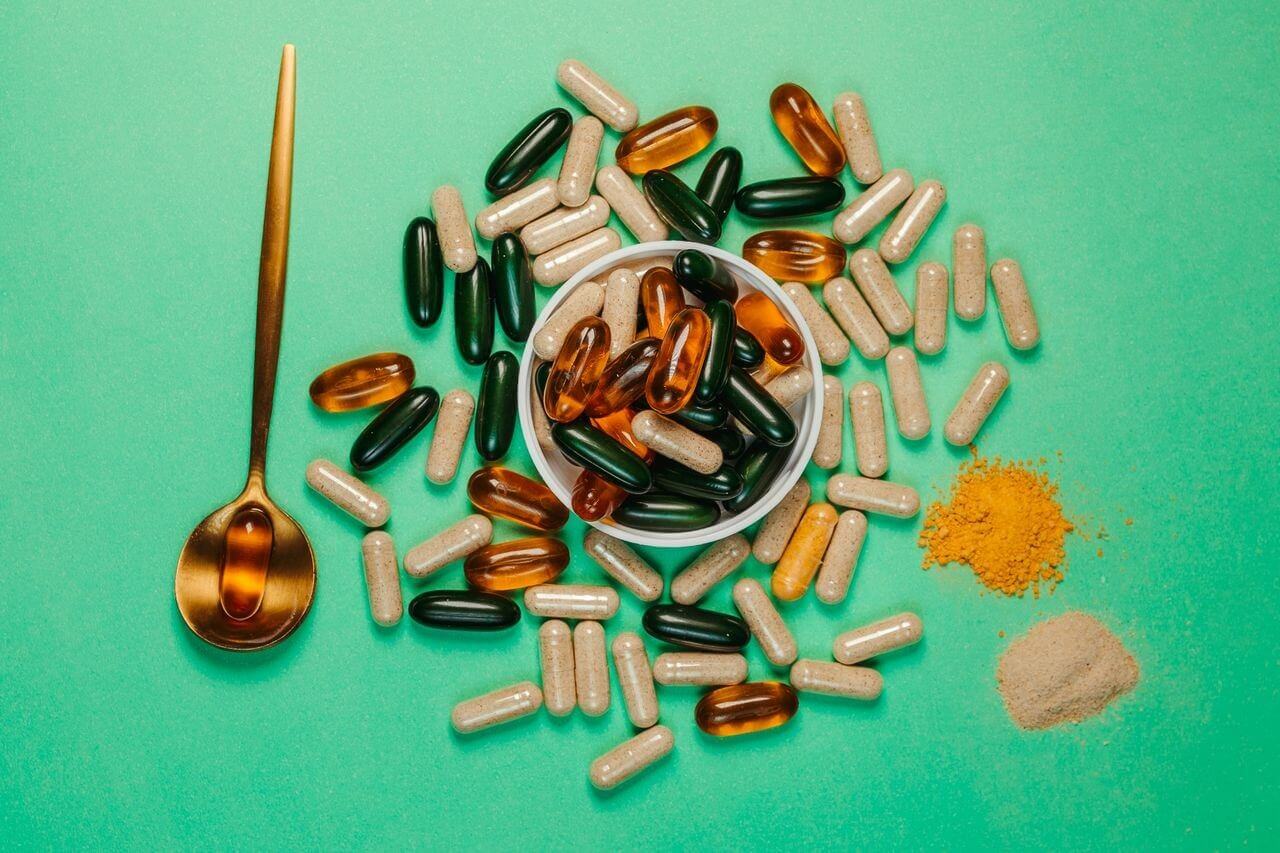
Supplements. Imaged sourced via Pexels
Safely Supporting Your Pituitary Health
For the everyday lifter looking to maximise their results safely, there is no need to take dangerous pharmaceutical risks. The fitness market offers a variety of natural formulations containing amino acids (such as arginine, glutamine and lysine) that are associated with supporting the body’s natural hormones.
Ultimately, the absolute most powerful, scientifically proven way to maximise your natural growth hormone release costs nothing at all: securing 7 to 9 hours of deep, high-quality, uninterrupted sleep every single night. This is the exact window where your body’s natural recovery factory goes to work.
Optimise your sleep using our comprehensive Sleep & Recovery Guide.
Closing Thoughts on Supplements
Supplements can never replace the foundational pillars of solid weight training, good nutrition and plenty of deep sleep. However, they can certainly give a valuable boost when integrated sensibly into your daily routine.
Protein powders offer convenience, creatine supports raw power output, multivitamins cover minor gaps in your nutrition and caffeine sharpens your mental drive before a training session.
By sticking with safe, proven, natural options alongside a balanced whole-food diet, you can enjoy steady, long-term strength gains in a completely healthy way.
Pick Your Progression
Upgrade Your Recovery: Optimise overnight muscle repair and master the science of sleep cycles with our scientific Sleep & Recovery Guide.
Macro Mastery: Master your macro targets and select the best whole foods for gym users in our Nutrition & Fueling Guide.
Lift Heavier, Safely: Prime your muscles and joints before your next workout with our guide to Warming Up for Strength.
💬 Join the Discussion: Fitness Supplements
We want to hear about your nutritional setup! Drop a comment below to share your experiences with the community:
- Your Daily Stack: What supplements do you currently use as part of your regular strength training routine (e.g. whey protein, creatine or pre-workout caffeine drinks)?
- Noticeable Results: Which supplement has given you the most tangible, real-world boost in your recovery or lifting performance?
- Food vs. Powders: Do you prefer to hit your daily targets using whole foods, or do you rely on protein shakes for convenience?
- Pre-Workout Timing: If you use a pre-workout supplement, do you take it right before working out, or do you time it earlier to let the ingredients fully kick in?




Leave a Reply