Mobility & Flexibility
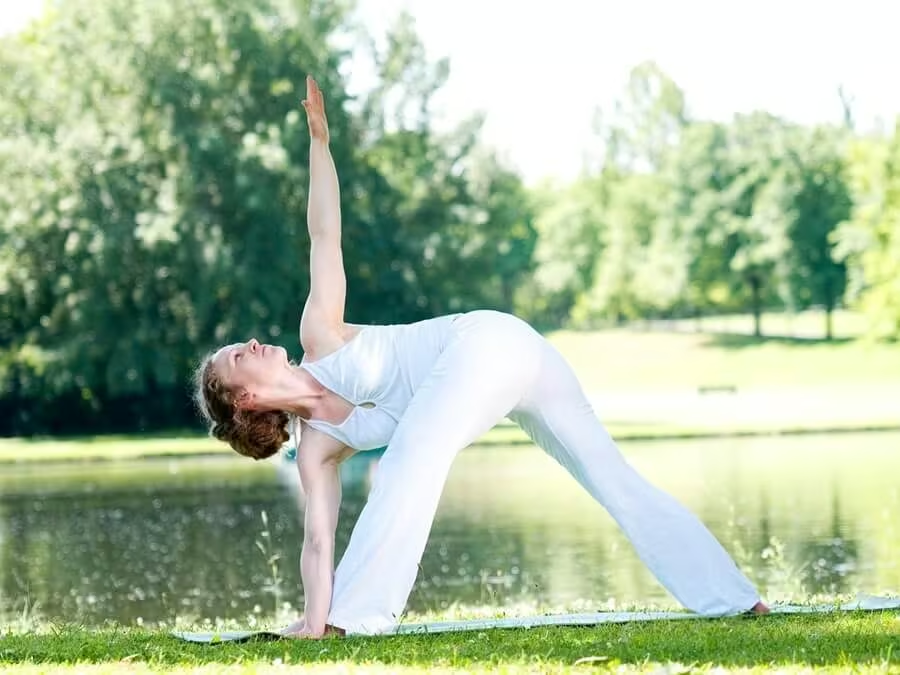
Flexibility is the total range of movement available at a given joint. The amount of flexibility you have in general is affected by your age, general health and muscle temperature.
True mobility requires a perfect balance between stability and suppleness. Too much flexibility can make your joints unstable and prone to injury, while too little flexibility places excessive stress on your joints during movement.
Consistent stretching maintains this delicate balance. It expands your range of motion, relieves stiffness and prepares your muscles to handle deep movement patterns.
Stretching can maintain and improve your flexibility. In fact, stretching is beneficial to all exercise routines as it helps to warm the muscles up, cool the muscles down and encourages the clearance of metabolic waste products.
Header image: Pixabay.
Mobility vs. Flexibility: What is the Difference?
While people often use the words “mobility” and “flexibility” interchangeably, they mean completely different things for your training performance:
Flexibility is the passive ability of a muscle to stretch and lengthen (e.g. how far a partner can push your leg up during a hamstring stretch).
Mobility is the ability to move a joint deliberately through a full, controlled range of motion (e.g. your ability to perform a deep squat under a heavy barbell load without breaking your form).
Flexibility is simply having loose muscle tissue. Mobility is flexibility combined with strength and motor control. To lift heavier weights safely, you need both.
Why Stretching Is Important for Strength Training
Stretching may seem simple, but it plays an important role in recovery and performance. Knowing the right types of stretches to perform at the right time is key.
Dynamic movements act as your pre-workout preparation stretches to prime muscles and joints for movement, while static holds during post-workout floor stretches help relax tight tissues and maintain long-term flexibility.
Stretching is important when strength training to reduce the risk of injuries. You need to stretch the muscles before a workout and afterwards.
Stretching before the workout is an important way to help warm up the muscles and prepare them for work. Stretching after your workout helps the muscles relax, maintains and develops the muscle’s range of movement, promotes blood circulation, and clears metabolic waste.
Consistent stretching also helps reduce soreness and increases your overall range of motion, which can lead to stronger, more efficient lifts.
Understanding the Muscle Stretch Reflex
When you perform any stretch, your muscles will only extend so far before the stretch reflex automatically triggers.
The stretch reflex is an involuntary muscle contraction that occurs suddenly when a muscle is stretched to its maximum limit. This is your body’s built-in defense mechanism designed to prevent muscle tissue from tearing or rupturing.
Always ease gently into every stretch. Moving slowly delays the onset of the stretch reflex, allowing the muscle fibers to relax, adapt and safely increase their length over time.
Preparation Stretches: Pre-Workout Movement
Preparation stretches are those stretches you do before a workout. It is necessary to do a warm up before doing your preparation stretches because you could cause injury if you try to stretch a cold muscle.
Preparation stretches should also be performed standing up in order to maintain a higher body temperature.
Check out our full breakdown of pre-workout preparation stretches to safely prime your body before you lift.

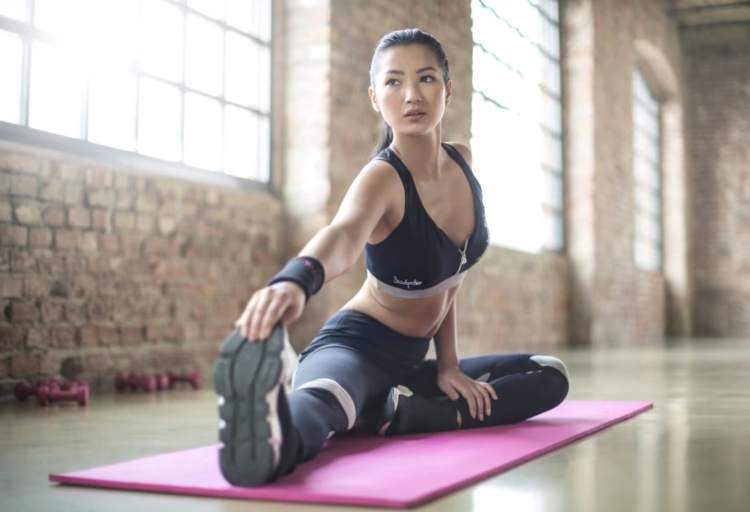
Calf Stretch. Image sourced via Pexels
Post-Workout Stretches: Recovery & Relaxation
Post-workout stretches are those stretches performed after your work out. These stretches help the body to return to a relaxed state and help the muscles to eliminate toxins. These stretches are often performed lying down or seated to create more relaxation.
Post-workout stretches can be either maintenance stretches or developmental stretches. Explore our guide to post-workout floor stretches to kickstart your recovery and lower muscle tightness.
Yoga and Pilates
Incorporating low-impact disciplines like yoga and Pilates into your training schedule is one of the most effective ways to accelerate your recovery and support heavy weightlifting.
Yoga is all about stability and deep stretching. Yoga blends bodyweight strength, balance and deep static stretching with controlled breathing. Many poses lengthen and open up tight muscles while also engaging strength and balance.
Yoga poses are typically held for extended periods, releasing deep-seated tension and building joint stability. For example, the Downward-Facing Dog simultaneously stretches the calves and hamstrings while forcing the shoulders and arms to support your body weight.
Pilates is focused on core strength and alignment. Pilates uses dynamic, highly controlled movements that flow from a muscle contraction into an eccentric lengthening phase, so a stretch happens naturally as part of the movement.
It places immense emphasis on your core, deep abdominals and structural stabilising muscles. This directly improves your posture, balance and lifting control, reducing strain on your lower back.
Both Pilates and yoga make perfect complements to heavy lifting sessions. These disciplines can help create balance in your routine, helping to prevent chronic stiffness and making it easier to perform weightlifting movements with proper form.
Next Step: Ready to master your flexibility mechanics? Learn the critical differences between active, dynamic and static movements in our full breakdown of Types of Stretches.
Prime Your Muscles: Preparing to hit the gym floor? Discover quick routines designed to protect your joints before you lift in our guide to Pre-Workout Preparation Stretches.
Recovery Mode: If you have just finished an intense training session, jump straight into our relaxing, seated and lying movements designed to calm your system in our full guide to Floor Post-Workout Stretches.
💬 Join the Discussion: Stretching & Flexibility
We want to hear about your mobility routine! Drop a comment below to share your experiences with the community:
- Your Mobility Routine: Do you actively dedicate time to stretching, or do you find it difficult to fit into your weekly training schedule?
- The Hybrid Approach: Have you ever incorporated Yoga or Pilates into your routine to support your heavy lifting? What benefits did you notice in your joint stability or posture?
- Stiffness Hotspots: Which muscles or joints tend to feel the tightest after a heavy weightlifting session (e.g. hips, hamstrings or shoulders)? What is your favourite way to loosen them up?
- Flexibility vs. Stability: Have you ever felt that being too flexible made a compound lift like the squat or overhead press feel less stable? How did you balance it out?




Leave a Reply