Last Updated on October 22, 2026
Your workout is complete and you’re ready to hit the showers – but have you forgotten something? We often focus on the intensity and duration of our workouts, but one of the most important aspects of a workout is the cool down.
Cooling down after a workout is just as crucial as warming up before physical activity. It helps your body transition from exertion to relaxation. Yet, many people underestimate the importance of cooling down or skip it altogether.
Read on to find out more about why it’s bad for the body to stop exercising suddenly, and how to cool down for optimum health and recovery.
Understanding the Cool Down Process
The cool down phase of a workout involves performing low-intensity exercises or stretches after completing your main exercise session.
Its goal is to gradually decrease your heart rate, lower your body temperature and help your muscles recover from the stress of exercise.
By easing your body back to its resting state, you can minimise the risk of injury and support muscle recovery.
Consequences of Not Cooling Down After Exercise
Increased Risk of Injury
One of the most immediate consequences of skipping your cool down is an increased risk of injury. When you suddenly stop exercising, your muscles remain tense and fatigued.
This state of tension makes them more susceptible to strains, sprains and other injuries, particularly during your next workout.
Delayed Muscle Recovery
Cooling down helps your muscles recover after exercise. By continuing to gently move and stretch your muscles during the cool down, you promote blood circulation and nutrient delivery.
This movement helps remove metabolic waste products like lactic acid, which can otherwise contribute to muscle soreness and stiffness.
Impaired Flexibility and Range of Motion
Neglecting your cool down can lead to reduced flexibility and range of motion over time. Tight muscles are prone to injury and can hinder your future performance.
Incorporating post-workout stretches and mobility exercises into your cool down routine helps you to maintain or improve flexibility, ensuring your muscles remain supple.
Elevated Heart Rate and Blood Pressure
After an intense workout, your heart rate and blood pressure increase to meet the demands of exercise. Failing to cool down properly can prolong these elevated levels, placing additional strain on your cardiovascular system.
This can all result in increased risk of heart palpitations, hypertension, and even heart attacks in extreme cases.
Negative Impact on Mental Well-being
Physical exercise has many mental health benefits, including stress reduction and improved mood. However, skipping your cool down can undermine these positive effects.
The sudden stopping of exercise can leave you feeling fatigued, irritable and mentally drained, negating the mood-boosting effects of exercise.
Incorporating Proper Cooling Down Techniques
So how can you incorporate a thorough cool down into your post-workout routine? Here are some tips to help you cool down properly and protect your body:
Gradually Decrease Intensity
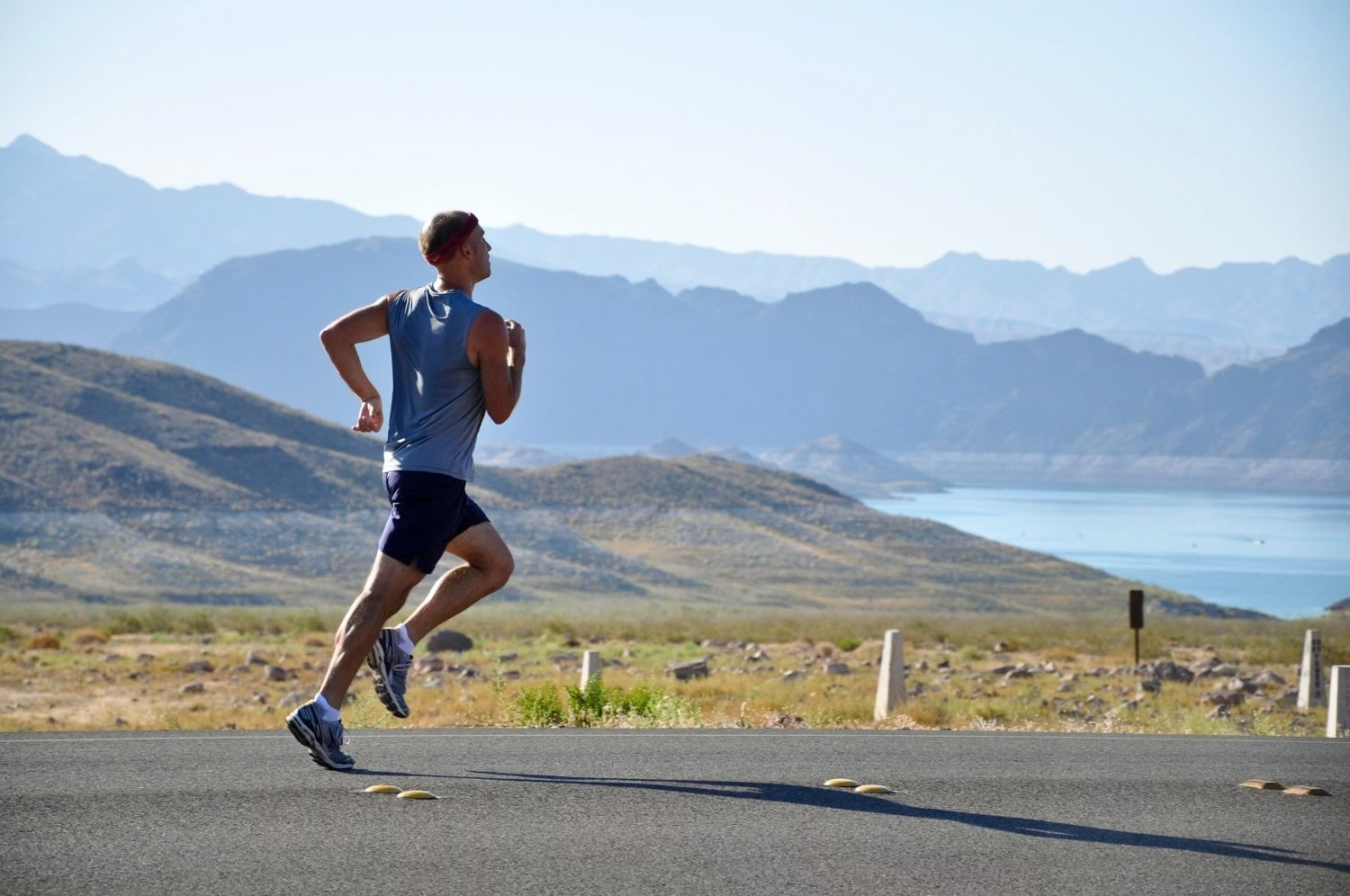
After completing your workout, gradually decrease the intensity of your activity rather than stopping abruptly. For example, if you’ve been running, try slowing down to a gentle jog for a few minutes, then a brisk walk for the next few minutes, followed by a regular walking pace for the final few minutes. This reduction in intensity allows your heart rate to gradually return to its resting state.
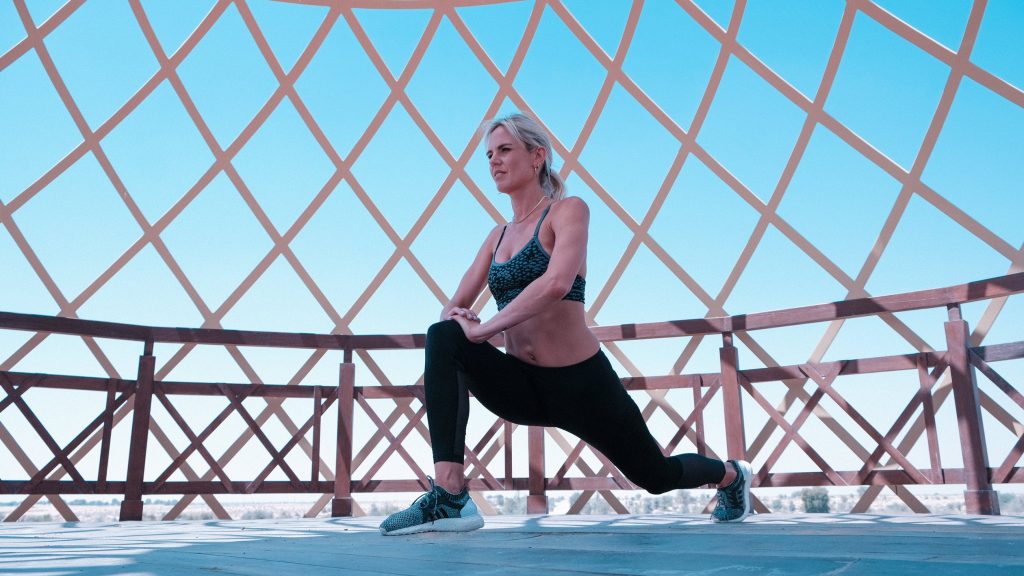
Perform Stretches
Incorporate stretches that target the major muscle groups used during your workout. Post-workout stretches use controlled movements that take your muscles through a gentle range of motion, helping to improve flexibility and mobility while promoting blood flow to the muscles.
Hydrate and Refuel
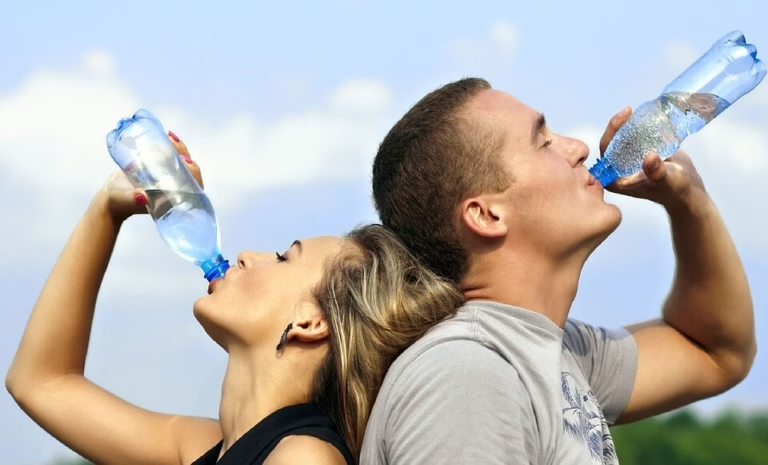
Replenish lost fluids and nutrients by hydrating and refuelling your body post-exercise. Drink plenty of water to replace fluids lost through sweat, and consume a balanced snack or meal containing carbohydrates and protein to support muscle recovery and repair. Having a snack also helps replace electrolytes lost through sweating.
Listen to Your Body
Pay attention to how your body feels during the cool down process. If you experience any unusual pain, discomfort, or signs of fatigue, it’s essential to listen to your body and adjust your cool down accordingly. Avoid pushing through pain or overexerting yourself, as this can lead to injury.
Make it a Habit
Lastly, make cooling down a non-negotiable part of your post-workout routine. Just as you wouldn’t skip warming up before exercise, prioritise cooling down to ensure your body receives the care it needs to recover properly. Make it a regular habit and you’ll get the rewards of improved performance, reduced injury risk and enhanced well-being.
Supporting your body’s natural recovery processes
Cooling down properly after exercise is essential for ensuring your body can recover properly after exercise. Skipping this important step can have negative consequences, from increased injury risk to impaired performance and compromised mental well-being.
It’s not just about the workout itself but also how you treat your body afterwards. Cooling down only takes a few more minutes after your main workout and makes a huge difference to how effective your exercise session is.
So take the time to cool down properly, stretch, hydrate and refuel. Your body will thank you with better recovery and long-term fitness gains.
Do you have a regular cool down routine?
Have you experienced negative effects from not cooling down properly?
Share your thoughts and tips on cooling down in the comments.


Leave a Reply