Gym Etiquette
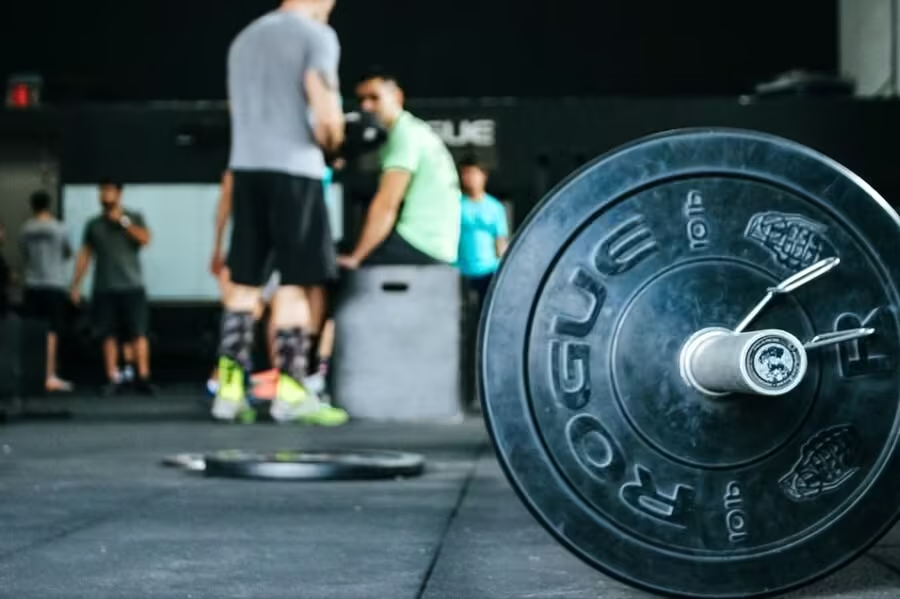
Walking onto a busy gym floor for the first time can be daunting. Feeling a bit out of place is completely normal and everyone’s been there. Getting a handle on how the weights room functions is the quickest way to find your feet so you can train with total confidence.
Gym etiquette isn’t about rigid, arbitrary rules. At its heart, its about team work and mutual respect. Everyone is sharing a tight space. It’s natural that everyone wants to keeping training momentum high and everything running smoothly.
Getting these basic habits down will help you beat any first-day nerves so you can focus entirely on your training and smashing your goals.
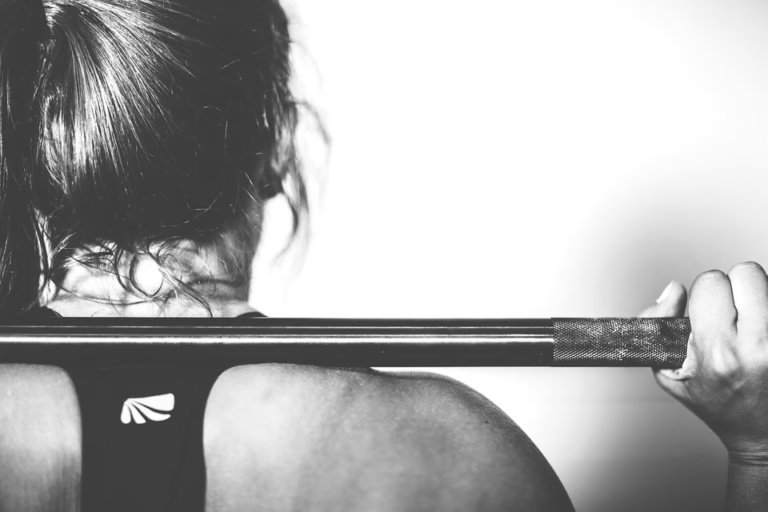
Header image: Pexels
The Basics of Sharing Space
- Put Your Weights Back: The golden rule of the gym floor is simple. If you are strong enough to lift it, you are strong enough to put it away. A great habit to build is leaving your station completely clear when you finish an exercise. Putting your dumbbells back on the rack and taking heavy plates off a barbell ensures the next lifter doesn’t have to clean up before they can start their set.
- Give the Rack Some Room: When you grab your dumbbells, try to take three steps backward away from the mirror before starting yours sets. This keeps the pathway clear and ensures other lifters can easily reach the weights they need on the rack.
- Wipe Down Your Equipment: Hard training means breaking a sweat. To keep the kit fresh for the next person, use the provided gym spray and paper towels (or your own small gym towel) to give the benches, handles and seats a wipe down once your final set is done.
The Logistics of Working In
If someone is using a machine you need, there’s no need hover nearby awkwardly or skip those exercises. Most lifters are incredibly friendly and happy to share. Once they finish a set, simply step up and ask if you can work in with them between sets. It’s easy to take turns moving the weight pins while the other person takes their rest.
When you “work in” with someone, it’s good etiquette to reset the weight stack pin or barbell load back to the setting they were on before you stepped up. It helps keep their restarts smooth.
The weights room is a shared space, so keeping your rest periods focused helps keep things moving.
Taking a quick look at your phone to log your weights or change a track is standard practice, but sitting on a machine scrolling through social media for five minutes while others are waiting is bad form. Staying mindful during busy peak hours ensures everyone gets a great session in.
The same team-first mindset applies to setting up your exercises. While running complex circuits that string multiple exercises together is a great way to boost your conditioning, but doing so can inadvertently lock down multiple stations at once.
During busy peak hours, sticking to one or two main movements at a time keeps your own training intensity high without accidentally hoarding shared gym floor equipment from other lifters.
Respecting the Lifting Zone
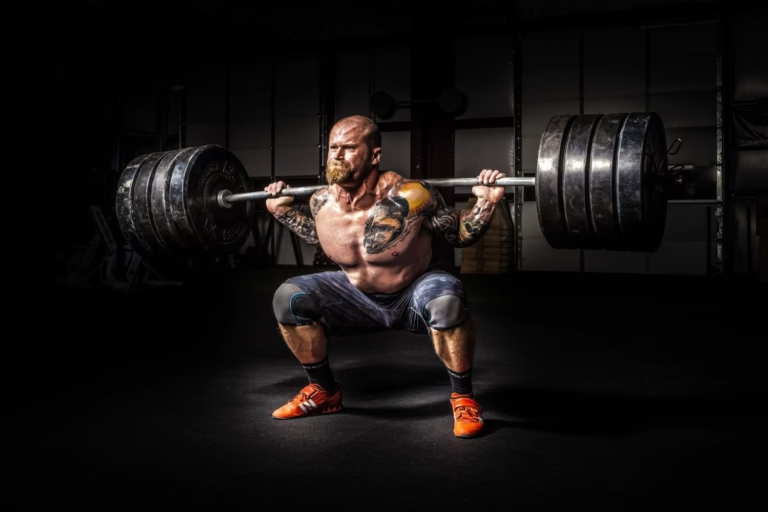
- Watch the Line of Sight: When someone is performing a heavy, high-focus movement like a barbell squat or a deadlift, they rely on the mirror to check their balance and form. Try avoid walking directly between them and their mirror reflection until they safely rack the weight.
- The Squat Rack Rule: The squat rack is the ultimate safety net for heavy compound lifts that require a safety cage, such as squats, overhead presses or lunges. Save the rack for these big moves and handle exercises like bicep curls out on the open floor.
- Handling Advice: The gym community is highly supportive and loves to see others progress, but uninvited coaching tips can sometimes break a lifter’s mental focus. It’s best to avoid giving technique tips or coaching to other gym-goers unless someone is about to seriously hurt themselves. And if someone offers you unwanted advice out of nowhere, a friendly “Thanks, I’m following a specific training programme at the moment” is an easy and polite way to get back to your workout.
The Unspoken Headphone Code
Modern training culture relies on personal audio to signal focus boundaries on the floor. When a lifter has both earbuds firmly in, it is the universal gym signal for absolute concentration. It essentially means, “I am locked into my zone, so please don’t disturb me unless the building is on fire.”
Conversely, someone training with one earbud out is usually completely open to quick logistical questions, such as asking how many sets they have left or if you can borrow a nearby weight plate.
However great your musical taste might be, it’s standard practice to keep your personal music, podcasts or videos inside your own headphones.
Playing your playlist out loud through your phone speaker or a portable Bluetooth speaker on a shared gym floor brings bad gym karma. It also breaks everyone else’s concentration. Keeping it personal allows everyone to focus on their own motivational audio (Eye of the Tiger, anyone?)
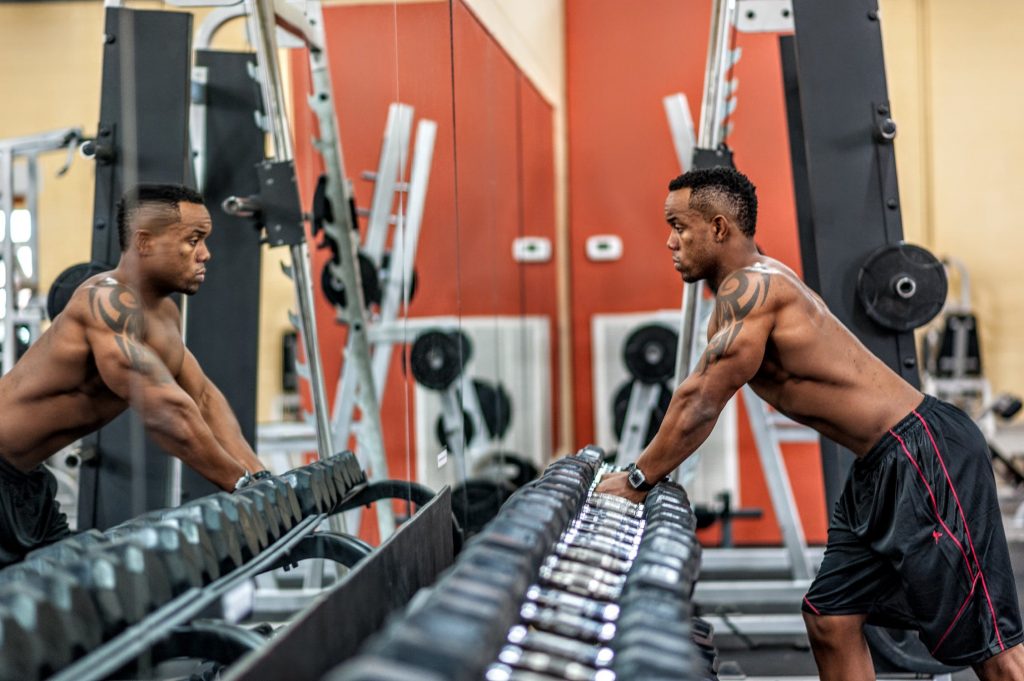
Dumbbell rack. Image sourced via Pexels.
Camera & Filming Etiquette
Filming your lifting sets is a useful tool for analysing your technique and catching hidden form mistakes. When setting up your phone, just do a quick double-check to ensure your camera angle isn’t accidentally catching other members training in the background without them knowing.
To keep the gym floor accessible for everyone, try to keep your recording setup compact. Minimising the use of tripods or extra gear in high-traffic pathways prevents trip hazards when people are walking by with heavy iron.
If someone accidentally steps into your video frame mid-set, try not to sweat it. The weights room is a fast-moving environment and people are usually focused on their next lift. If you need a completely clear shot for a critical form check, it’s a good idea to time your filming for off-peak hours.
Kit & Personal Hygiene Customs
Bringing a clean training towel along to lay across benches or machine backrests is a good habit to get into. It creates a comfortable barrier for your skin and keeps the kit pristine for the next person who steps up.
Keeping the floor safe is all about organising your training gear. Tucking your water bottle, gym bag and lifting belt neatly underneath your bench or inside your immediate lifting platform keeps the pathways clear, preventing anyone from catching their foot on a stray strap.
Finally, solid footwear and hygiene are the foundations of a safe, welcoming gym atmosphere. Training barefoot or in open-toed sandals is a major safety hazard in a weights room. Wearing athletic trainers or flat-soled lifting shoes protects your feet and gives you a stable grip on the floor.
Throwing on freshly laundered kit and applying deodorant before you hit the gym floor ensures you feel fresh, confident and ready to train hard.
Pick Your Progression
Select Your Setup: Ready to hit the gym floor? Decide where to start your training journey by reading our comparative deep dives into the layouts of Free Weights and Weight Machines.
Gym Floor Coordination: Pair your knowledge of gym customs with our complete master breakdown on how to work safely with a partner in our full guide to Spotting.
Training Safety: Take your floor preparation to the next level by ensuring your physical form is just as polished as your etiquette in our guide to Injury Prevention and Safety.
💬 Join the Weight Room Chat
Getting a handle on the unwritten rules of the gym floor is a massive confidence booster for any lifter. We want to hear about your experiences navigating the gym environment:
- What was the single most intimidating thing about the weights room on your very first day in the gym?
- Is there an unwritten gym rule or piece of weight room etiquette you think we missed in our guide?
- How do you prefer to handle sharing equipment or working in with someone during a busy training session?
- Have you ever had to deal with uninvited training advice from a stranger, and how did you handle it?