Why Lift Weights?

The answer to the question “why lift weights?” is simple: strength training benefits everyone. It drastically improves your health, fitness and physical capability, which positively impacts every single area of your life.
The advantages of weightlifting extend far beyond aesthetics. It enhances physical resilience, increases functional movement capabilities and drastically boosts mental well-being.
No matter your age or current fitness level, consistently lifting weights will make a real impact on your body, your confidence and your daily routine.
It’s not just about bodybuilding or bulking up. It’s about becoming more resilient, both physically and mentally. Once you commit to a routine, the results will speak for themselves. Whether you’re looking to enhance athletic performance, improve mobility or simply feel stronger in day-to-day activities, these advantages are universal.
As you gain strength, you also enhance bone density, improve your posture and develop better balance – all of which are important factors for long-term health.
Plus, lifting weights regularly significantly increases your metabolic rate, helping you maintain a healthy weight while improving muscle tone and physical endurance.
There are so many benefits of weightlifting that once you start, you will never look back!
Header image: Pixabay
4 Ways Weightlifting Transforms Your Daily Life
Ultimately, weightlifting is a complete game-changer in how you look, feel and perform. When you commit to a routine, you will quickly notice distinct physical shifts:
- Your body will look significantly leaner and firmer.
- Your clothes will fit better and drape more comfortably.
- Your day-to-day health markers will improve.
- Everyday physical tasks will become much easier to complete.
Let’s take a closer look at the exact mechanisms behind these changes:
More Lean Muscle: Weightlifting is key to building lean muscle, which not only transforms your physique but boosts your metabolism, helping you burn more calories at rest. As muscle mass increases, your body naturally becomes more sculpted and defined.
Better Body Composition: Strength training reduces body fat while increasing muscle mass. This creates a more toned, athletic body composition without having to follow extreme diets or cardio routines.
Improved Daily Function: Strength training enhances functional fitness, making everyday activities like lifting shopping bags or climbing stairs easier and safer. This practical benefit is one that’s often overlooked but is one of the most significant and rewarding.
Better Sports Performance: Regardless of the sport you play, lifting weights can improve your performance. Whether it’s increasing explosive power for sprinting, improving stability for gymnastics or developing endurance for swimming, weight training enhances athleticism by strengthening the muscles you use most.
From training for bodybuilding aesthetics, powerlifting competition, functional strength, weight loss, or simply long-term health, your own goals will determine your training routine, so that you achieve the results you want.

Cable Triceps Extension. Image sourced via Unsplash
Weightlifting as Antidote to Ageing
As we age, the human body naturally begins to lose muscle mass over time. This is a medical process known as sarcopenia.
This decline leads to a higher body fat percentage and a slower metabolic rate, often contributing to a less toned appearance and reduced mobility.
Weightlifting is the ultimate antidote. A well-structured training routine helps you actively preserve and rebuild critical muscle mass as you get older.
In fact, by incorporating consistent strength work into your fitness plan, clinical reviews archived by the National Institutes of Health show you can slow age-related muscle loss by as much as 40%. This preservation is crucial for maintaining posture, independent movement and a leaner body as the decades pass.
Weightlifting is also proven to increase bone density, significantly reducing the risk of osteoporosis and fractures.
Another common issue as metabolic rates slow down with age is the development of stubborn abdominal fat. Weightlifting directly counteracts this by promoting systemic fat loss while strengthening your deep core muscles, leading to a flatter, more supportive and toned torso.
This protective effect is a massive reason why resistance training belongs in everyone’s routine, especially as we get older.
Medical and Mental Health Benefits of Lifting
The health benefits of weightlifting extend far beyond muscle tone. Regular training acts as a powerful preventative medicine, influencing several areas of well-being:
Reduced Stress: Heavy exercise helps regulate cortisol levels, the body’s primary stress hormone. As documented by experts at Harvard Health Publishing, this biochemical regulation results in better stress management and a calmer mind.
Improved Mood: Weightlifting boosts the production of endorphins, the body’s natural “feel-good” chemicals. Regular lifting helps alleviate symptoms of depression and anxiety, leaving you feeling more positive and resilient.
Heathy Heart Function: Strength training lowers resting blood pressure, improves cholesterol levels and promotes healthy circulation. Clinical data published by the American Heart Association confirms these factors reduce the overall risk of cardiovascular disease.
Lowered Disease Risks: Medical research indicates that consistent weightlifting can help lower the risk of chronic illnesses, including certain types of cancer, by actively boosting immune function and reducing inflammation throughout the body.
Stronger Bones: Lifting weights is one of the best ways to increase bone density and prevent osteoporosis, which is especially important for older women. The mechanical stress that lifting puts on your bones encourages the production of bone-forming cells.
Increased Longevity: Numerous studies have shown that maintaining muscle mass contributes to a longer, healthier lifespan by improving metabolic function, reducing inflammation and keeping chronic diseases at bay.

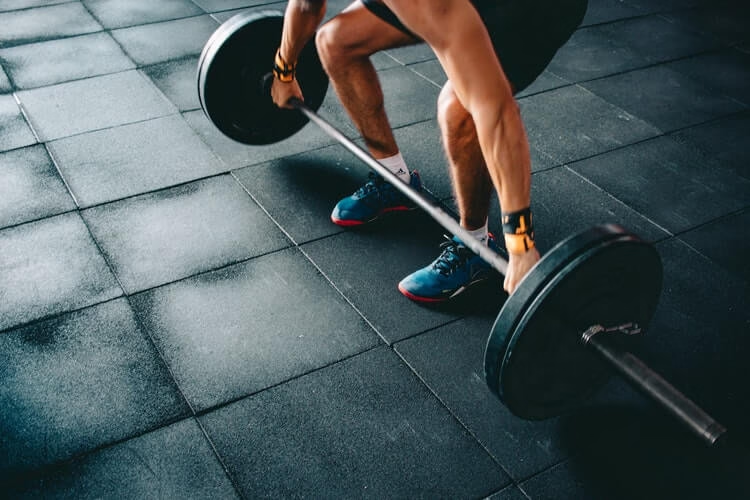
Image sourced via Pexels
Achieve Your Health Goals Through Resistance Training
There are countless individual reasons why people step up to a barbell. Whether you are chasing a sculpted physique, advanced athletic performance or improved long-term health markers, weightlifting is one of the most efficient and effective ways to achieve your goals.
Pick Your Progression
Master the Basics: Ready to move from theory to execution? Discover the foundational movements every lifter needs in our comprehensive compound lifts guide.
Protect Your Body: Lifting is incredibly rewarding, but joint longevity requires smart habits. Learn the absolute rules of workout safety in our dedicated hub for long-term injury prevention.
Defy the Clock: You are never too old to build a robust skeleton, preserve muscle mass and secure your independence. Find targeted tips for healthy ageing in our senior strength guide.
💬 Share Your Thoughts on Strength Training
Whether you’re a seasoned lifter or just starting out, we want to hear your story. Drop a comment below:
- Do you lift weights primarily for muscle building, fat loss or just to feel stronger in your everyday life?
- What is your favourite lifting exercise or training style?
- What has been the single biggest change in your physical health or mental well-being since you started lifting?
- How have your personal gym goals evolved since the very first day you picked up a weight?
- For those completely new to strength training, what is your best piece of advice for getting started?




Leave a Reply