Last Updated on October 22, 2026
Every intense leg day comes with a price to pay over the following days. Stairs feel like an Olympic sport and just getting to the kitchen to put the kettle on turns into an exercise in pure willpower.
In these situations, it is natural to want to ignore your dumbbell set, surrender to the sofa and keep the exercise to the absolute minimum. However, this isn’t necessarily the best way to fight muscle soreness. This is where active recovery comes in.
Introducing active recovery to your training plans can mean that Delayed Onset Muscle Soreness, or DOMS, disappears faster.
Header image: Pixabay
What is DOMS?
Before we look at how to help reduce DOMS, it is useful to look at what this is and what causes it.
Much like a typical boss, Delayed Onset Muscle Soreness (DOMS) turns up after all the hard work is done and can ruin your day. The latest research suggests that it is caused by the damage to the muscle fibres following strenuous or unaccustomed activity, particularly eccentric exercises. DOMS is at its worst in the two days following the activity.
What is Active Recovery?
Rather than retreat to a bath with a book or embark on a sitcom binge on the sofa, you can help with the DOMS by employing some active recovery.
Active recovery is any form of low intensity exercise that you perform on your days off, or after a workout, as a way to increase blood flow to the muscles and reduce muscle soreness.
How does active recovery benefit your training?
As the soreness is caused by microtears in the muscle fibres, the best way to heal these is to promote blood flow to the area. When you do light exercise, it promotes blood flow to these muscles which can reduce inflammation and promote healing.
It also removes lactic acid that gives that burning sensation in your muscles when you’re struggling during a workout.
Another reason to implement active recovery into your programme is because it can improve cardiovascular health. When taking part in an active recovery exercise, your heart rate should remain low and you should be able to hold a conversation.
But that doesn’t mean that the exercise won’t improve your endurance and cardiovascular health. Often elite runners will use a jog as an active recovery session, which will still contribute to their overall training.
Although a jog might be more of an intense session for some people, you can choose a walk or a hike as an alternative to suit your fitness level. As long as the heart rate is slightly elevated and you are moving, it is a form of active recovery.
Examples of Active Recovery
Walking
Walking is one of the best examples of active recovery because it’s free and it’s one of the most accessible to the majority of people. You can also tailor the intensity depending on the amount of time walking and whether or not there is any elevation.
Swimming and Cycling
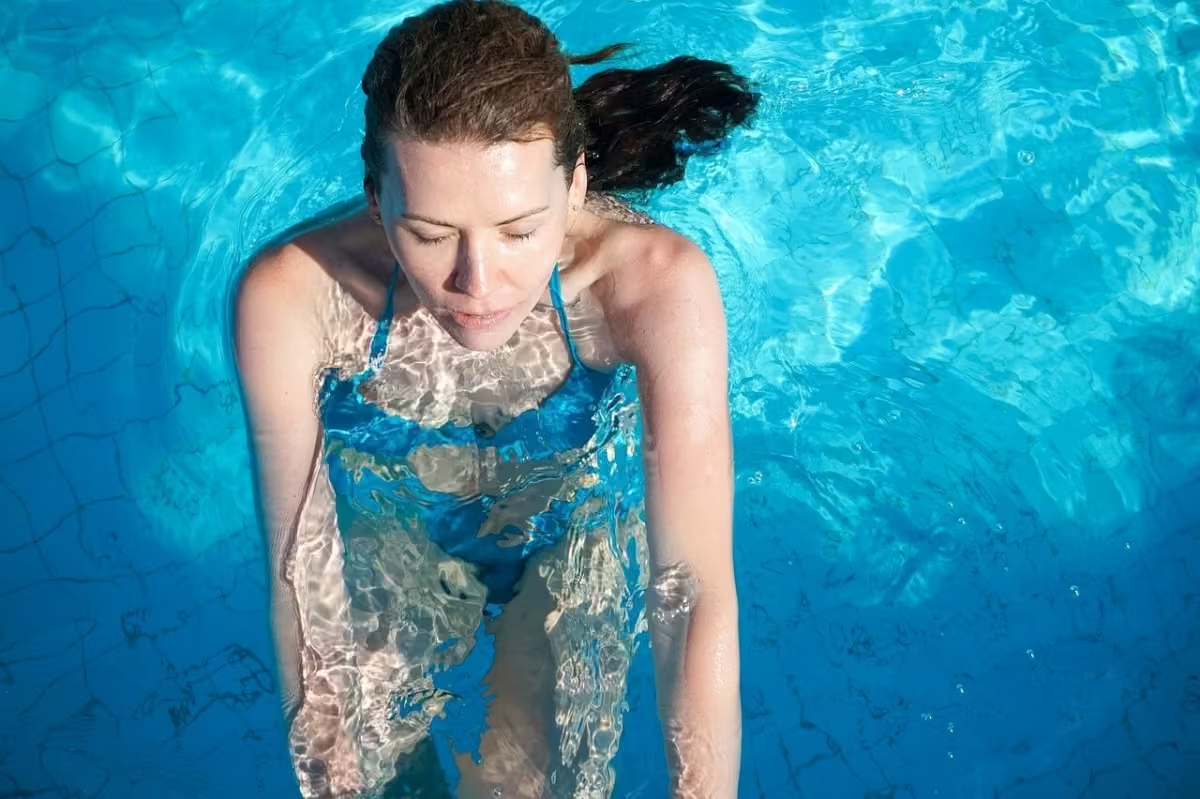
Both swimming and cycling are activities that can be used as an active recovery, as long as you remain at a steady pace and it doesn’t feel strenuous. Most forms of steady-state cardio such as Low-Intensity Steady-State Exercise (LISS) workouts are suitable for active recovery.
Yoga
Yoga is a practice that helps to stretch the muscles and ligaments and improve flexibility, making it a great post workout/active recovery session. Try restorative yoga classes, such as hatha and yin that are often slower and targeted towards recovery and mindfulness. Grab your exercise mat and start stretching.
As well as yoga, mobility and stretching sessions can also play a vital role in active recovery. This can come in the form of mobility drills, foam rolling or stretching for 15-20 minutes, either post training or as a separate session.
Next time you’re feeling stiff after a workout, remember that Netflix might sound appealing, but it may not be the best way to recover. However, you have to remember to listen to your body. Although it is important to incorporate active recovery into your routine, sometimes your body needs a complete rest from exercise.
How do you approach recovery days?





Leave a Reply