
Last Updated on October 24, 2026
The World Health Organisation has classified bacon, ham and sausages as carcinogenic. That innocuous ham sandwich or sausage roll has been placed into Group 1, which is same evidence category as cigarettes and alcohol.
However, it’s important to note this classification relates to the strength of scientific evidence, not the level of risk. Eating processed meat carries a much lower absolute risk of developing cancer than smoking. Still, it’s a list of foods we should all consider cutting back on.
1. Processed Meat and Red Meat
Cancer Research UK notes that around a quarter of bowel cancer cases in men, and around a sixth in women, are linked to eating red or processed meat.
These foods contain a pigment called haem, which studies suggest could damage the cells lining the bowel.
Processed meat (including ham, bacon, salami and sausages) is often packed with fat and salt, while it also frequently contains nitrates, which are linked to bowel disruption.
The WHO’s International Agency for Research on Cancer (IARC) categorises agents into different groups according to how certain we are that they can cause cancer.
Red meats (e.g. beef, pork and lamb) are Group 2A carcinogens, defined as ‘probably carcinogenic to humans’.
While we don’t need to panic, it might be sensible to cut back on the daily sausage sarnies.
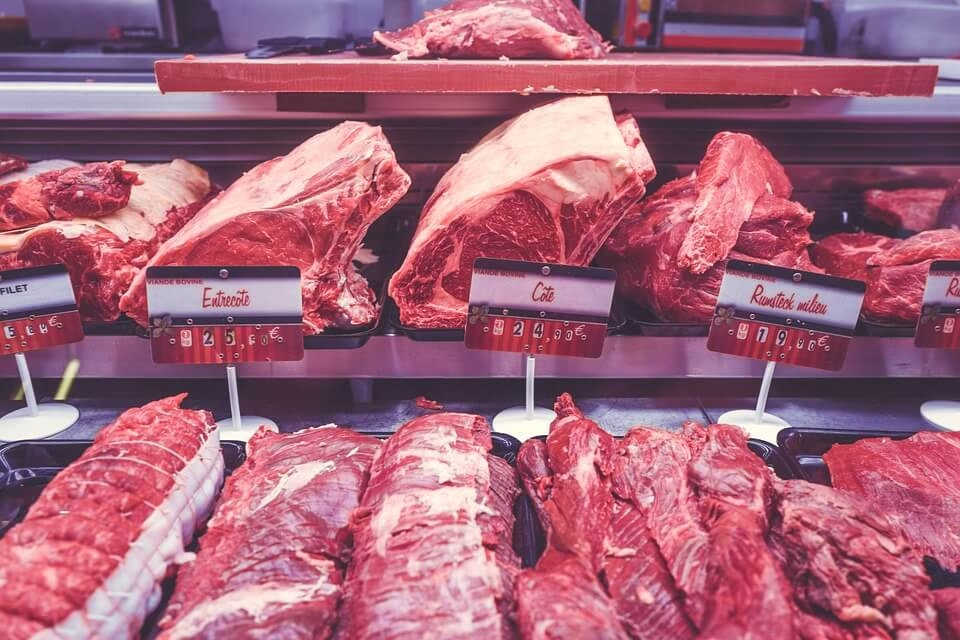
Image sourced via Pixabay.
2. Microwave Popcorn
If you love a movie night snack, you have likely heard rumors about microwave popcorn.
Historically, the non-stick coating on the inside of the bags was made using certain grease-proofing chemicals (known as PFAS), which could decompose into a compound called perfluorooctanoic acid (PFOA).
PFOA has drawn serious scrutiny from researchers due to potential health links.
A buttery-flavouring chemical called diacetyl, previously used in microwave popcorn, made headlines when factory workers developed a rare lung condition called bronchiolitis obliterans (“popcorn lung”) from chronically inhaling its concentrated vapors in manufacturing plants.
Fortunately, the industry has evolved. The FDA confirmed that grease-proofing PFAS substances have been entirely phased out from U.S. food packaging, including popcorn bags.
Major manufacturers also removed diacetyl from their recipes years ago. If you want to be completely safe and avoid modern synthetic bag linings altogether, pop plain kernels in a lidded pot or a glass bowl on the stove! It’s cheaper, healthier, and just as delicious.

Image sourced via Pixabay.
3. Canned Foods, Especially Tomatoes
BPA (Bisphenol A) is an industrial chemical historically used to coat the inside of metal food tins to prevent corrosion.
Because it structurally mimics the hormone estrogen, global health researchers have raised red flags about its long-term impact on hormone health, metabolic function and certain types of cancer.
Essentially, a regular food can become exposed to these chemicals simply by absorbing them from the lining of its container.
Tomatoes are often singled out in this category because of their high natural acidity. The acids in tomatoes can actively break down the plastic lining of standard metal cans over time, causing BPA to migrate more easily into the food itself.
While regulations vary (the European Commission has introduced a sweeping ban on BPA in food contact materials, while the U.S. FDA continues to evaluate its safety profile) many global manufacturers have voluntarily shifted to BPA-free linings.
To cut your exposure, keep an eye out for labels explicitly marked “BPA-Free” or look out for soup and chopped tomatoes in tetra packs or glass jars instead of standard tins
4. Cola and Other Fizzy Pop
Loaded with refined sugars and additives, regular fizzy pop is a major driver of metabolic health issues, tooth decay and weight gain.
While old internet rumors claim that acidic drinks make your whole body acidic, creating a perfect home for illness, medical science shows this isn’t true.
Your body tightly regulates its own internal pH regardless of what you drink. However, the sheer volume of sugar in regular sodas can lead to chronic inflammation and insulin resistance, which are heavily linked to elevated long-term health risks.
The caramel coloring used in many traditional colas has also drawn scrutiny from health watchdogs because its manufacturing process can produce a byproduct called 4-methylimidazole (4-MeI).
The WHO’s International Agency for Research on Cancer (IARC) keeps 4-MeI on its Group 2B list as a possible carcinogen based on laboratory studies.
If you are guzzling dark-colored sodas every day as your main source of hydration, it is definitely a smart move to cut down. Swapping them out for sparkling water with a squeeze of fresh lime is an excellent way to transition away from the sweet stuff.
As for diet drinks, while mainstream media headlines often sound scary, major health regulators like the European Food Safety Authority (EFSA) and the U.S. FDA maintain that approved artificial sweeteners are perfectly safe for the general public when consumed within normal daily limits.
Still, keeping your daily drinks clean, natural and minimally processed is always the gold standard for long-term health.
Fruit juice , anyone?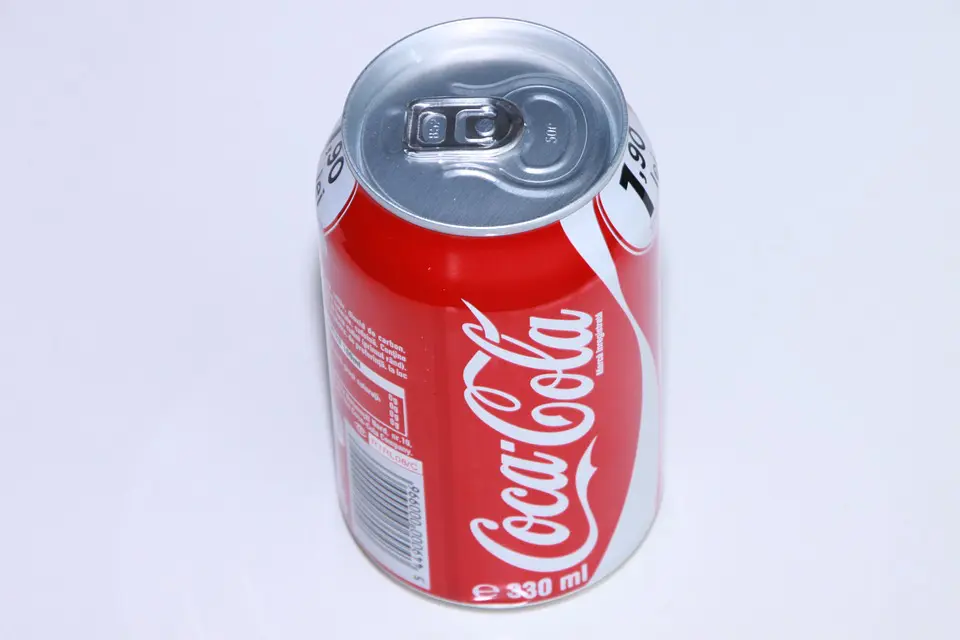
5. Refined White Flours and Sugars
Ultra-processed foods are frequently packed with high-fructose corn syrup (HFCS) and heavily refined sugars.
Consuming massive, frequent spikes of these simple sugars causes your insulin levels to surge, providing a rapid source of metabolic fuel that can drive systemic inflammation throughout the body.
To optimise your health, it is wise to moderate your intake of shop-bought cakes, pancakes, pies, cookies, sweet biscuits, muffins and traditional pancakes made with heavy refined ingredients.
White flours are ubiquitous in standard factory snacks and possess an incredibly high glycemic index, meaning they behave just like simple sugars in the bloodstream.
A landmark study evaluating dietary patterns, published in the peer-reviewed journal Cancer Epidemiology, Biomarkers & Prevention, highlighted that high, long-term consumption of these heavily refined carbohydrates was associated with a significant increase in breast cancer risk among specific cohorts.
The clear takeaway here is that wholemeal options, such as oats, quinoa and whole grains, will always trump heavily stripped white flours. So, swap out the standard biscuit tin for clean, nutrient-dense whole foods to keep your metabolism humming and your body protected!

So there we have the top 5 cancer-causing foods, according to the WHO.
Depressed yet? Have no fear, there are many fantastic health boosting foods out there ready to fight the carcinogens and off-set the damage done by the above list.
Look out for our next blog post, which will introduce some of the best cancer-fighting foods.
References
American Lung Association (2016). “Popcorn Lung: A Dangerous Risk of Flavored E-Cigarettes”. American Lung Association.
Cwienk, J. (2026). “EU ban on BPA chemical in food packaging takes effect”. Deutsche Welle
European Commission (2024). “Commission adopts ban of Bisphenol A in food contact materials.” European Union Official Newsroom
FDA (2024). “FDA Announces PFAS Used in Grease-Proofing Agents for Food Packaging No Longer Being Sold in the U.S.”. FDA Official Site
FDA (2023). “Bisphenol A (BPA)”. FDA Official Site
Fuel Your Physique Safely
Don’t let hidden processing traps slow down your gym progress. Discover the best movement patterns and dietary habits to support your fitness goals:
- Reveal Hard-Earned Definition: Learn how to strip away fat safely while preserving lean muscle tissue in our Fat Loss & Body Composition Guide.
- The Ultimate Wellness Antidote: Explore the comprehensive medical, metabolic and heart-health benefits of resistance training in Why Lift Weights? 10 Massive Health Benefits.
- Ditch the Morning Sluggishness: Optimise your training energy and align your sleep schedule with our practical guide on How to Get Up Early – and Feel Great.
💬 Join the Discussion: Cleaning Up Your Routine
Navigating grocery store shelves can be tricky, but making mindful adjustments to your diet pays massive dividends for your long-term health. Let’s hear from you:
- Simple Swaps: Have you successfully cut back on processed meats or fizzy sodas? What did you replace them with?
- Movie Night Alternatives: What is your favourite healthy alternative to standard microwave popcorn on movie night?
- Can Clean-Out: Do you actively look for “BPA-Free” or glass-jar alternatives when buying ingredients like chopped tomatoes?
- The Next Step: Head over to our companion guide to discover the 5 Cancer-Protective Foods to Add to Your Meal Prep and keep your nutrition plan on the right path!
Medical Disclaimer: Health information on this site is for educational use only. Please read our full medical disclaimer and consult with a qualified healthcare professional before altering your health, fitness or dietary routine.




Leave a Reply