Last Updated on November 5, 2026
If you want to recover faster from a workout, the secret isn’t another supplement – it’s your lymphatic system. Lymphatic drainage massage is a simple way to speed up recovery, reduce inflammation and boost your results.
Lymphatic drainage massage encourages the movement of lymph fluid through the body. It is an effective way to help your body clear waste, reduce inflammation, improve circulation and recover faster after workouts. When paired with strength training, it can speed up recovery, reduce muscle soreness and promote better performance.
Read on to find out what the lymphatic system does, how lymphatic massage works and how you can add it to your strength training routine. We’ll give you a step-by-step guide for self-massage and outline the Big 6 points to target key areas of the body.
Header image: Pixabay
What is the Lymphatic System?
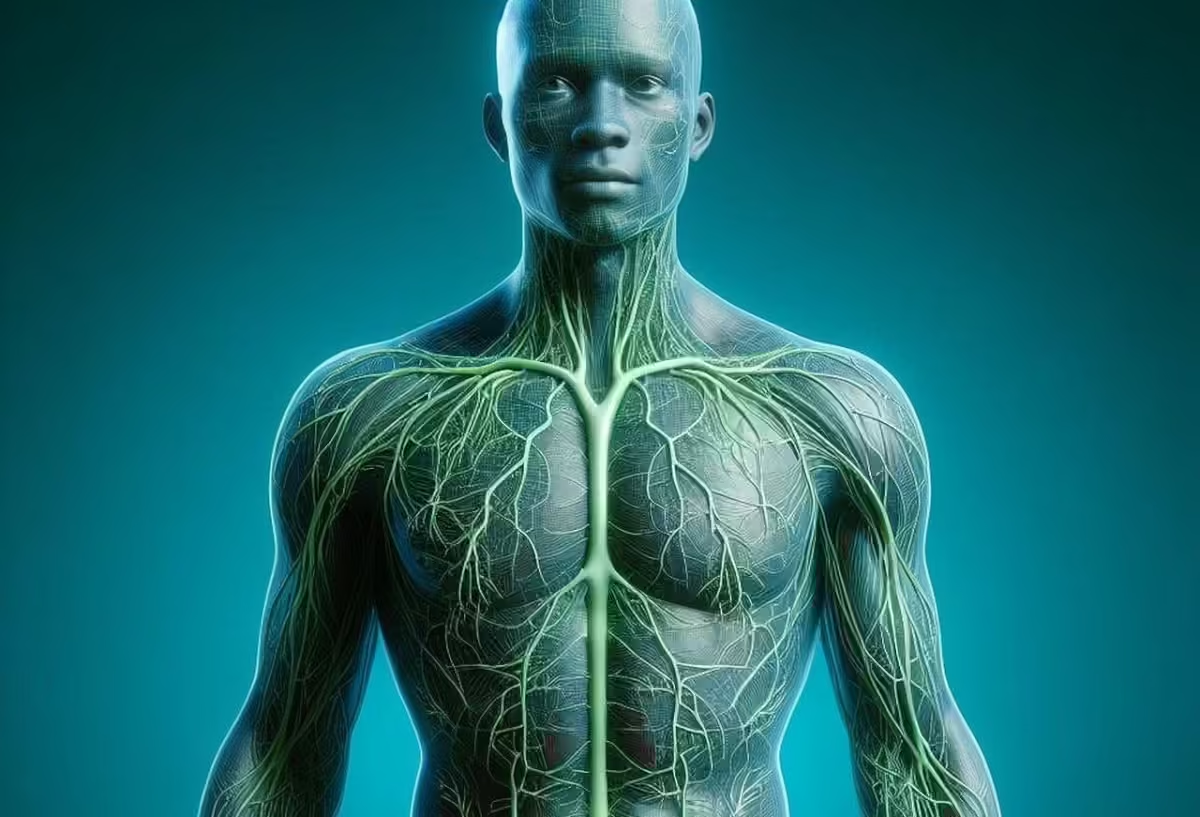
The lymphatic system is a network of vessels and nodes that runs throughout your body. It’s similar to your circulatory system, but instead of moving blood, it moves a clear fluid called lymph.
Lymph carries white blood cells (for immune defense), proteins, fats, cellular waste and excess fluids. It also filters out bacteria, viruses and toxins through lymph nodes, which are small, bean-shaped filters found in clusters (like your neck, armpits and groin).
Lymph moves slowly through your body, but unlike blood, it doesn’t have its own pump. It moves via muscle movement, breathing and body motion. When you’re sedentary, such as when sitting at a desk or sleeping, your lymph flow can slow down. That’s where manual drainage comes in.
What Is Lymphatic Drainage Massage?
Lymphatic drainage massage is a gentle technique that uses light, rhythmic strokes to move lymph toward key drainage points in the body. The lymph nodes are just beneath the skin, so you don’t need to press hard to massage them (in fact, pressing too hard can actually block lymph flow).
The goal of lymphatic drainage massage is to clear blockages, stimulate lymph nodes, encourage flow and help your body flush out waste.
Gentle massage to move lymph is common in medical settings to help with swelling after surgery, but it’s just as useful for active people looking to recover faster from workouts.
How to Incorporate Lymphatic Drainage Massage into Your Training Routine
Every time you lift, your muscles go through micro-trauma, which creates tiny tears that trigger inflammation. That’s normal. But if your lymphatic system is backed up or sluggish, that waste can linger and slow down your recovery.
This is where lymphatic massage comes in. Using this simple massage technique can:
- Speed up recovery by clearing out waste
- Reduce DOMS (delayed onset muscle soreness)
- Relieve joint or tissue swelling after intense sessions
- Improve circulation for faster nutrient delivery
- Support immunity, which can dip during times of heavy training
- Help mobility and flexibility, reducing fluid buildup
You might notice less muscle tightness, lighter limbs and higher energy levels if you make it part of your routine.
Lymph Massage Before or After Your Workout?
The timing of lymphatic drainage massage relative to your workout depends on your goals. Massaging before and after a workout offer unique benefits. You can also do the massage on rest days.
Benefits of massage before your workout:
- Helps reduce any feelings of heaviness
- Gets lymph and blood moving
- Can support joint mobility and warm-up
- Good mental check-in with your body before you train
Start your workout with a gentle lymphatic drainage massage to stimulate your system. Lightly massaging key areas can serve as a gentle warm up for the body, help activate the flow of lymph fluid, promoting better circulation and mobility during your workout.
Benefits of massage after your workout:
- Helps clear metabolic waste and lactic acid
- Supports the healing process
- Reduces swelling and soreness
- Can help shift your nervous system into rest mode
After strength training, your muscles need time to recover. Incorporating lymphatic drainage can reduce the amount of waste products, like lactic acid, that build up in your muscles during exercise. Use a combination of massage and breathing techniques to ease muscle tension and speed up the removal of toxins.
Doing the massage after your workout can also reduce swelling and improve circulation, assisting the body’s natural recovery process by eliminating toxins via the lymphatic system.
You could incorporate lymphatic drainage both before and after your workout to maximise benefits, especially if you’re working out frequently.
Benefits of massage on rest days:
Lymphatic drainage is also a great tool for rest days. It can help maintain optimal circulation and promote healing in the muscles. It also helps keep things moving if you’re feeling stiff, bloated or inflamed.
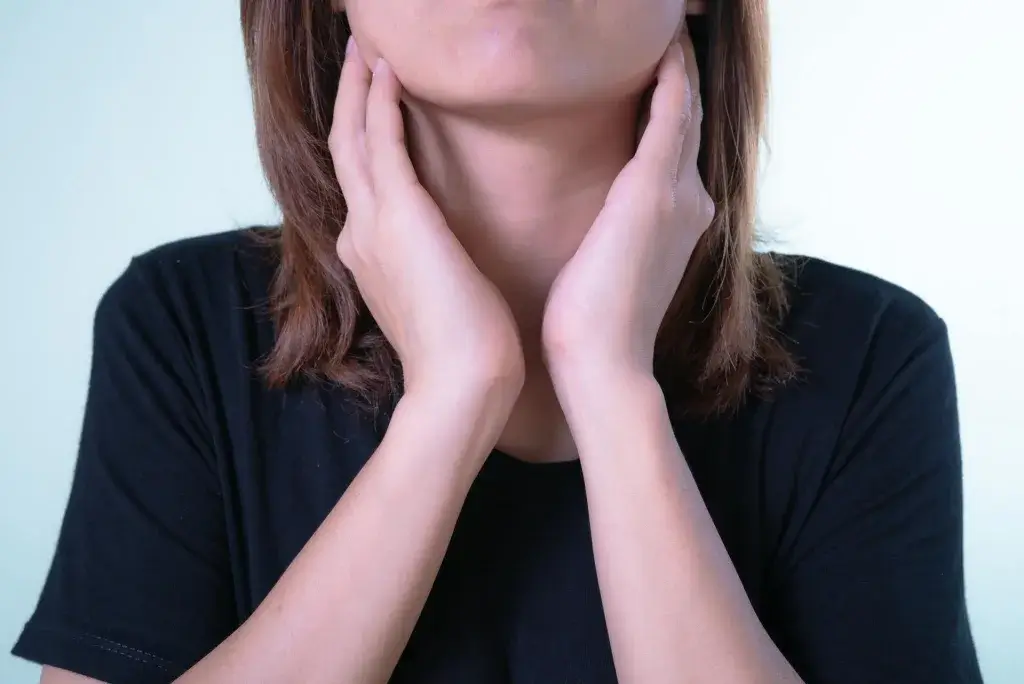
Image sourced via Pexels
Step-by-Step Guide to Self-Lymphatic Drainage Massage
Lymphatic drainage massage doesn’t require any equipment. You can just use your hands, some lotion or oil, and the right technique.
There are six main places where your body filters lymph through large clusters of nodes. Massaging these areas helps “clear the path” so lymph can drain more easily from everywhere else.
Follow this step-by-step guide for self-lymphatic drainage, focusing on the “Big 6” points.
Big 6 Points in Lymphatic Drainage:
These six points correspond to the main lymph nodes in your body:
1. Collarbone area (Clavicle)
The clavicle is a major drainage point where the lymph fluid flows towards the venous system. This is also called the terminus.
- Aim for the space of soft skin just above your collar bones
- Starting in the centre, slide fingers outward towards shoulders, then back to the centre
- Repeat 10 strokes on each side, followed by gentle tapping
- This collarbone area is the key exit point for lymph fluid, often called the “terminus“. This is the final drainage point where lymph fluid returns to the bloodstream via the subclavian vein.
2. Sides of Neck (Cervical Lymph Nodes)
The cervical lymph nodes help drain the head and neck area.
- Lightly place fingertips just below your ears
- Gently sweep down the side of your neck toward the collarbones
- Do 10–15 soft strokes per side, followed by some gentle tapping
- This kickstarts the process by clearing the upper drainage channels, helping lymph move towards the terminus
3. Underarms (Axillary Lymph Nodes)
The underarms contain a large cluster of lymph nodes, which play a vital role in fluid drainage from the arms and chest.
- Cup your hand into your armpit
- Use a light pumping motion then use your fingertips to massage in a circular motion around your underarm area, both in front and under the armpits.
- 10–15 pumps and circles per side
- Stimulates the axillary lymph nodes, which handle the upper arms and chest
4. Abdomen (Abdominal Lymph Nodes)
The abdomen houses lymph nodes that help drain fluids from the lower body.
- Rest hands on your belly
- Make slow clockwise circles (the same direction as digestion)
- 20–30 seconds of gentle pressure, ending with upwards sweeping towards the terminus
- Helps with deeper lymph flow, digestion and bloating
5. Inner Thighs and Groin (Inguinal Lymph Nodes)
The groin area contains lymph nodes that help drain fluids from legs.
- Gently massage your inner thighs with upward strokes from the knees towards your groin.
- At the groin, place fingers on the crease between thigh and pelvis
- Sweep inward toward your belly
- 10–15 light strokes per side, followed by gentle tapping
- Stimulates inguinal lymph nodes that drain the legs
6. Back of Knees (Popliteal Lymph Nodes)
Lymph fluid from the lower legs is directed toward the knee area before flowing up the body.
- Slightly bend your knee to find the soft space behind
- Use your thumbs to gently pulse the area, then use fingers to slide up the back of the thigh
- 10 pumps and upward slides per side, ending with some gentle tapping
- This point drains the lower legs
After running through the Big 6 lymph points, give your arms and legs a shake for ten seconds to help get the lymph moving. This also feels invigorating, great for used as part of your warm up for a workout or first thing after getting up.
Image sourced via Unsplash
Optional Extra Massage Areas for Lymph Drainage
These are some extra areas to add to the Big 6 massage, if you’re looking to enhance fluid flow and help with overall body detox. These other areas include the inner elbow, ankles and coccyx.
The inner elbow has lymph nodes that help with the flow from the arms and forearms.
- Place your fingers in the crease of the elbow.
- Use gentle, circular motions or light sweeping strokes toward the shoulder.
- This area helps to move lymph out of the arms and toward the upper body.
The ankles are connected to lymphatic drainage from the feet and lower legs.
- Place your hands around the ankle area and use light pressure and gentle taps.
- Sweep upward from the ankle to the calf, toward the knee.
- This helps clear fluid from the lower legs and promotes drainage toward the groin and upper body.
The coccyx (tailbone) region can also support lymphatic flow for the lower back and hips.
- Use gentle, circular movements to encourage fluid to move upward toward the groin area.
- Lightly massage the tailbone area and the lower back to help alleviate fluid retention or congestion in the pelvis.
Optional Tools for Massage
You don’t need anything fancy, just your fingers, but some tools can help if you want to try them:
- Dry brushing – Great for pre-workout activation. Brush towards the terminus.
- Jade roller or gua sha – For small areas like face or neck.
- Foam roller – Can follow up a massage session with foam rolling to help fluids move.
- Cold water and sauna – These options can pair well with lymphatic drainage massage for inflammation control.
Tips for Effective Self-Lymphatic Drainage
- Use light pressure and gentle taps or pumps: The lymphatic system is sensitive, so gentle pressure at skin level is key. Avoid deep massage or forceful strokes.
- Always start at the top of the body (collarbone/terminus) and work downwards
- Focus on slow, controlled movements: This will help stimulate the lymphatic vessels and promote optimal fluid flow.
- Incorporate deep breathing: While massaging, take deep breaths to encourage relaxation and promote fluid movement.
- Stay hydrated: Drink plenty of water before and after your massage to help flush out toxins.
- Use before workouts for energy and increasing mobility.
- Use after workouts for recovery and reducing soreness.
- Use short sessions: 5 to 10 minutes is plenty – you don’t want to overwhelm the system.
Lymphatic drainage massage is simple and it works. It’s a great way to support your body’s natural recovery process, especially if you’re training hard or often. Think of it like active recovery that doesn’t require movement.
Try it for a week. Pre-workout. Post-workout. Rest day. You will probably feel lighter, looser and a little more invigorated.
Let us know how you get on!
Share your thoughts on lymphatic drainage
- Have you tried lymphatic drainage massage?
- What techniques work best for you?
- Do you prefer to use massage before or after your workout – or only on recovery days?
- Have you combined lymphatic drainage with other techniques, like foam rolling or stretching?
- What other recovery strategies do you use to support your workouts?

Leave a Reply