Weightlifting
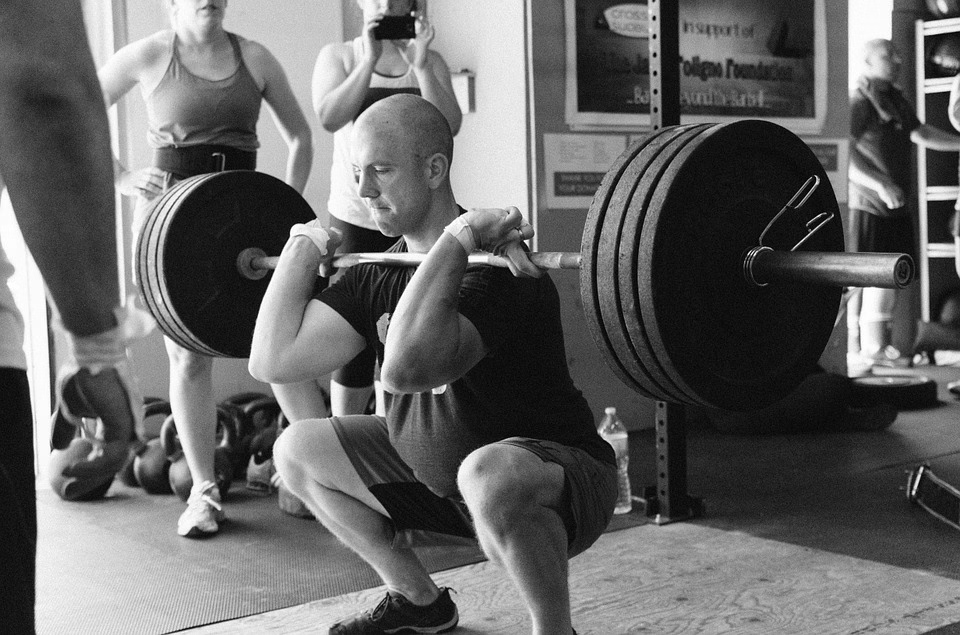
Weightlifting is the most effective way to build functional strength, increase lean muscle mass and improve lifelong physical health. It’s an ideal form of exercise for everyone and the ultimate way to improve overall physical capability.
While newcomers often ask, “why lift weights?” the life-changing results of resistance training truly speak for themselves.
By prioritising foundational movements, balancing heavy power lifts with targeted isolation work, and combining your routine with proper nutrition and cardio, anyone can completely transform their physique.
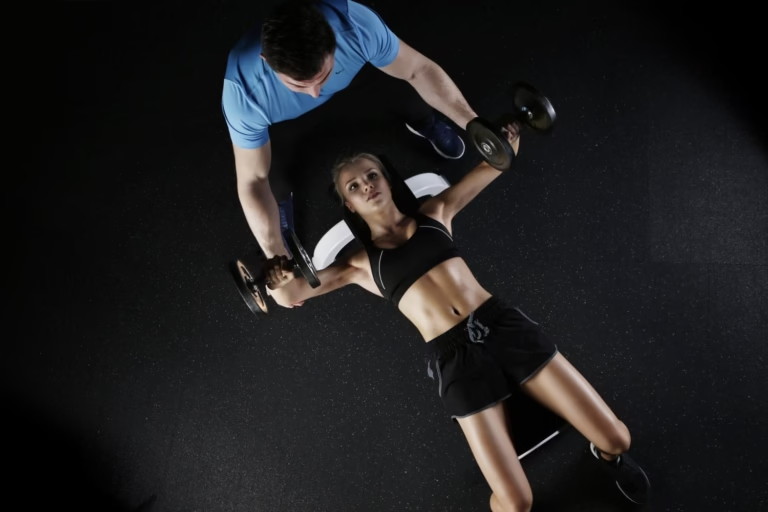
Header image: Pixabay
Categories of Weightlifting Exercises
To build a complete physique, your movements generally fall into two primary mechanical categories: compound and isolation movements.
Understanding how to balance these two approaches is the key to consistent progress.
Understanding Compound Exercises
Compound exercises are multi-joint movements that recruit several major muscle groups simultaneously. Because they allow you to lift the heaviest loads and stimulate the maximum amount of muscle tissue at once, they form the absolute bedrock of any successful strength training routine.
If you want to maximise your training efficiency and target your entire body at once, your selection should always begin with the undisputed kings of compound movement: the classic powerlifts.
The 3 Classic Power Lifts for Full Body Strength
For total body strengthening, no single exercise can compare to the classic three powerlifting movements: squat deadlift and bench press.
Together, these three compound movements engage all major muscle groups simultaneously.
Because of their physiological importance and their ability to serve as the ultimate test of pure strength, these specific movements form the foundation of competitive powerlifting events.
If you want to target a particular area, your exercise selection depends heavily on your specific goals. If you only have time to focus on a few movements, master these “Big 3” movements first.
While the power lifts work the entire body at once, each offers unique structural benefits:
The Big 3 Breakdown:
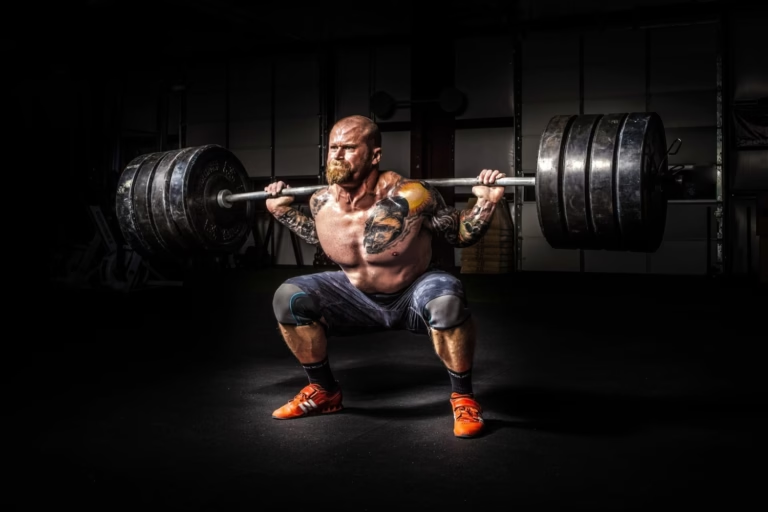
The Squat: Forces the quadriceps, glutes, and core to work in unison to move a load through a deep hip and knee hinge. Drives lower-body development, specifically targeting the quads and glutes.
The Deadlift: The ultimate test of your posterior chain, demanding intense recruitment from your hamstrings, glutes, spinal erectors and upper back. Builds exceptional back, hamstring and core torso strength.
The Bench Press: Acts as your foundational upper-body pressing movement, heavily engaging the pectorals, anterior deltoids and triceps. Serves as the ultimate builder for the chest, shoulders and triceps.
To get the most effective total-body strength training workout, combine these primary moves with a rotation of other heavy compound variations:
• Overhead shoulder press – for vertical pushing and shoulder health
• Chin-ups, pull-ups for vertical pulling and lats
• Dips for chest and tricep development
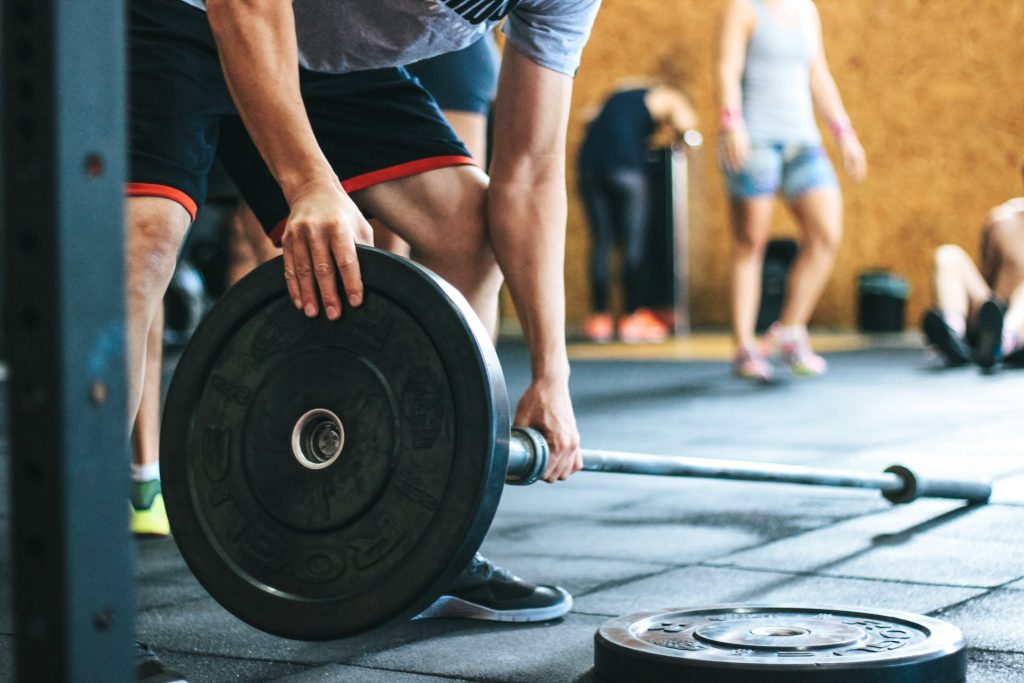
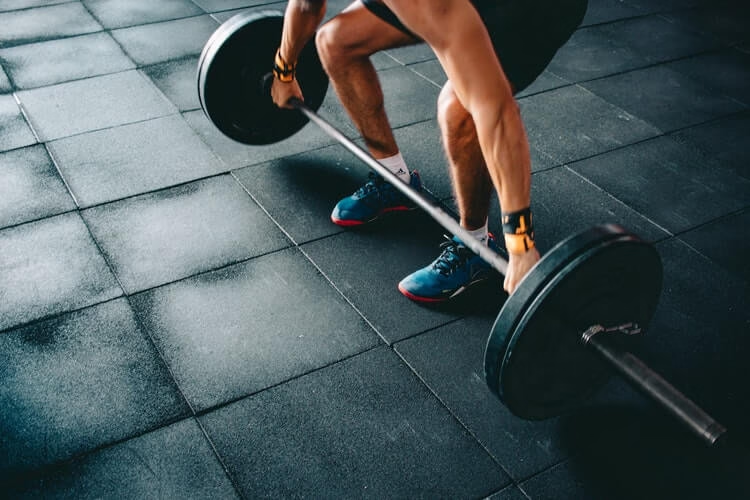
Loading plates onto a barbell. Imaged sourced via Pexels
The Supporting Role of Isolation Lifts
While compound lifts build the foundation, isolation exercises allow you to fine-tune your results. Unlike multi-joint movements, isolation exercises are non-compound movements which target a single, specific muscle group across a single joint.
Because compound movements recruit multiple muscle sets simultaneously, they remain the top choice for packing on general muscle mass. However, isolation work is the key to symmetry, injury prevention and complete muscular development.
Why Isolation Lifts Matter
Correcting Muscle Imbalances: If one side of your body or a specific muscle is weaker (like a left bicep, if you’re right-handed), isolation movements let you target it directly without stronger muscles taking over.
Targeted Hypertrophy (Muscle Growth): Compound lifts can sometimes leave smaller muscles under-stimulated. Isolation lifts allow you to bring a specific muscle to failure safely.
Joint Rehabilitation & Health: Because they use lighter weights and strictly controlled paths, these movements are ideal for strengthening tendons and recovering from injuries.
Classic Isolation Movements by Target Area
For the Arms: Bicep Curls and Tricep Overhead Extensions build arm thickness that compound pressing or pulling might miss.
For the Legs: Leg Extensions (quads) and Seated/Lying Hamstring Curls isolate the upper leg without stressing the lower back.
For the Shoulders: Lateral Raises target the side deltoids to create width and the classic “V-taper” look.
For the Core & Calves: Calf Raises and Hanging Knee Raises ensure smaller, stabilising muscle groups aren’t left behind.
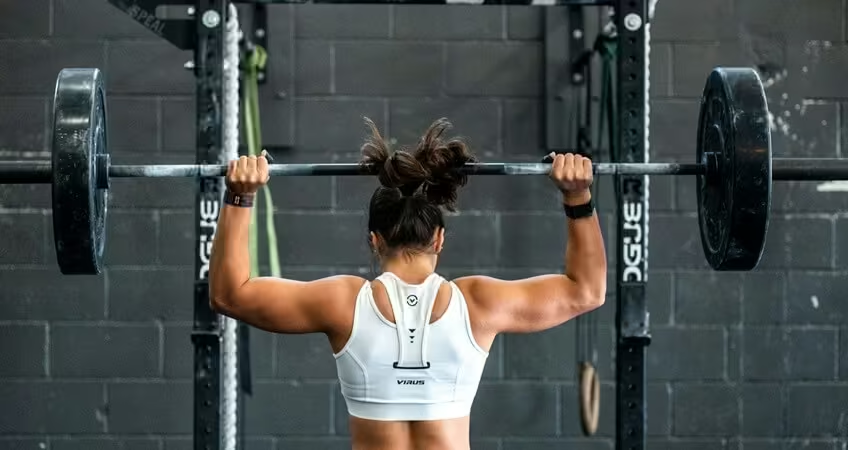
Overhead Press. Image sourced via Unsplash
Free Weights vs. Gym Machines: Which is Best?
While gym machines are perfectly fine for general use, free weights are much more effective for building raw strength and deep core stability.
Aim to build your routines around barbells, dumbbells and adjustable benches rather than relying on multi-gym equipment.
The primary reason free weights are superior is that many more stabilising muscles must work to balance and secure the load.
In contrast, weight machines lock you into a rigid, fixed track that limits your natural range of motion. Ultimately, you will not build functional, well-rounded strength as quickly if you rely solely on guided gym equipment.
How to Structure a Balanced Routine
Building strength isn’t just about collecting a list of exercises. It requires a systematic approach to formatting your sessions. For the fastest results and safest execution, your routine should be anchored around a few core training rules:
Prioritise Compounds First: Always perform your heavy compound lifts (like squats or overhead presses) at the very beginning of your workout when your central nervous system is fresh and fatigue is at its lowest.
Layer in Isolation Work Last: Save movements like bicep curls or tricep extensions for the end of your session to target weak points without draining the energy needed for your heavy lifts.
Ensure Progressive Overload: Track your training metrics diligently. To prevent your progress from plateauing, you have to continually challenge your tissues over time by adding small increments of weight, completing extra repetitions or increasing numbers of sets.
A landmark sports medicine review on resistance training volume confirms that structuring your routine around these multi-joint foundations triggers the highest levels of neuromuscular adaptation and mechanical tension, making it the fastest pathway to body recomposition.
Weightlifting is one of the most effective tools for building dense muscle, increasing bone density, and completely reshaping your physique. However, your success depends entirely on how well you structure your movements and fuel your recovery outside the gym walls.
Pick Your Progression
Next Step: Put this training style into action by mastering the ultimate mass-building movements in our Master Guide to Compound Lifts.
Barbells or machines? Unsure whether to head to the main gym floor or the weights room? Read our deep-dive guides to Free Weights and Weight Machines.
Women and Strength: Shatter the myths about “bulking up” and discover how resistance training transforms your body composition in our specialised guide to Women and Strength.
💬 Join the Weightlifting Discussion
Stepping into the weight room is an incredible journey. Share your thoughts with our community below:
- Have you recently started weightlifting? Tell us about your experiences so far.
- Experienced lifters, what is the number one tip you wish someone had given you when you first entered the weight room?
- Do you prefer training with free weights or using the control of gym machines?



Leave a Reply