Cooling Down

Cooling down is an important part of your workout. It works to bring your body temperature down, slow your heart rate, lower your blood pressure and blood flow to active muscles, and return you safely to a pre-exercise state.
Stopping an exercise session abruptly without a sufficient cooling down period can result in dizziness and puts the cardiovascular system under stress.
During intense workouts the muscles produce lactic acid, a waste product which can create muscle soreness and stiffness after the exercise session is over.
Understanding the shift that happens when you transition out of training mode completely changes how you look at post-workout recovery. This is especially the case when you’re short on time and tempted to skip your cool-down.
Before looking at useful cool-down exercises, it helps to understand exactly what’s happening to your body during the cooldown phase and why it’s important.
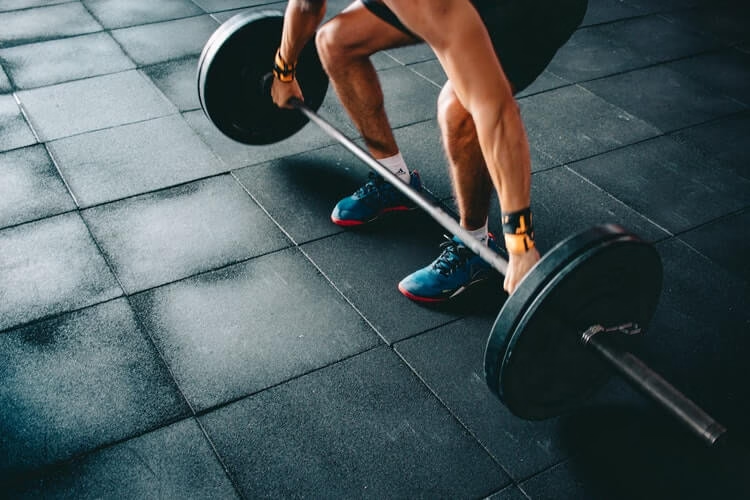
Header image: Pixabay.
Why is cooling down after exercise important?
When you finish a tough training session, your body is essentially in a high-alert, stressed state. Taking a few minutes to actively transition out of that zone helps your body shift from breaking down muscle to repairing it.
Here is exactly what a proper post-workout routine achieves:
- Prevents blood pooling: Keeping your muscles moving lightly stops blood from suddenly pooling in your lower extremities, which is the main cause of that post-workout light-headedness.
- Flushes out metabolic waste: Gradual movement keeps circulation high enough to clear out lactic acid and by-products, reducing that heavy, stiff feeling the next day.
- Calms the nervous system: It signals to your brain that the hard work is done, shifting your nervous system out of “fight or flight” mode so your body can begin the recovery process immediately.
Pulse Lowering: Tapering Down
The pulse lowering part of the cool-down should start once the main workout is over in order to slowly lower and stabilise the heart rate and blood pressure.
If cardiovascular exercise was the last part of your workout, the pulse lowering phase should start by reducing the intensity of the exercise gradually over 3 to 10 minutes, depending on the intensity of your workout.
The adequate length of time for pulse lowering depends on your exercise session. For weightlifting, you might need 3 to 5 minutes of pulse lowering. For intense cardio training, like high mileage running, you will need at least 10 minutes of tapering down, moving to a jog, then a walk, to bring the heart rate and blood pressure down gradually.
A good cooling down session works to bring down the blood pressure, heart rate and blood flow to the muscles to help your body achieve a more relaxed state.
Examples of pulse lowering activities are similar to the warm-up activities and can include walking, rowing and using the cross trainer.
Slowly reducing the intensity of the exercise brings down the heart rate gradually and helps the body re-adjust to a resting state.
Recovery Stretching: The Relax Phase
After the pulse lowering section of the cool-down, it is time for the post-workout stretches. These stretches help the muscle to release more lactic acid, maintain and develop the length of the muscles, improve flexibility and relax the body.
When you finish lifting, your muscles are warm and slightly shortened from repeated contractions. Gentle static stretching lengthens them out again, which can ease stiffness, reduce tension and improve flexibility over time.
This helps you move more freely in your next workout and lowers the risk of strains or injuries.
Post-workout stretching also boosts circulation, which delivers oxygen and nutrients to tired muscles while carrying away waste products like lactic acid.
This can reduce soreness and speed up recovery. Even just a few minutes of stretching at the end of a session can make a noticeable difference to how your body feels the next day.

Cobra Stretch. Image sourced via Pixabay
The Revitaliser: How to Beat the Post-Workout Crash
The revitaliser is the final part of your post-workout cool-down routine. The revitaliser is designed to be used immediately after your floor stretches to remove any feelings of heaviness and return you to an energised state.
Following deep post-workout stretching – which is usually done seated or lying down – your heart rate drops significantly. While this is great for calming your nervous system, it sometimes triggers post-workout lethargy, leaving you feeling overly relaxed and unmotivated for the rest of the day.
The aim of the revitaliser is to reactivate the body so you’re left feeling bright and energised. The goal is to beat that post-workout crash. By spending two to three minutes on some low-intensity active recovery cardio, you gently re-engage your muscles.
The revitaliser can be any gentle cardio activity, such as brisk walking, cycling or rowing and should last for a couple of minutes.
During this time the exerciser should focus on deep breathing to maximise oxygen circulation around the body. This simple step flushes out any remaining sluggishness, delivers fresh oxygen to the muscles, and ensures you finish your workout feeling bright and alert.

Rowing Machine. Image sourced via Pixabay.
Optimising Your Long-Term Recovery Window
Ultimately, a thorough cool-down ensures you leave the gym feeling refreshed and physically comfortable, rather than drained and stiff.
Treat the minutes following your last working set as a mandatory phase of your training schedule. This will establish a reliable foundation for consistent, injury-free progress.
Remember, true physical development doesn’t end when you finish your last lifting set, it’s also about how effectively you transition your body back into growth and repair mode.
Pick Your Progression
Fuel Your Repair: Lowering your heart rate is only the first stage of recovery. Learn how to feed your muscles for optimal repair in our comprehensive Nutrition & Fueling Guide.
Protect Your Joints: Maximise your long-term mobility and protect your tendons from overuse by reviewing our full Injury Prevention & Safety Guide.
Lengthen Your Muscles: Don’t just sit still while your heart rate drops. Transition smoothly into a deep state of relaxation using our Floor Post-Workout Stretching Guide.
💬 Share Your Ideas: How Do You Cool Down?
We want to hear about your recovery routine! Drop a comment below to share your experiences with the community:
- Own up: Do you actually complete a full cool-down every time, or are you guilty of running straight to the showers? Do you have any tips for a faster cooling routine?
- Stretching Style: Do you prefer stretching at the gym, or do you usually wait until you get home to do your static floor stretches?
- Bringing Down the Pulse: If you lift, do you prefer a walk or a stationary bike to lower your heart rate? If you run, how long do you usually walk to cool down thoroughly?
- Beating the Crash: Have you ever experienced a post-workout crash or lethargy after training? How do you shake it off?
- The Recovery Reward: What is your ultimate post-workout recovery snack or drink to pair with your cool-down?





Man! I love this website,its an inspiration to us all.
Thanks for the comment Danny – hope the page helped give some ideas. Many people forget the revitaliser part of the cool down!
the revitaliser did wonders for my back pain!!!Highly reccomend