Isolation Lifts
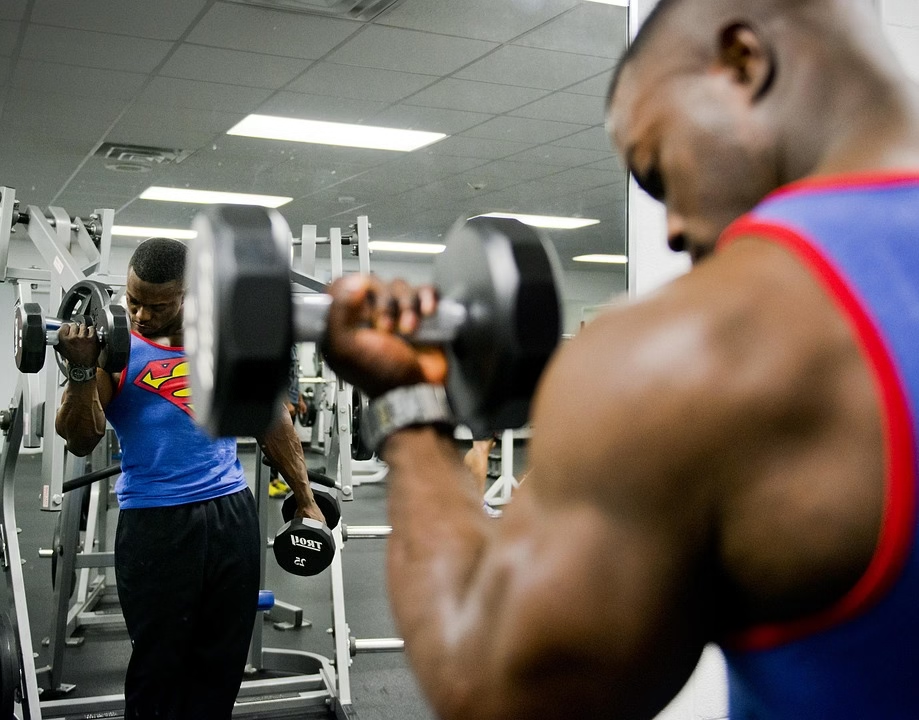
Isolation lifts are single-joint exercises that focus entirely on targeting one specific muscle group to the exclusion of others. For example, movements such as curling, extending or raising.
Unlike compound lifts, which recruit multiple joints and muscle groups simultaneously, isolation movements allow you to zero in on a single area to stimulate growth, correct imbalances or rehabilitate an injury.
Quick Exercise Index
Because they focus on isolated points of the body, these movements are not used in weightlifting or powerlifting competitions, where overall strength is tested.
However, they are the gold standard for bodybuilders and lifters looking to maximise muscle hypertrophy, balance physical symmetry and fine-tune their physique.
Header image: Pixabay
The Role of Isolation Lifts
Isolation exercises are highly effective when used strategically. In a well-structured routine, they are typically used in two primary ways:
The “Largest to Smallest” Protocol: Build your workouts around heavy compound movements first when your energy levels are highest. Use isolation lifts toward the end of a session to completely fatigue the smaller, secondary target muscles without overtaxing your central nervous system.
Targeted Weak-Point Training: An isolation lift can directly strengthen a weak link that might be holding back your progress on your main heavy lifts. For example, if a weak lower back is hampering your deadlift execution, incorporating targeted back extensions or dorsal raises can break through that strength plateau.
Aesthetics, Muscle Definition and Body Fat
While isolation lifts are excellent for building localised muscle mass and adding precise definition, they are only effective for aesthetic tuning if your body fat percentage is low enough.
Because you can’t spot-reduce fat, performing hundreds of abdominal crunches will not reveal a well-defined six-pack unless your body fat levels allow that underlying muscle tissue to show through.
If your primary goals are rapid weight loss or building raw, functional real-world strength, isolation exercises should serve as an extra supplement to a solid compound-lift foundation.
Isolation Lifts vs. Compound Lifts: Quick-Glance Comparison
To learn more about multi-joint movements and how to build a powerful foundation, explore our Guide to Compound Lifts.
Popular Isolation Lifts by Muscle Group
Isolation exercises exist to target every major and minor muscle structure across the body. They are great tools for targeting specific muscle groups, bringing up lagging body parts and maximising muscle hypertrophy.
Unlike heavy compound movements, these exercises isolate a single joint, allowing you to establish a strong mind-muscle connection and flush the target area with blood without exhausting your entire central nervous system.
Explore our groupings below to optimise your workout:
Upper Body Isolation Focus
These movements isolate individual muscle groups in your chest, shoulders and arms to sculpt symmetry and build size where you want it.
- Arms: Using movements like the Bicep Curl, Tricep Extension and Wrist Curl is the most effective way to achieve serious muscle growth and pump up your arms.
- Shoulders & Upper Back: Targeted shoulder work, including the Lateral Raise and Shrugs, isolates the individual deltoid and trap heads to widen your frame and build a balanced upper body.
- Chest: Targeted chest exercises like the Pec Dec and Dumbbell Flyes bypass the triceps entirely to place maximum, direct tension right on the pecs.
Lower-Body & Core Isolation Focus
Use these focused movements to target specific muscle groups in the legs, hips and mid-section without loading your spine.
- Legs: Using exercises like the Leg Curl, Leg Extension and Calf Raise Machine allows you to train the major muscles of your upper and lower legs to failure with complete stability.
- Hips & Glutes: Specialised gym machinery, such as the Seated Adductor and Abductor Machines or the Glute Machine, is designed to stabilise the pelvis, target the glutes and keep your hips perfectly level during your sets.
- Core: Staple exercises like Crunches, Back Extensions and Dorsal Raises target your midsection and lower back to build trunk stability, structural rotational power and core endurance.
Pick Your Progression
Master the Foundations: Remember that isolation lifts are only supplements. Master your foundational strength base first with our Guide to Compound Lifts.
Explore the Science: Want to understand the exact biological triggers that force your muscle fibres to repair and grow after an intense workout? Explore our master guide on the Science of Muscle Growth.
Reveal Definition: Want to lower your body fat percentage so your hard-earned muscle definition actually shows? Check out our Fat Loss & Body Composition Guide.
💬 Share Your Thoughts
What’s your current strategy? Drop a comment below and share how you structure your routine:
- What is your personal favourite isolation exercise to finish off a hard workout?
- Do you use isolation movements mostly for aesthetic detail or to overcome a strength plateau on a main lift?
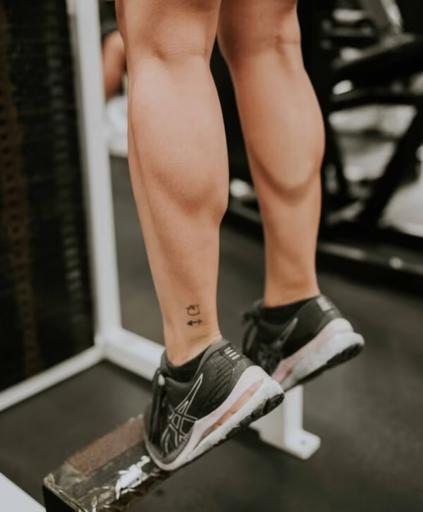
- Have you discovered any bodyweight variations like the standing calf raise or dorsal raise that work better for you than gym machines?
Leave a Reply