Floor Post-Workout Stretches
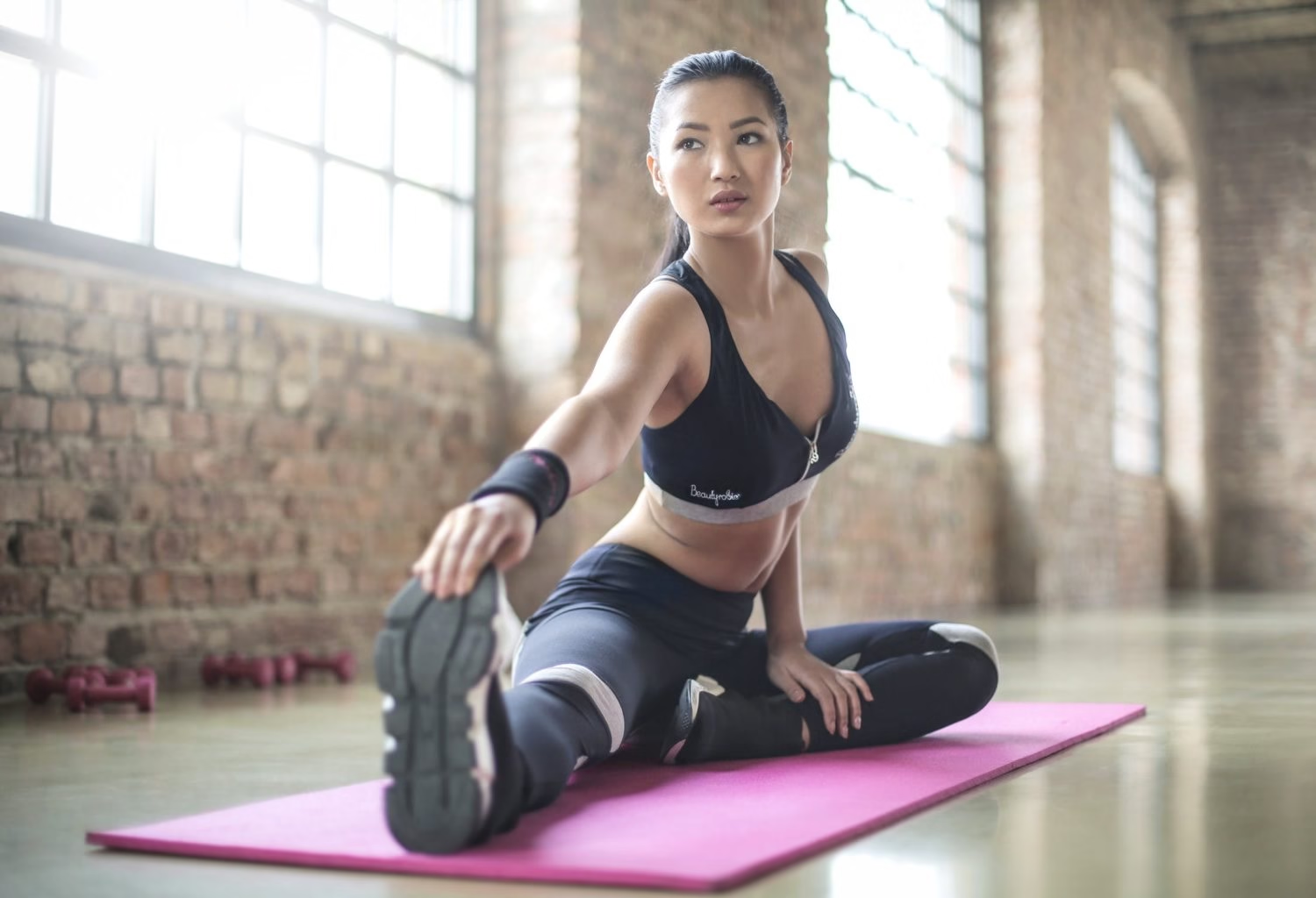
Post-workout stretches are the stretches performed after exercise to encourage recovery. These static stretches help the muscles return to their pre-workout state and cool your body down. They are also used to maintain or increase muscle flexibility and length.
Post-workout stretches are often performed seated or lying down to relax the body and help lower the body temperature back to its resting state.
These post-exercise stretches help to eliminate toxins such as lactic acid from the muscle fibres and stop your muscles feeling sore or tight as can often happen after an intense workout.
Post-workout stretches fall into two distinct categories:
- Maintenance Stretches: Used to protect your current range of movement.
- Developmental Stretches: Used to actively increase muscle length and flexibility.
The type you choose depends entirely on your fitness aims. Read on to find out how to use these strategies to finish your workout safely.
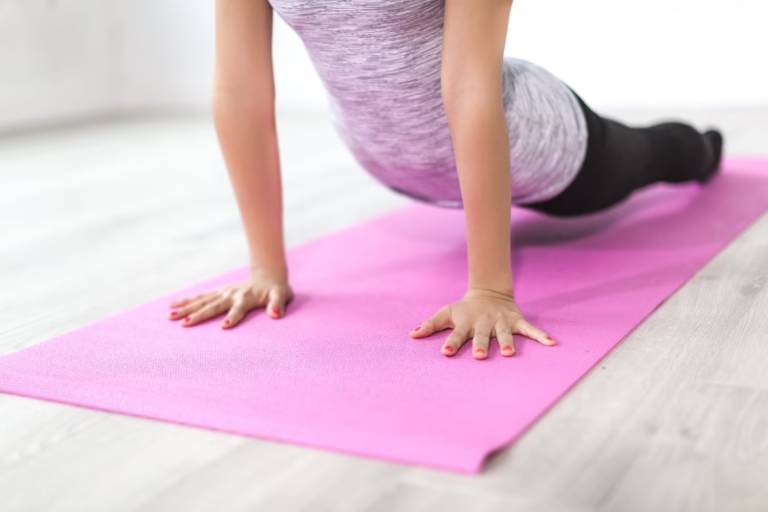
Header image: Pexels.
Maintenance vs Developmental Stretching
Post-workout recovery is the safest time to train your flexibility because your muscles are warm and pliable. Depending on your current fitness goals, you can use your post-exercise stretching session for two completely different training strategies: maintenance or development.
Maintenance stretches are for muscles that already possess good flexibility and range of movement.
These stretches are regular stretches that moderately stretch the muscles to maintain their existing length and flexibility and ensure no shortening of the muscle over time.
These stretches should be performed regularly and each stretch should be held for 15 to 20 seconds at point of mild tension. This clears muscle tightness and lactic acid, ensuring your muscles don’t feel stiff tomorrow.
Developmental stretches are for muscles which don’t currently have sufficient flexibility and range of movement.
Developmental stretches are deeper than the maintenance stretches because they aim to permanently increase the muscle length and improve flexibility.
These stretches take place in two stages. The first stage of the stretch takes the muscle to the stretch reflex, then holds this stretch in a static hold until the tension relaxes. This should be about 20 seconds.
Then the muscle is stretched gently a little further, beyond the initial stretch. Simply move a fraction deeper into the stretch. These developmental stretches should be held for up to 60 seconds in total.
This works to permanently increase the length of the muscle and its range of movement over time.
For best and safest results, make sure you complete your post-workout stretches while your muscles are still warm.
Floor Stretches for Recovery
Post-workout stretches are often done in a seated position or while lying on the floor. This is because they are useful as a way to calm the body down. Performing your post-workout routine entirely on the floor is an effective way to transition your body from exertion to rest.
Sinking down onto the mat removes the need to exert energy and concentration on balance. This grounding element means you can safely hold deep static positions, target tight lower-body muscles, and maximise your overall flexibility gains while your muscles are warm.
Static stretching at the end of a tough training session benefits both the body and the mind. If your muscles feel stiff or your mind is racing when you get into bed, your nervous system is likely still running on high alert. Holding gentle, passive positions signals to your brain that it is safe to relax.
This targeted down-regulation actively restores nervous system balance after a intense training session, allowing your body to transition out of “fight or flight” mode and into a state of deep, restorative repair. Your post-workout stretching acts as the perfect bridge to deep, muscle-building sleep.
To optimise your overnight growth and hormonal recovery, check out our complete Sleep & Rest Guide.
Post-Workout Stretches Glossary:
-

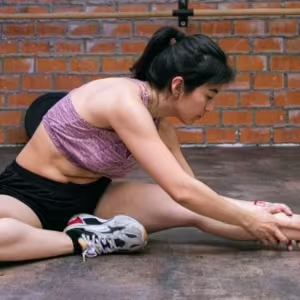
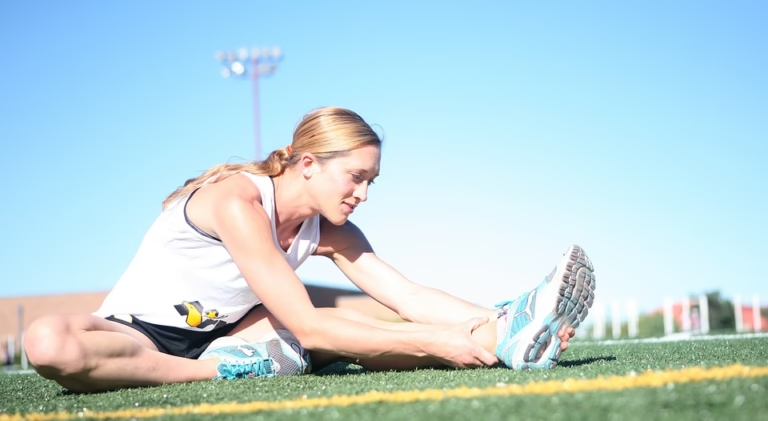
- Seated Single Leg Reach: Back Thigh (hamstring). (Image by Pexels)
-
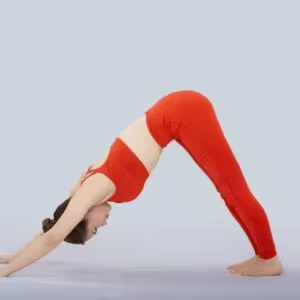
- Downward Dog Pose: Back (erector spinae), Back Thighs (hamstrings), Shoulders (deltoids) and Upper Calf (gastrocnemius). (Image by Pexels)
-
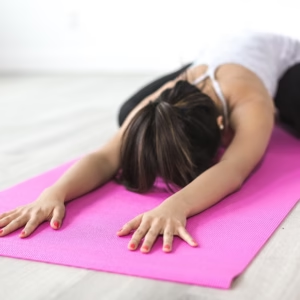
- Child Pose: Upper Back (trapezius and rhomboids), Sides of Back (latissimus dorsi), Shoulders (deltoids), Thighs (quads), Buttocks (glutes). (Image by Pexels)
-
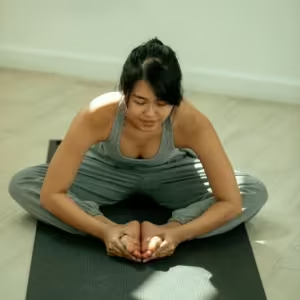
- Butterfly Fold: Inner Thigh (adductor), Groin, and Back (erector spinae) (Image by Pexels)
-
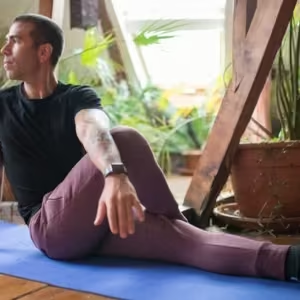
- Seated Spinal Twist: Outer Thigh (abductor), Back (erector spinae), and Buttock (glute) (Image by Pexels)
-
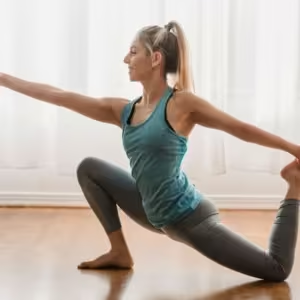
- Lizard Lunge Quad Stretch: Front Thigh (quads) and Hips (hip flexors). (Image by Pexels)
-
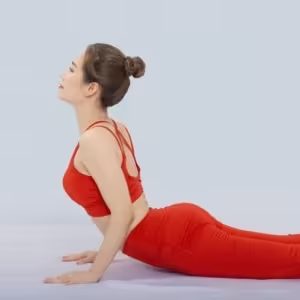
- Downward Dog Pose: Back (erector spinae), Back Thighs (hamstrings), Shoulders (deltoids) and Upper Calf (gastrocnemius). (Image by Pexels)
-
- Lying Cactus Stretch: Chest (pectorals), Front of Shoulder (anterior deltoids) and Ribcage (intercostals) (Image by Pexels)

Did You Know?
- The “Rest and Digest” Shift: Holding floor-based static stretches after a workout triggers your parasympathetic nervous system. This instantly tells your body the danger is over, lowering your heart rate and shifting your system from “fight or flight” mode into deep muscle recovery.
- Preventing Blood Pooling: When you exercise heavily, your heart pumps vast amounts of blood to your working muscles. Dropping down for a controlled cooldown routine prevents blood from pooling in your extremities, helping it return smoothly to your heart and brain to prevent post-workout dizziness.
- The Plastic Deformation Benefit: Because your muscle fibres are at their warmest right after exercise, they are highly pliable. Holding a static stretch for 20 to 30 seconds allows for permanent, safe increases in your baseline flexibility. This is almost impossible to achieve safely when the body is cold.
- Flushing Out Waste Products: Gentle static stretching combined with deep breathing helps compress and release your blood vessels. This mechanical action acts like a pump, helping your lymphatic system flush out metabolic waste products built up during exercise, which can significantly reduce next-day muscle soreness (DOMS).
Pick Your Progression
Optimise Your Sleep: Complete your post-training recovery routine by unlocking the secrets to deep sleep in our Sleep & Recovery Guide.
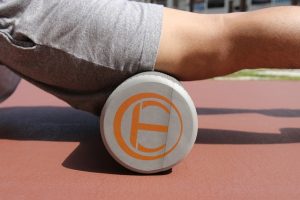
Roll Out the Soreness? Tight muscles or persistent soreness? Read our expert analysis on Foam Rolling and how it can help muscle recovery.
Prep For Your Next Set: Unsure how to safely transition from a cold state back into peak performance? Read our comprehensive breakdown of Pre-Workout Preparation Stretches.
💬 Join the Discussion: Post-Workout Recovery
We want to hear about your post-workout cooldown! Drop a comment below to share your experiences with the community:
- Your Favourites: Do you have any favourite post-workout stretches to add to this list?
- Muscle Tightness: Which area of your body usually feels the tightest after a hard training session?
- The Lying Cactus Stretch: How did your upper body feel after trying the lying cactus chest stretch? Did it help reset your posture?
- Flexibility Goals: Do you prefer to use post-workout stretching strictly for maintenance, or are you actively trying to increase your flexibility with developmental stretching?

Leave a Reply