Breaking through plateaus is a familiar challenge for anyone engaged in strength training. Fitness plateaus occur when our bodies adapt to the demands of our workouts, leading to a stagnation in progress.
Recognising and addressing these plateaus is essential for maintaining motivation and achieving long-term fitness goals. In this post, we’re exploring the reasons for strength training plateaus and some actionable strategies to overcome them. So grab your water bottle and let’s get going. Read More
Your 1 rep max is the maximum amount of weight you can lift for a single, clean repetition of a given exercise. It’s the definitive tool used to accurately measure your strength progress.
It’s also useful to know your 1 rep max for structured training programmes, allowing you to calculate your ‘training zones’ depending on the exact athletic development you want to achieve: strength, power, hypertrophy (size) or endurance.
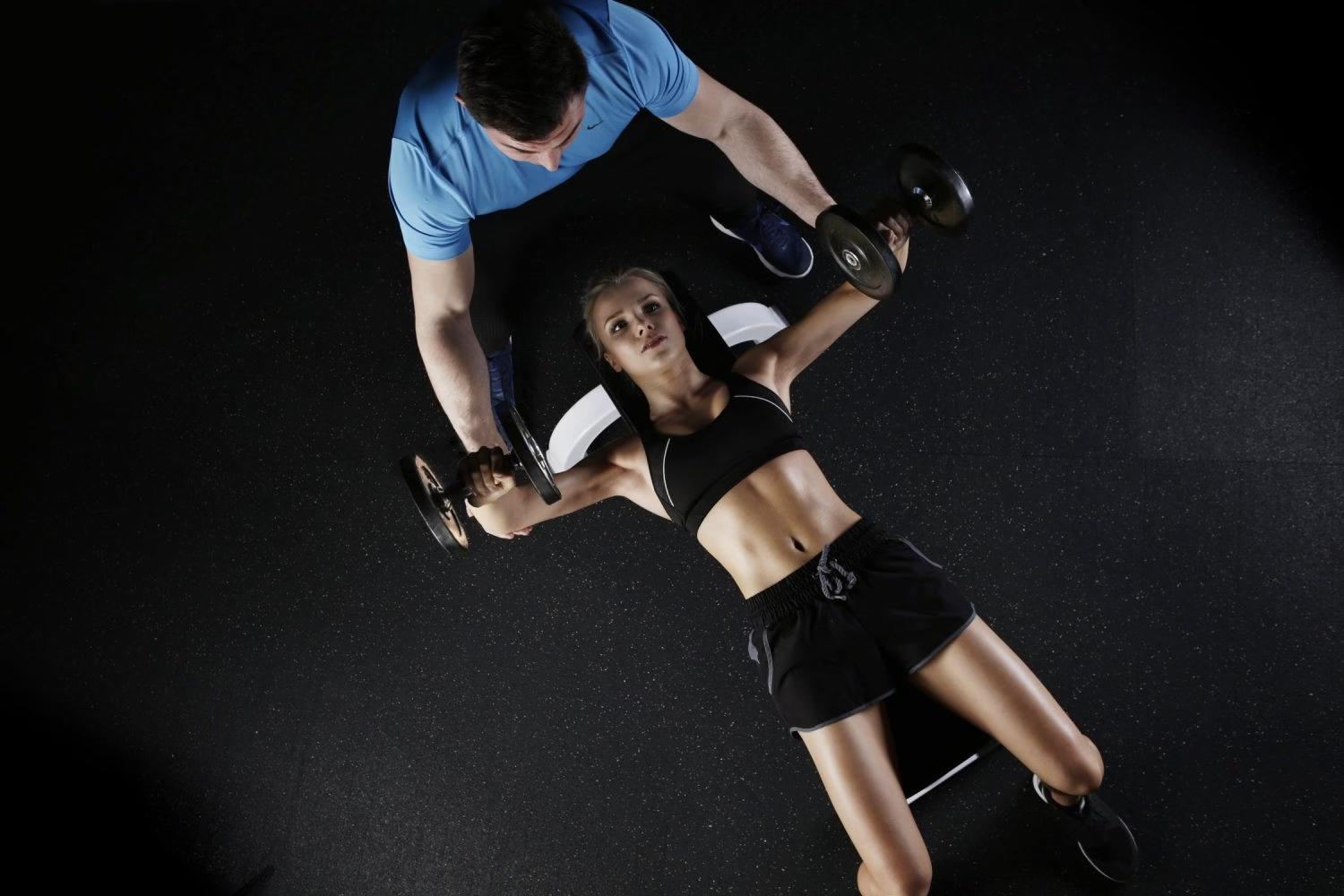
Spotting is an important part of strength training. Good technique keeps the training environment safe, allows you to lift harder and helps you progress faster.
Spotting is the practice of providing physical assistance to a lifter during
a strength training exercise. It plays a vital role in enhancing safety, boosting confidence and supporting progression.
Whether you’re lifting the weight yourself or assisting a training partner, it’s important to understand proper technique to prevent injury and maximise the effectiveness of each workout.
Read on to discover the core principles of gym safety, how to execute a lift with a partner, and how to spot others with textbook form.
Lifting Safely: The Ultimate Guide to Spotting Technique
Stepping up to a heavy barbell without a safety net is one of the fastest ways to stall your progress and risk an injury. While building raw strength requires pushing your physical limits, doing it intelligently means mastering the rules of gym safety.
Before you load up your next working set, you need to understand exactly how to use a training partner to safeguard your lifts.
What is a Spotter?
A spotter monitors and supports a lifter through a set, standing ready to guide, lift or stabilise the weight if the lifter hesitates or struggles.
Spotters are especially important in free weight exercises where there’s a risk of dropping the weight or losing control, which is something machines are designed to prevent with their built-in safety catches.
A spotter’s job is simple: protect your body and help you push your limits, stepping in only when absolutely necessary.
A skilled spotter literally has your back, ensuring you never end up pinned under a loaded barbell or compromising your form mid-set.
Spotting requires total psychological focus. Spotters must remain alert and ready to react instantly.
Why Use a Spotter?
Free weights are unbeatable for building strength because they force your body to work harder to balance and stabilise the weight. But that freedom comes with risk. Lose control of the bar, and things can get dangerous fast.
You should always use a spotter when:
• The load passes over your head or body: This includes the bench press, incline press and overhead press.
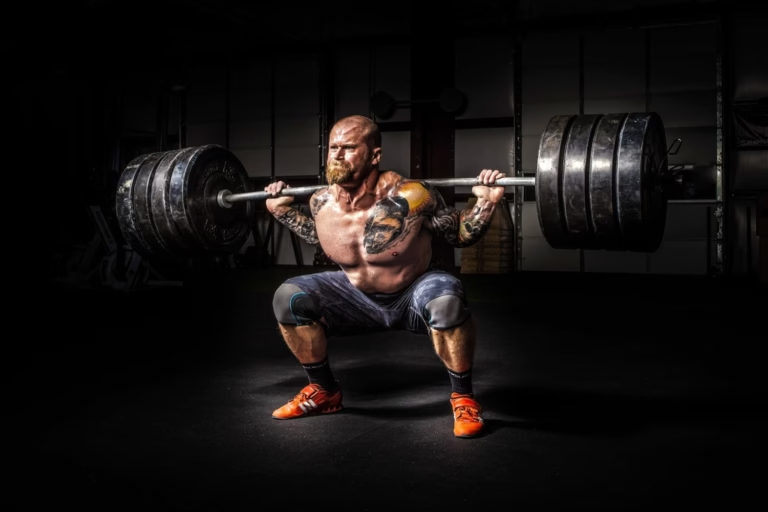
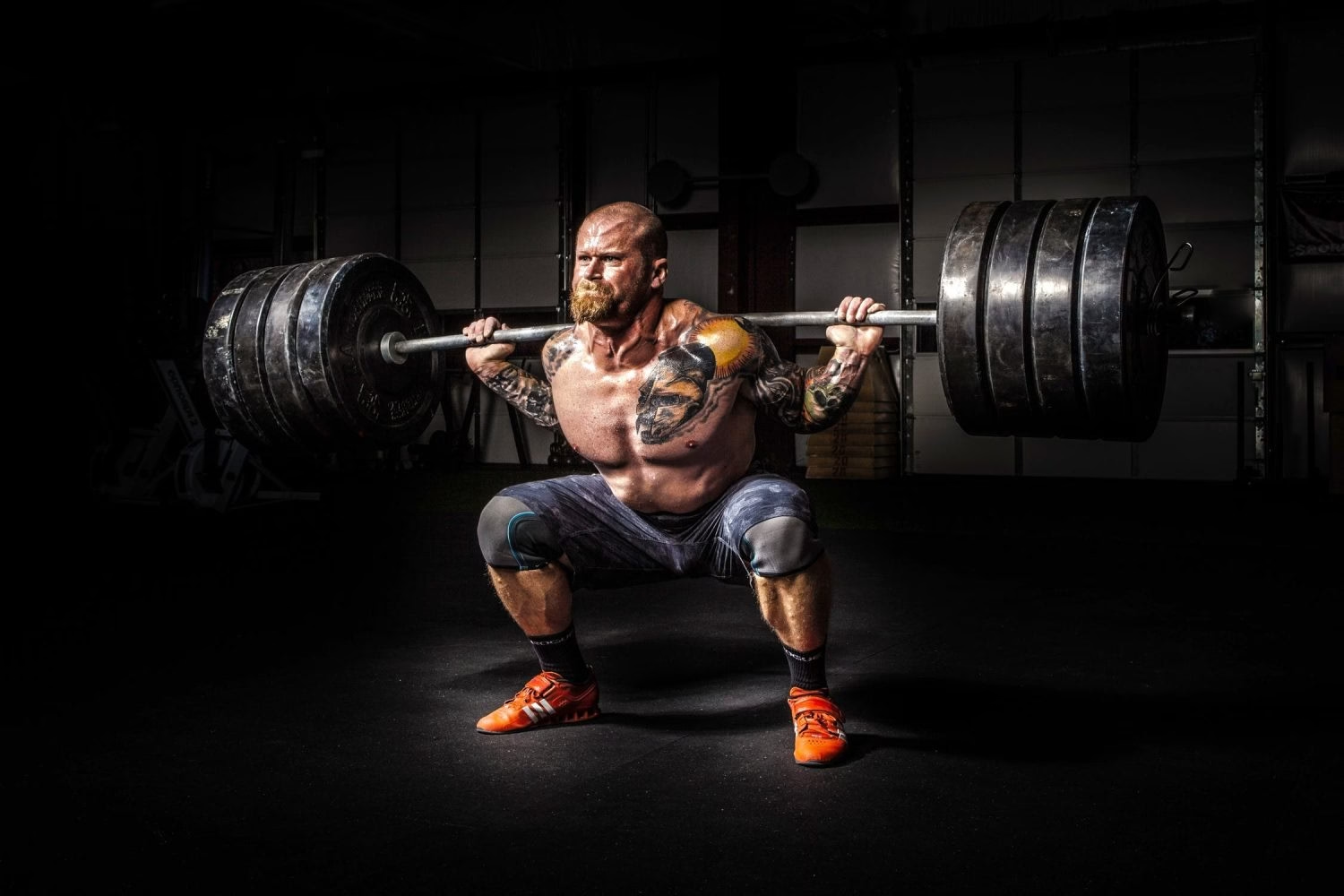
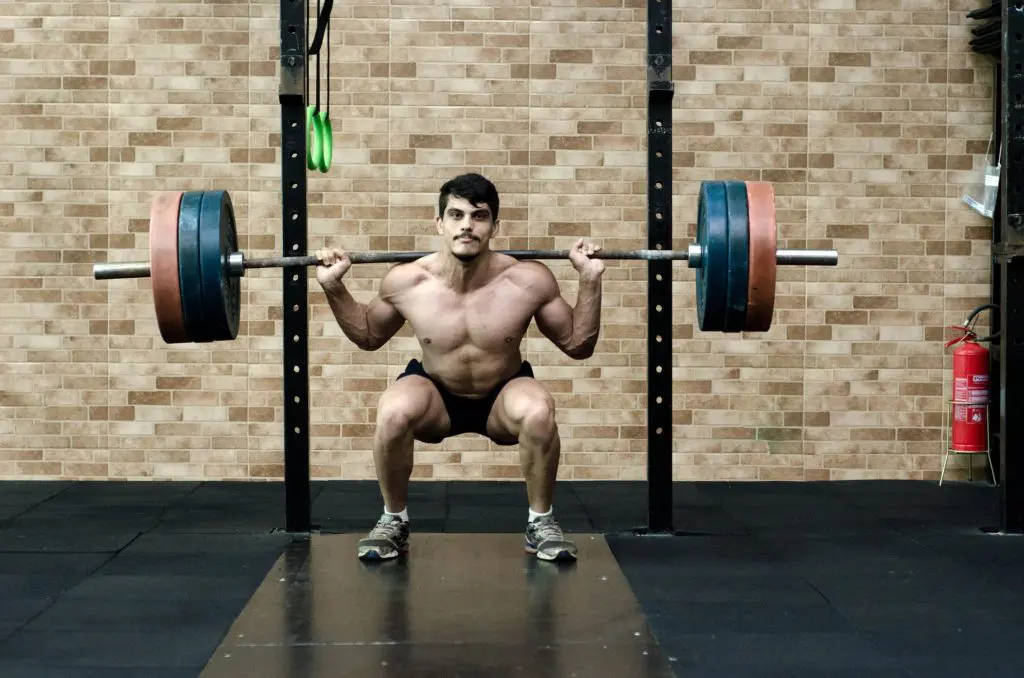
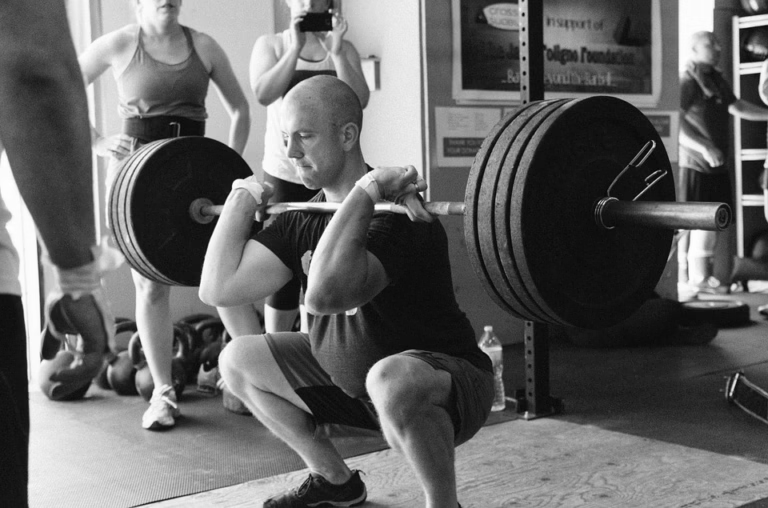
• The bar rests on your body: This includes back squats and front squats where the weight sits on your neck or shoulders.
• You push your limits: This includes testing new personal bests (PRs), executing forced reps or learning complex new movement patterns.
Whenever you’re lifting heavy you’ll usually need a spotter. And always when the weight moves over your head or body. A spotter helps you train with intensity while staying safe, which:
Prevent accidents or injuries if the lifter fails a rep.
Supports the lifter in completing forced reps for strength gains
Helps the lifter maintain proper form under fatigue.
Science Spotlight:
While using a spotter to get those last forced rep in is a popular strategy to drive muscle growth, it needs strict management.
The primary value of a spotter here is to help manage your fatigue, ensuring you can maintain your set volume without compromising spinal alignment or joint integrity.
Lifting Note:
Not every movement requires a spotter. Exercises like deadlifts or Olympic lifts (cleans and snatches) are designed to be safely dropped or ditched if you fail the rep. For these lifts, mastering the art of a safe miss is more important than having a spotter.
Spotting Technique: Barbell Bench Press
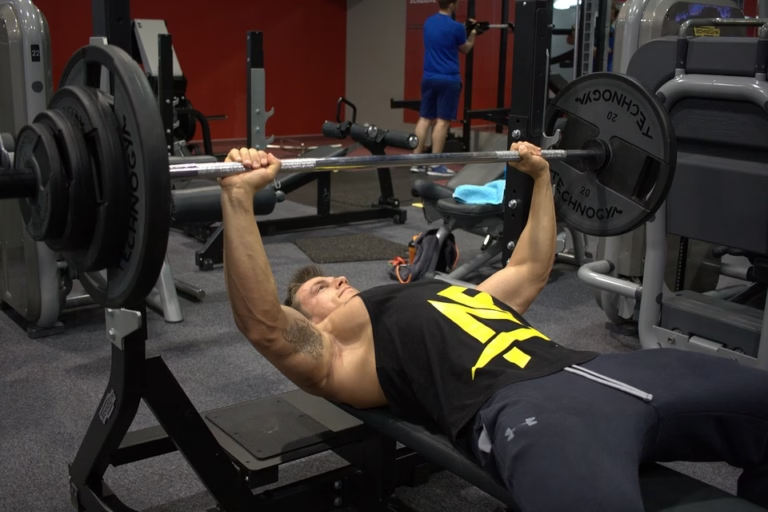
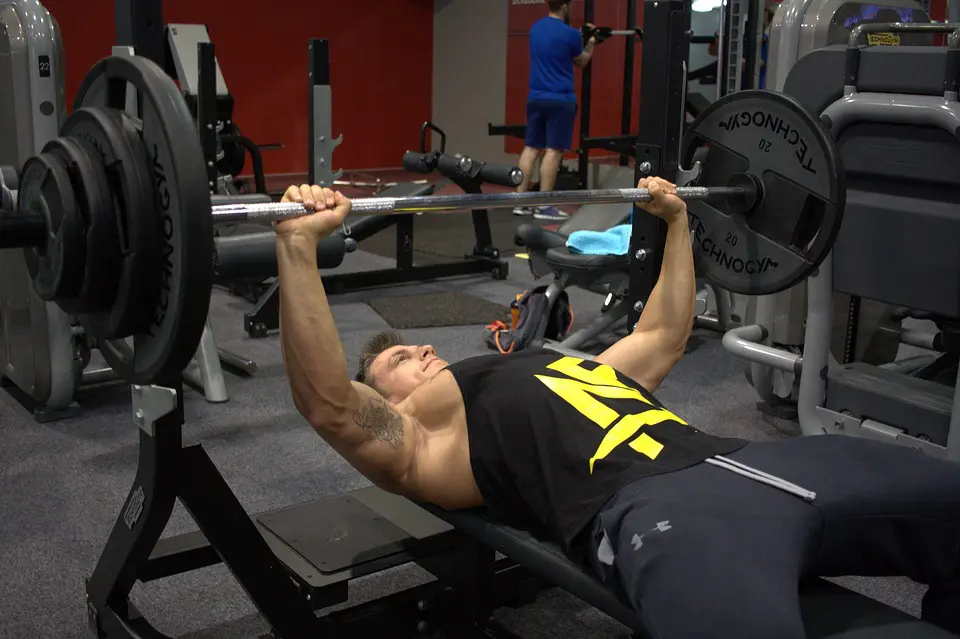
The bench press is one of the most common exercises requiring a spotter because you are locked into a flat, horizontal position directly beneath a moving barbell.
The weight passes right over highly vulnerable areas like your face, neck and chest. This means a single mistake or failed rep carries a high risk of injury.
There is a standard safety process for spotting during free-weight exercises and it must be highly disciplined when you’re under the bench.
To keep both the lifter and spotter safe, there is a multi-step communication sequence from the moment your hands touch the bar. To keep both lifter and spotter safe, follow this multi-step communication process:
Set up and positioning:
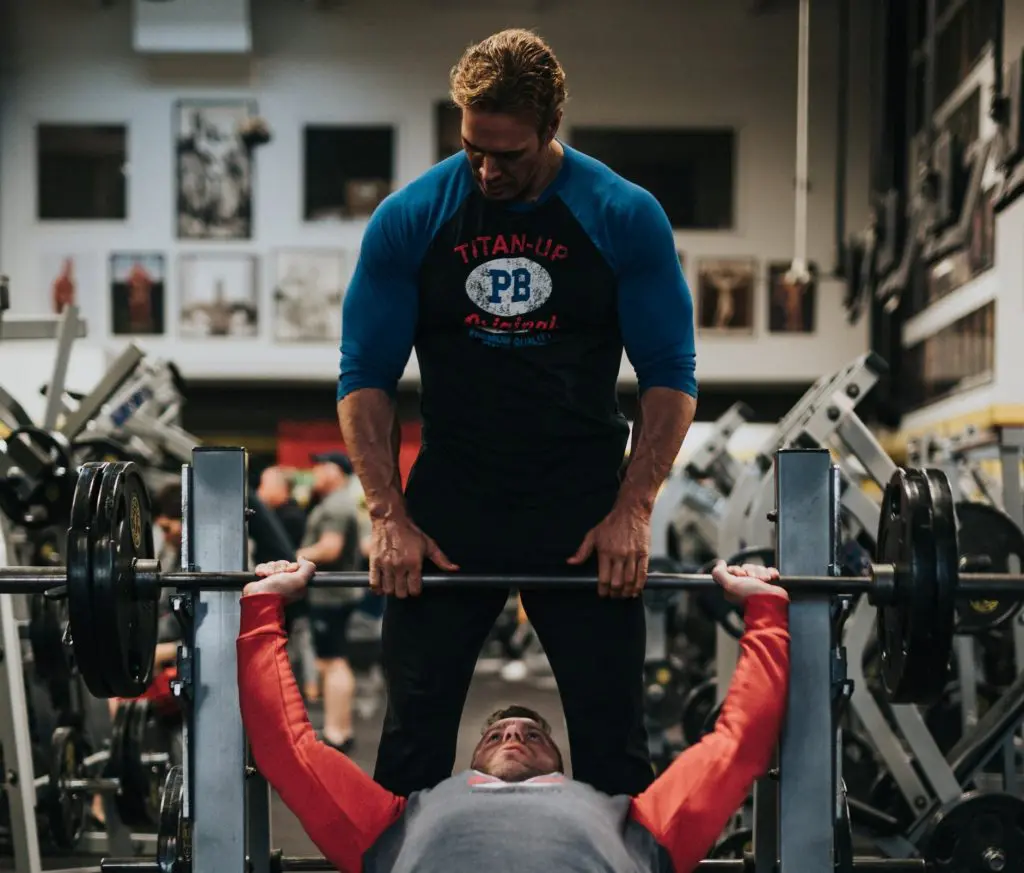
The spotter stands behind the lifter’s head and grips the bar, using a secure alternating grip (one overhand, one underhand) for maximum leverage and control.
Lift off sequence:
“Deadlift the bar”: The lifter gives the command. The spotter lifts the bar smoothly out of the rack and into the starting position, over the lifter’s chest.
“Bar in”: The lifter calls this out and takes grip on the bar. At this moment both spotter and lifter are holding the bar, confirming the weight is stable.
“My bar”: Once the lifter has a good grip and is ready to take the bar alone, the lifter call this final command. The spotter releases the bar fully into the lifter’s grip, with their eyes on the bar the whole time, keeping their hands tracking inches below it.
During the set:
The spotter keeps close, watching intently, making sure not to disrupt the lifter’s view of the bar. The spotter doesn’t touch the bar unless it slows or stalls, or the lifter calls for help.
Re-racking sequence:
“Spotter in”: After the set is completed, the lifter calls the spotter back in to help with the weight.
“Bar out”: With lifter and spotter both holding the barbell, both guide the bar carefully back over the head of the lifter, towards the rack.
“My bar”: Once the barbell is clear and settled back in the hooks, the spotter calls this final confirmation and the lifter releases the bar.
Spotting the Bench Press. Image sourced via Unsplash
Pro Tips for Spotting
• Stay focused: Never look away, get distracted, check your phone or talk to someone else mid-set. A failed rep happens in a fraction of a second. • Agree on a plan: Establish the target rep count, the lift-off cues and exactly how much help the lifter wants before the lift begins. Communication before the lift starts manages expectations from both sides.
• Brace your own body: Maintain a strong stance with your core engaged, especially on heavy lifts, so you’re ready to step in.
• Don’t steal the rep: Only step in when it’s really needed. Let the lifter fight through the sticking point. A good spot is a safety net, not a training partner doing the rows for you.
Other Big Lifts Requiring a Spotter
While the bench press is the most notoriously dangerous lift to perform unassisted, any exercise that places a heavy free-weight load over your body or resting across your shoulders requires a reliable safety net.
As your lifting intensity climbs near your upper limits, managing balance and stabilisation becomes incredibly challenging.
Incorporating standard spotting protocols for your other primary compound movements is an essential step to safeguarding your long-term progress.
Back Squat
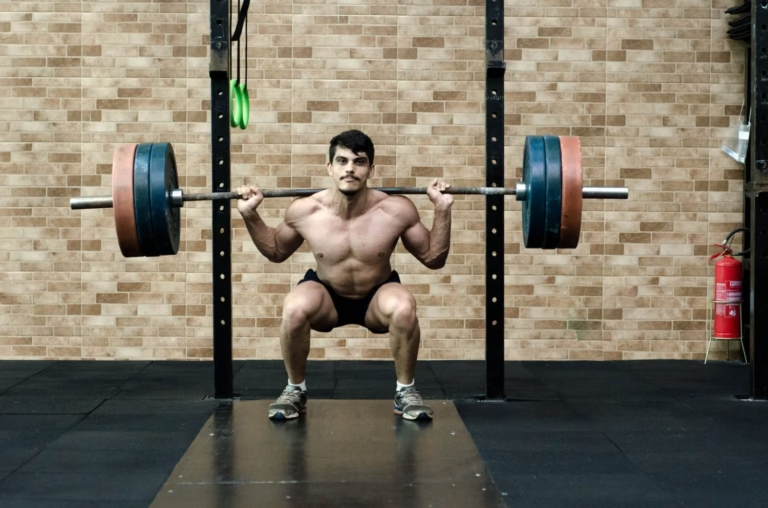
For heavy squats, two spotters are ideal. One spotter stands on each end of the barbell, hands tracking under the plates, both ready to lift upwards if the lifter needs help.
Overhead Press
The spotter stands close behind the lifter, hands ready just underneath the bar path, ready to catch the weight cleanly if control is lost overhead.
A great spotter is your final line of defense, but building a resilient body starts long before you step up to the rack. Check out our comprehensive guide on weight lifting injury prevention and safety to protect your joints and keep your training consistent.
Pick Your Progression
Take The Lead: Ready to step up to the bench press or squat rack safely? Learn how to handle barbells and dumbbells with confidence in our comprehensive Free Weights Guide.
Prime the System: Heading over to the heavy lifting zones? Discover how to activate your nervous system and prepare your muscles in our Warming Up Guide.
Recharge the System: Pushing your training partners to failure requires serious physical demand. Discover why prioritising deep sleep and downtime is critical for long-term progress in our Sleep & Recovery Guide.
💬 Over to You!
Spotting isn’t just for show. It’s a critical skill that keeps you pushing safely to your absolute limit, which is exactly where the strength gains happen. Now, we want to hear about your experiences in the gym:
Do you have a go-to communication system or specific lift-off cues when training with a partner?
What are your ultimate gym pet peeves when it comes to getting a bad spot from a stranger?
What is your personal rule of thumb when a stranger asks you to spot their personal best (PR) attempt out of nowhere?
Do you practice an alternative spotting technique that we didn’t break down here?
When training without a partner, do you rely on safety arms and pins, or do you scale back your intensity to avoid failing completely?
Powerlifting is a competitive strength sport built around three core disciplines: the squat, the deadlift and the bench press.
Powerlifting is a definitive test of limit strength. Each competitor gets three attempts per movement to register their maximum load. The heaviest successful attempt from each lift is added together to calculate their competition total.
At the end of the meet, the competitor who achieves the highest overall total across all three disciplines wins the competition.
Powerlifting strips it back to the bare essentials: raw force, flawless technique and iron will.
The sport boasts a massive following across the UK, US, Eastern Europe, the Baltics and Russia. But wherever you train, the challenge is the same: moving maximum loads under strict rules.
In a formal powerlifting contest, the lifts are performed in a specific order to test different muscular abilities as fatigue builds.
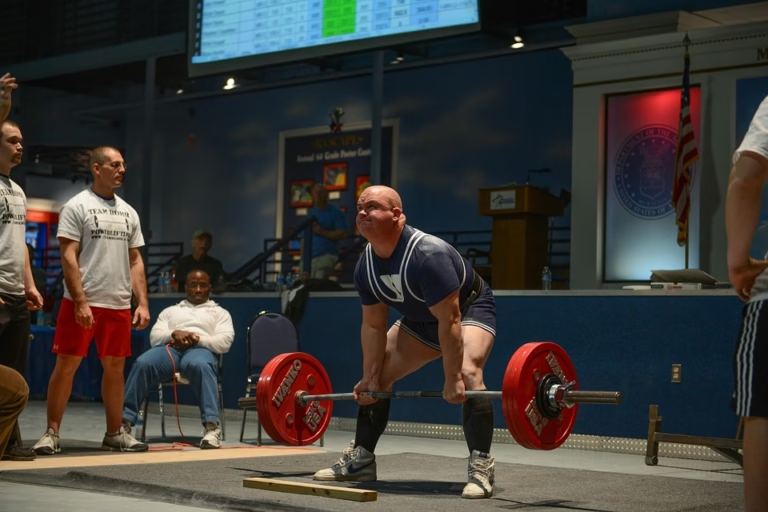
To ensure the competitors’ safety, between two and five qualified spotters must be in attendance for every attempt. Every movement is governed by its own strict rules, leaving zero room for error if you want to get the thumbs up from all three judges.
In a powerlifting contest, the lifts are performed in this order:
Read on to find out more about the rules for each lift in the powerlifting meet.
1. The Squat: The King of Lifts
The squat is first up. The objective is to un-rack the barbell and drop into a deep knee bend until the crease of your hips is below parallel to your knees, then power back up to a standing position without stumbling or losing control.
Key Rules:
No double bouncing at the bottom of the lift.
Only one upward recovery attempt is allowed.
No stepping backward or forward mid-lift, as this would count as a stumble.
Elbows and upper arms must stay clear of your legs.
At the bottom of the lift, the top surface of the legs at the hip should be lower than the knees.
Wait for the ref’s “squat” command to start, and the command “rack” before re-racking.
Referees’ Commands:
Wait for the head referee to call “Squat” before beginning the squat, and wait for the “Rack” command after returning to a full lockout before placing the bar back in the J-cups.
The bench press serves as the second lift of the meet, acting as the ultimate test of upper-body strength. Keep your torso tightly packed against the pad, your feet completely flat on the platform and your bar path stable and precise. No bouncing the bar and no premature presses.
Key Rules:
Feet must stay in contact with the floor or platform. Lifting heels or sliding feet is an immediate failure.
Grip width is a maximum of 81 cm between forefingers (this will be clearly marked on the barbell)
Bouncing the bar off your ribcage or allowing it to sink into your chest after the stop is strictly prohibited.
Wait for the “press” command before driving the bar up, and the command “rack” to re-rack
Referee’s Commands:
Once the bar is lowered to your chest and comes to a complete, motionless stop, you must wait for the referee to shout “Press” before driving the bar upward. Once locked out, you must wait for the “Rack” command to finish the set.
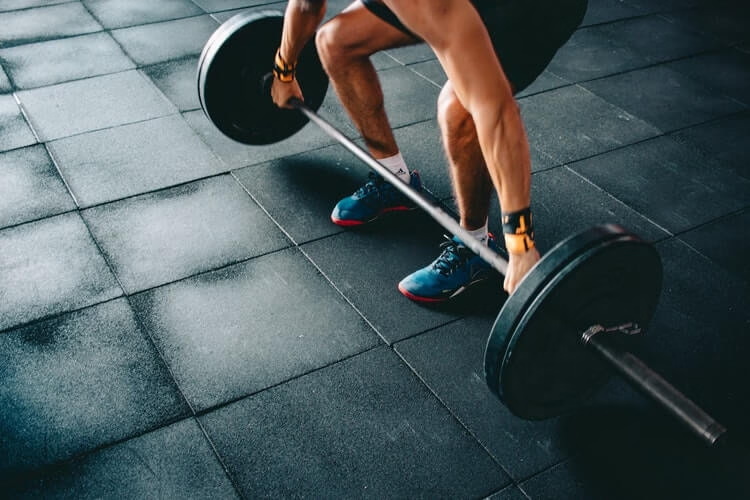
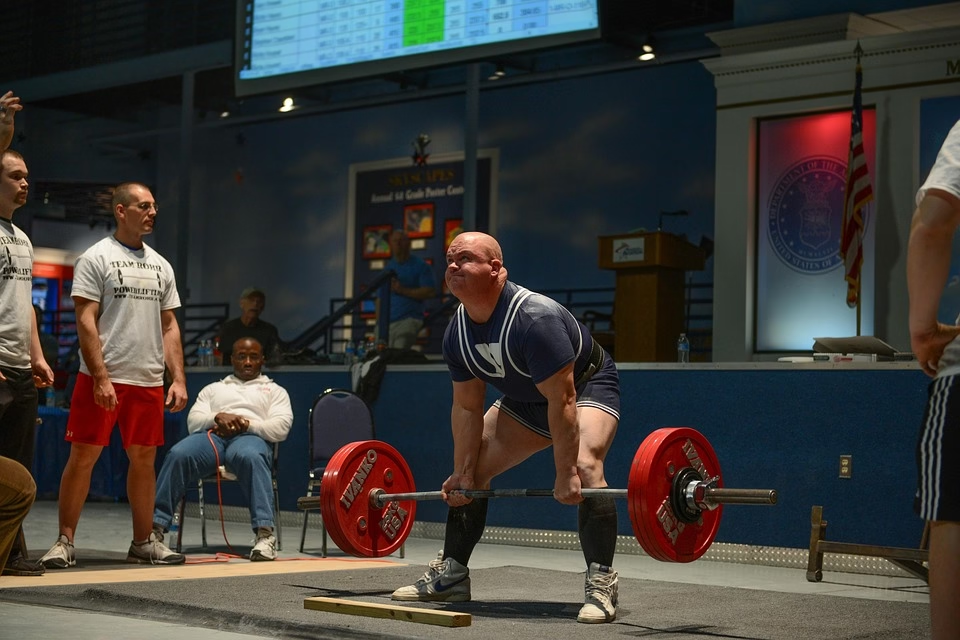
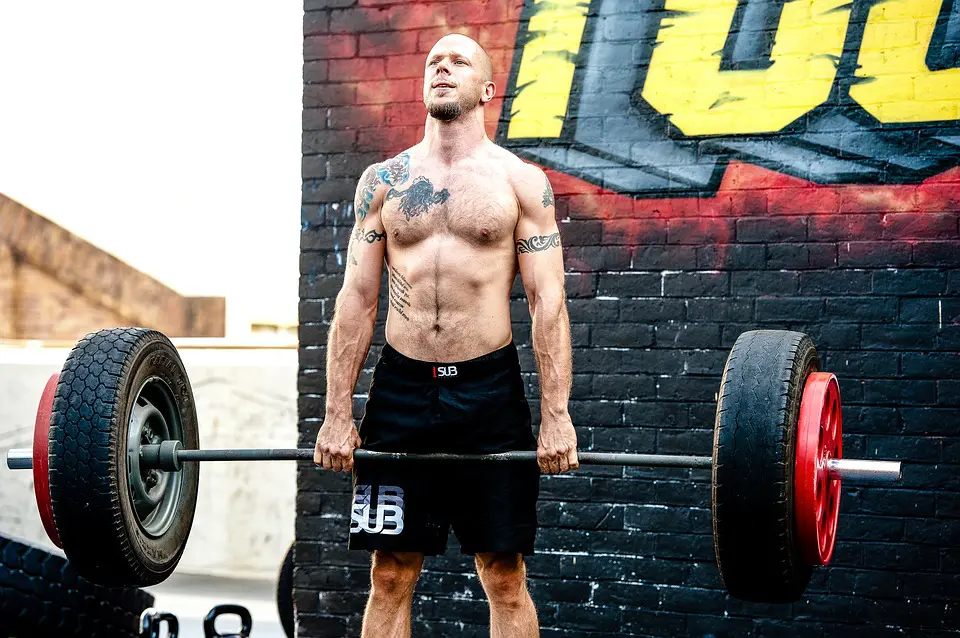
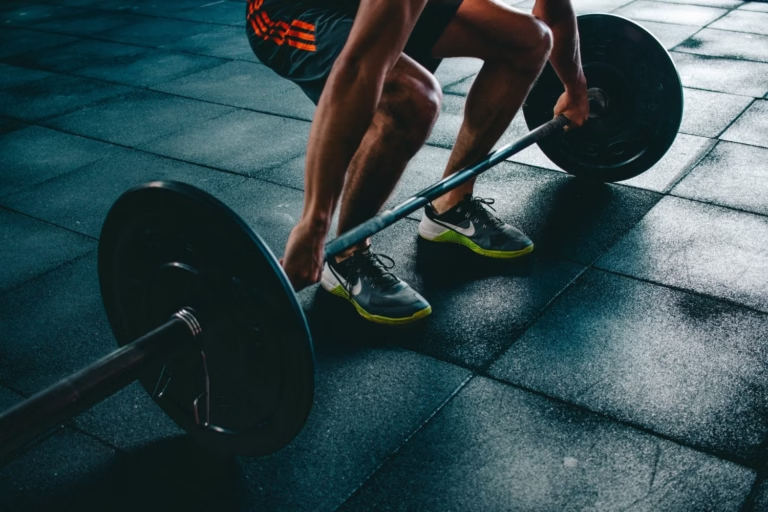
The deadlift is the last lift of the meet and is often the point where competitions are won or lost. It’s a test of total-body pulling power. Get the bar from floor to lockoutin one smooth pull with no hitching and no bouncing.
Key Rules:
At the top of the lift, you must lock out your knees and hips, keeping your body still and standing tall with shoulder pulled back.
No supporting the bar on your thighs at any point. This is a technical failure known as “hitching”.
No stepping or stumbling during the lift.
Wait for the “down” command before lowering.
You must hold on to the bar with both handsuntil it’s fully back on the floor. Dropping or letting go of the barbell early will disqualify the attempt.
Referees’ Commands:
There is no starting command for the deadlift. You approach the platform and pull whenever you’re ready. However, at the top of the lift, you must stand perfectly still until the referee gives the “Down” command.
Not every powerlifting meet requires athletes to complete all three lifts. Many regional and national powerlifting federations run specialised “Push-Pull” events, which exclude the squat and focus exclusively on the bench press and deadlift.
You will also find single-lift competitions that allow lifters to test their limits solely on the bench press.
Occasionally, federations will incorporate the strict bicep curl into a meet format as a classic throwback to old-school lifting events. When included, the strict curl is formally performed against a wall before the squat begins.
Strict Curl:In a standard bicep curl, it’s easy to accidentally “cheat” the weight upward by swinging your hips, arching your lower back or shifting your shoulders forward to gain momentum. In the strict curl, the lifter stands completely flat against a wall, which entirely eliminates momentum. This makes it a test of pure, unassisted arm strength, which is why some powerlifting federations include it as an official, judged lift.
Approaching the Platform: Competition Tips
Stepping onto a competitive platform is a great way to test your physical limits and measure strength progression. If you’re preparing for a powerlifting meet, preparation is everything:
Memorise the rules: Get familiar with the specific technical rules of yourchosen federation, as minor mistakes like racking too early or missing a verbal command can ruin a perfect lift.
Practise with commands early: Integrate the referee’s commands and expected pauses into your training routine. Also wear your proper kit well in advance.
Respect your opening attempts: Your first attempt for the squat, bench and deadlift should be a manageable load that you can confidently execute on any day of the week, ensuring you securely get on the scoreboard and build early confidence.
Manage your mindset: Don’t let platform nerves dictate your performance. Stick to your pre-calculated weight jumps, focus on one attempt at a time and remember your biggest opponent is your own personal best.
Whether you’re lifting as a hobbyist or chasing a championship trophy, training under federation rules builds power, form, knowledge and confidence that carries over into all other areas of your training.
Pick Your Progression
Perfect Your Press: Ready to build a massive, stable chest press and protect your shoulders? Master the exact setup, leg drive, and bar path secrets inside our Bench Press Guide.
Test Your Limits: Wondering exactly how strong you really are without risking injury? Learn how to safely calculate or lift your absolute peak weight with our 1-Rep Max Calculator & Guide
Secure Your Grip: Are your hands giving out before your target muscles actually fatigue? Discover when and how to deploy heavy-duty support in our Weightlifting Straps Breakdown.
💬 Join the Platform Discussion
Whether you’re training for competition or pushing for a personal best, mastering the rules of powerlifting changes your approach. Share your views and experiences in the comments:
Do you actively compete in organised powerlifting meets, or do you train strictly to shatter your own personal records?
What is your favourite lift out of the “Big Three”?
Which command do you find the hardest to master in training?
What is the single best piece of technical advice you’ve ever received for improving your bench, deadlift or squat form?
The answer to the question “why lift weights?” is simple: strength training benefits everyone. It drastically improves your health, fitness and physical capability, which positively impacts every single area of your life.
The advantages of weightlifting extend far beyond aesthetics. It enhances physical resilience, increases functional movement capabilities and drastically boosts mental well-being.
No matter your age or current fitness level, consistently lifting weights will make a real impact on your body, your confidence and your daily routine.
It’s not just about bodybuilding or bulking up. It’s about becoming more resilient, both physically and mentally. Once you commit to a routine, the results will speak for themselves. Whether you’re looking to enhance athletic performance, improve mobility or simply feel stronger in day-to-day activities, these advantages are universal.
As you gain strength, you also enhance bone density, improve your posture and develop better balance – all of which are important factors for long-term health.
Plus, lifting weights regularly significantly increases your metabolic rate, helping you maintain a healthy weight while improving muscle tone and physical endurance.
There are so many benefits of weightlifting that once you start, you will never look back!
Ultimately, weightlifting is a complete game-changer in how you look, feel and perform. When you commit to a routine, you will quickly notice distinct physical shifts:
Your body will look significantly leaner and firmer.
Your clothes will fit better and drape more comfortably.
Your day-to-day health markerswill improve.
Everyday physical tasks will become much easier to complete.
Let’s take a closer look at the exact mechanisms behind these changes:
More Lean Muscle: Weightlifting is key to building lean muscle, which not only transforms your physique but boosts your metabolism, helping you burn more calories at rest. As muscle mass increases, your body naturally becomes more sculpted and defined.
Better Body Composition: Strength training reduces body fat while increasing muscle mass. This creates a more toned, athletic body composition without having to follow extreme diets or cardio routines.
Improved Daily Function: Strength training enhances functional fitness, making everyday activities like lifting shopping bags or climbing stairs easier and safer. This practical benefit is one that’s often overlooked but is one of the most significant and rewarding.
Better Sports Performance: Regardless of the sport you play, lifting weights can improve your performance. Whether it’s increasing explosive power for sprinting, improving stability for gymnastics or developing endurance for swimming, weight training enhances athleticism by strengthening the muscles you use most.
From training for bodybuilding aesthetics, powerlifting competition, functional strength, weight loss, or simply long-term health, your own goals will determine your training routine, so that you achieve the results you want.
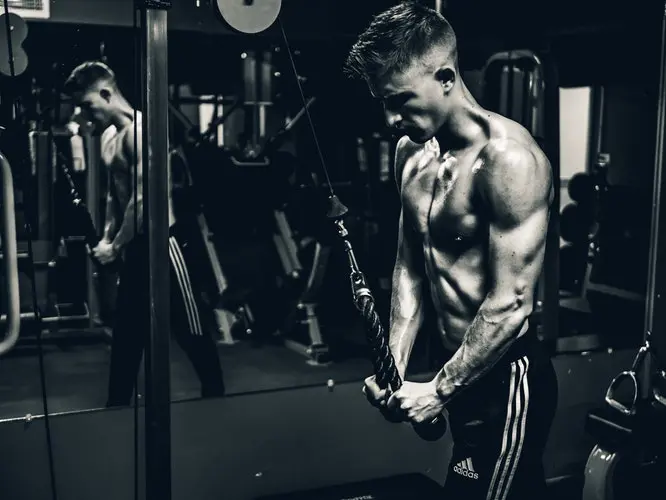
Cable Triceps Extension. Image sourced via Unsplash
Weightlifting as Antidote to Ageing
As we age, the human body naturally begins to lose muscle mass over time. This is a medical process known as sarcopenia.
This decline leads to a higher body fat percentage and a slower metabolic rate, often contributing to a less toned appearance and reduced mobility.
Weightlifting is the ultimate antidote. A well-structured training routine helps you actively preserve andrebuild critical muscle mass as you get older.
In fact, by incorporating consistent strength work into your fitness plan, clinical reviews archived by the National Institutes of Health show you can slow age-related muscle loss by as much as 40%. This preservation is crucial for maintaining posture, independent movement and a leaner body as the decades pass.
Weightlifting is also proven to increase bone density, significantly reducing the risk of osteoporosis and fractures.
Another common issue as metabolic rates slow down with age is the development of stubborn abdominal fat. Weightlifting directly counteracts this by promoting systemic fat loss while strengthening your deep core muscles, leading to a flatter, more supportive and toned torso.
This protective effect is a massive reason why resistance training belongs in everyone’s routine, especially as we get older.
Medical and Mental Health Benefits of Lifting
The health benefits of weightlifting extend far beyond muscle tone. Regular training acts as a powerful preventative medicine, influencing several areas of well-being:
Reduced Stress: Heavy exercise helps regulate cortisol levels, the body’s primary stress hormone. As documented by experts at Harvard Health Publishing, this biochemical regulation results in better stress management and a calmer mind.
Improved Mood: Weightlifting boosts the production of endorphins, the body’s natural “feel-good” chemicals. Regular lifting helps alleviate symptoms of depression and anxiety, leaving you feeling more positive and resilient.
Heathy Heart Function: Strength training lowers resting blood pressure, improves cholesterol levels and promotes healthy circulation. Clinical data published by the American Heart Association confirms these factors reduce the overall risk of cardiovascular disease.
Lowered Disease Risks: Medical research indicates that consistent weightlifting can help lower the risk of chronic illnesses, including certain types of cancer, by actively boosting immune function and reducing inflammation throughout the body.
Stronger Bones: Lifting weights is one of the best ways to increase bone density and prevent osteoporosis, which is especially important for older women. The mechanical stress that lifting puts on your bones encourages the production of bone-forming cells.
Increased Longevity: Numerous studies have shown that maintaining muscle mass contributes to a longer, healthier lifespan by improving metabolic function, reducing inflammation and keeping chronic diseases at bay.
Achieve Your Health Goals Through Resistance Training
There are countless individual reasons why people step up to a barbell. Whether you are chasing a sculpted physique, advanced athletic performance or improved long-term health markers, weightlifting is one of the most efficient and effective ways to achieve your goals.
Pick Your Progression
Master the Basics: Ready to move from theory to execution? Discover the foundational movements every lifter needs in our comprehensive compound lifts guide.
Protect Your Body: Lifting is incredibly rewarding, but joint longevity requires smart habits. Learn the absolute rules of workout safety in our dedicated hub for long-term injury prevention.
Defy the Clock: You are never too old to build a robust skeleton, preserve muscle mass and secure your independence. Find targeted tips for healthy ageing in our senior strength guide.
💬 Share Your Thoughts on Strength Training
Whether you’re a seasoned lifter or just starting out, we want to hear your story. Drop a comment below:
Do you lift weights primarily for muscle building, fat loss or just to feel stronger in your everyday life?
What is your favourite lifting exercise or training style?
What has been the single biggest change in your physical health or mental well-being since you started lifting?
How have your personal gym goals evolved since the very first day you picked up a weight?
For those completely new to strength training, what is your best piece of advice for getting started?
Whether you’re lifting weights to increase strength, size or endurance, using the right load is critical to achieving your goals. If your working sets are miscalculated, you risk hitting a plateau or sustaining an injury. So, how do you spot the signs you are lifting too heavy in your day-to-day workouts?
Lifting with an excessive load is a common mistake in weight training, especially for beginners. To make consistent progress, you need to learn how to choose the right gym weight for your specific experience level and performance targets.
To provide the best experiences, we use technologies like cookies to store and/or access device information. Cookies are also used for ad personalisation. Consenting to these technologies will allow us to process data such as browsing behaviour or unique IDs on this site. Not consenting or withdrawing consent, may adversely affect certain features and functions. Google's Privacy & Terms.
Functional
Always active
The technical storage or access is strictly necessary for the legitimate purpose of enabling the use of a specific service explicitly requested by the subscriber or user, or for the sole purpose of carrying out the transmission of a communication over an electronic communications network.
Preferences
The technical storage or access is necessary for the legitimate purpose of storing preferences that are not requested by the subscriber or user.
Statistics
The technical storage or access that is used exclusively for statistical purposes.The technical storage or access that is used exclusively for anonymous statistical purposes. Without a subpoena, voluntary compliance on the part of your Internet Service Provider, or additional records from a third party, information stored or retrieved for this purpose alone cannot usually be used to identify you.
Marketing
The technical storage or access is required to create user profiles to send advertising, or to track the user on a website or across several websites for similar marketing purposes.